


 Share
Share

Pickles have always been a must-have condiment in Indian cuisine. But in recent times, many store-bought pickles look sceptically flawless, i.e, bright, very glossy, and the same taste of every batch. In the same light of events, the recent crackdown in Rajasthan by the FSSAI (Food Safety and Standards Authority of India) has brought this concern into focus. Over 1,600 kg of adulterated pickles, along with ghee and jaggery, were seized after being reported unfit for consumption. In the video shared by FSSAI on social media, it can be seen that barrels of pickles are being dumped to prevent their resale, as part of a nationwide food safety concern.
The incident has raised many uncomfortable questions, like when did perfect-looking pickles become normal? From aam to nimbu, achaar is deeply linked to Indian food culture, which is made with mustard oil, a blend of spices, and most importantly, time and patience. As in modern times, store-bought pickles have taken over the shelves in the kitchen, and knowing what to check before buying has become essential.
Why Store-Bought Pickles Appear Too Perfect?
Store-bought pickles often appear to be too flawless. It is because factories prepare them to sell first, and ferment artificially rather than allowing the natural process to do its work. Artificial colours are added to reach that bright red or green colour consumers often link with “freshness.” Using excess oil makes the coating glossy, whereas stabilisers prevent the spices from settling at the bottom or separating. The addition of preservatives slows its ageing, so the pickle looks the same even if stored for months, unlike homemade ones that darken with time. Uniform cutting machines ensure identical shapes, making it look visually attractive on shelves.
What To Check While Buying Pickles From Store?
Here are five points that you should consider without fail while buying pickles from a store:
The Colour Shouldn’t Be Too Loud
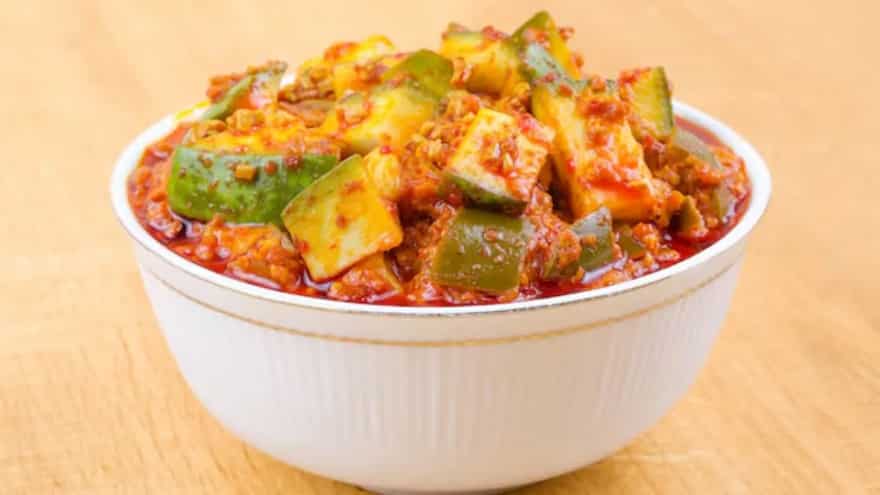
If a pickle looks too red or unnaturally bright, put that jar back. Homemade pickles deepen their colour over time and don’t glow. Artificial colours are often used to make these jars shine bright on the shelves. As a buyer, go for uneven shades and a bit dull tones, as they offer real spices and natural ageing. A pickle that appears to be too fresh, even after months in a jar, may not have fermented on its own.
(Image credit: Freepik)
Read The Ingredient List
The ingredients in a good pickle should read like something you would cook with at home, like oil, salt, spices, raw fruit or vegetables. If you read chemical-sounding preservatives, synthetic colours, or undefined terms such as “edible oil blend,” rethink before taking to the billing counter. The longer the list of ingredients, the more the probability that it is not fermented naturally. As a consumer, you’re not being selective, but just practical.
Check The Oil
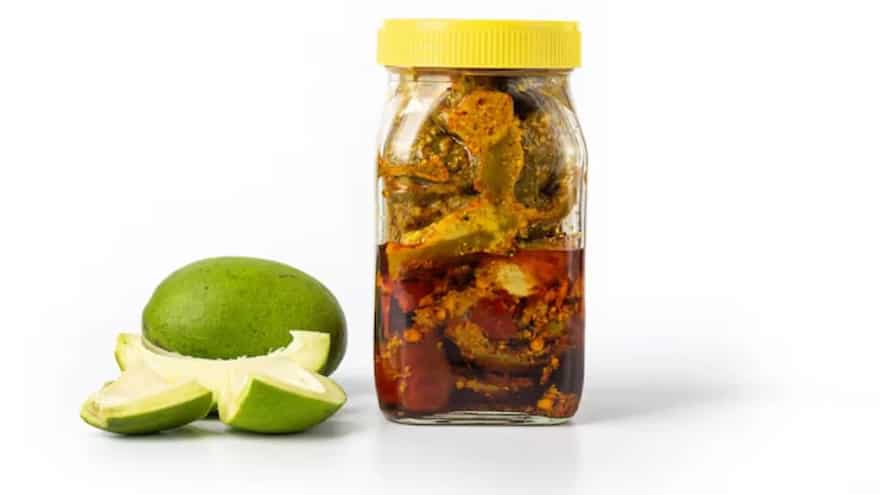
Oil in pickles works as a natural preservative, but too much oil floating is a big red flag. Some manufacturers soak pickles in oil to hide age or for uneven fermentation. To check, tilt the jar a bit; if oil flows to the top immediately, it is likely to be overdone. At home, oil settles slowly and sticks to spices. A perfectly balanced layer of oil suggests the pickle has had enough time to rest and is not rushed.
(Image credit: Freepik)
Smell Tells The Truth Before Taste
If possible, get pickles from stores where you can smell them before buying. A sharp chemical hit or oddly sweet fragrance can be a warning sign. Real pickles smell layered, spicy, sour, warm, and sometimes pungent. As a buyer, trust your senses more than just the label.
Packaging And Certification Matters
Always look for proper sealing and FSSAI certification. Loose lids, leaked oil, or sticky jars exhibit poor handling. Apart from this, also check for manufacturing dates; pickles need time, but that doesn't mean they have to be ancient. If the doubt persists, take small batches from trusted brands or the local sellers that are often safer than the mass-produced ones.

(Image credit: Freepik)




