WHO along with FAO celebrates World Food Safety Day every year on the 7th of June to let everyone know how important it is to be cautious of what you eat, where you eat and what you also cook. It is a day when people all throughout the globe remember how important it is to keep food safe from toxins and viruses. Since 2018, the Food and Agriculture Organisation (FAO) and the World Health Organisation (WHO) have observed World Food Safety Day annually to emphasise the significance of safe food. Here’s everything you need to know about it.
Image Credit: Unsplash
What’s The Theme For World Food Safety Day 2026?
This year’s World Food Safety Day 2026 theme, “From burden to solutions - safe food everywhere" demonstrates how data on sickness, its impact and lost lives can direct action toward targeted and cost-effective solutions. This theme comes at a time when food, which is supposed to nourish and protect, has become a cause of concern and fear, especially when it comes to providing for children and elders in the house as well.
Also Read: 6 Food Safety Issues In India Right Now
Celebrating World Food Safety Day provides an excellent opportunity to emphasise the importance of food safety and encourage actions to prevent foodborne diseases. In 2026, the emphasis will be on how data can enhance food safety policies and priorities while also focusing on understanding and mitigating the worldwide effect of foodborne diseases. As part of this work, WHO will publish the 2026 edition of the Foodborne Disease Burden Estimates on the same day.
Image Credit: Unsplash
What The 2026 Theme Means For Global Food Safety & Health
The first edition of the Foodborne Disease Burden Estimates was published in 2015 and was the outcome of a multi-year worldwide investigation and included the first comprehensive estimates of incidence, death and disability-adjusted life years (DALYs) for 31 foodborne risks. The 2026 study will examine the same 31 risks and broaden the research to include new dangers, as well as four heavy metals such as arsenic, cadmium, lead and methylmercury to provide a fuller and more current picture of the burden.
As per the FAO website, this campaign will not only raise attention to where the burden of foodborne disease is highest, particularly at the national level, but it will also highlight evidence that works. It will highlight how coordinated, science-based action may lower risks, improve public health outcomes and give practical models that can be adapted to diverse situations and instruments by displaying data on effective interventions and successful national experiences.
Image Credit: Unsplash
The FAO and the WHO have produced a “Get Started Toolkit” to help you organise your World Food Safety Day activity and share it. The toolkit leads you through the subject and offers suggestions for how to celebrate as well as essential messaging and connections to a variety of communications materials to assist event organisers in promoting the day.
Dietary food practices are essential for maintaining overall health and well-being and World Food Safety Day 2026 is a great way to remind oneself about that. Good dietary practices reduce the risk of chronic illnesses like diabetes, obesity, and heart disease, while also supporting mental health and longevity. And if you’re wondering how to add a few food safety practises into your daily eating and cooking habits, here are a few easy ones to start with this World Food Safety Day 2026:
Always Purchase Fresh
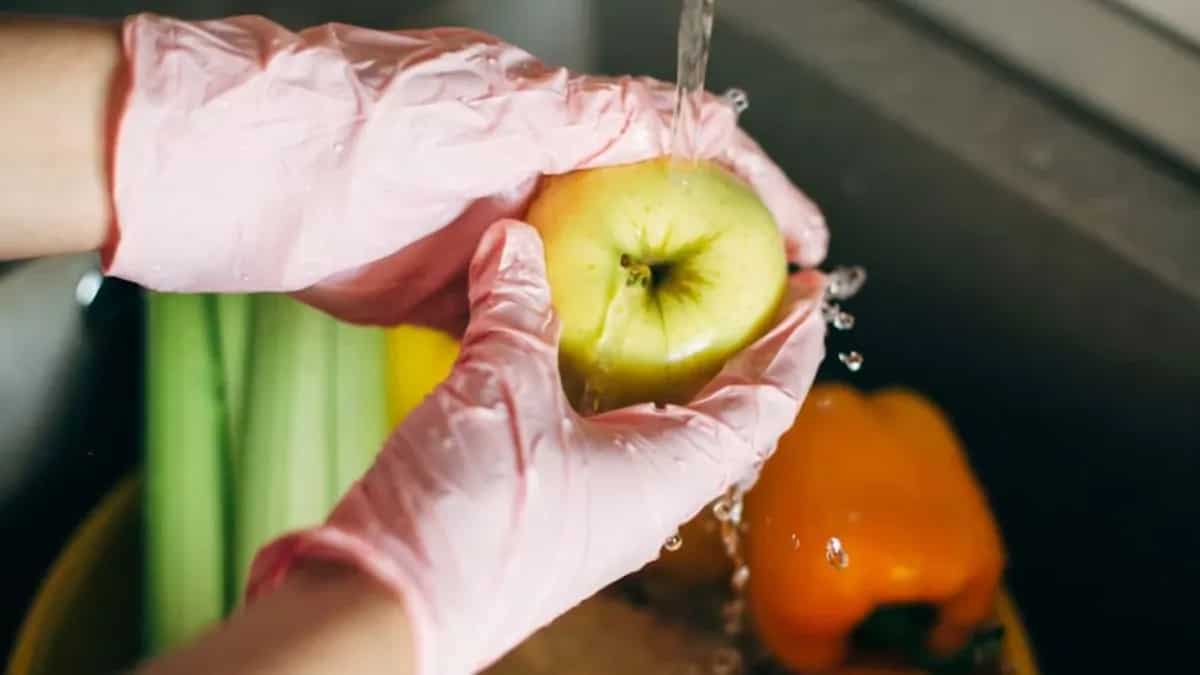
Buy fresh food 2-3 times each week, either online or at a local store. Wash the fresh vegetables thoroughly with water before soaking briefly in a tub of water containing vinegar and then wipe dry and store. If you have access to trustworthy local farmers, support them and purchase your fresh produce from them.
Image Credit: Unsplash
Buy From Local Supermarkets
For dry foods and spices, go to your local trusted store and get reputable branded ones for use. The other option is visiting many communities that have spice stores that have been in business for decades; talk to them to learn more about their source. You’ll understand the spices and fry foods are fresh and how they are made and packed infront of you.
Consume Home-Cooked Meals More
Cook your meals at home with simple ingredients and spices because the shorter your ingredient list is, like a capsule wardrobe, the easier it is to maintain quality control. Don't be concerned about repeating simple dishes and dinners such as eggs, paneer, and mixed vegetable curries. If you can't cook yourself due to time or skill constraints, make sure to supervise your chef and thoroughly instruct them on cleanliness, food safety, and cooking practices.