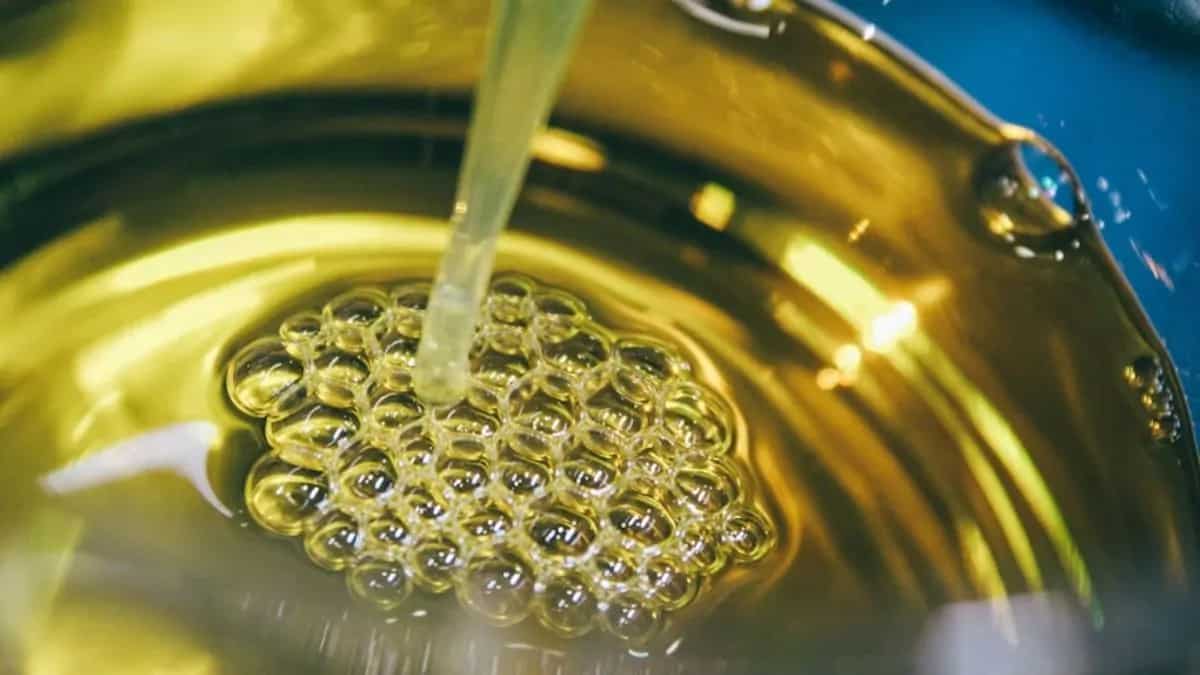
When we talk about food safety, there are a lot of concerns that come up and you want to find ways to combat those challenges. One very important food safety check is to make sure that the food you eat is not cooked in rancid oil. What does that mean, you might wonder? Basically, rancid oils are a quiet, overlooked risk compared to more obvious food hazards like bacteria or contamination, but the long-term damage to health can be just as significant. On World Food Safety Day 2026, by being vigilant about packaging, brand reputation, appearance, smell, and taste, as well as utilising easy home tests, you can ensure that the oil you use is pure and safe for consumption.
Image Credit: Unsplash
Check The Packaging
The first step in identifying fake cooking oil is to check the packaging and all you need to do is look for tamper-proof seals and secure caps. Broken seals or loose caps can indicate that the oil has been tampered with since authentic oils from reputable manufacturers are carefully packaged to prevent contamination.
Take Time In Choosing The Right Oil
Opt for reputable brands with established quality standards since these brands prioritise quality control and are less likely to sell adulterated products. Trusted brands often have certifications and quality marks on their packaging which can give you additional assurance about the product’s authenticity. Investing in a well-known brand can significantly reduce the risk of buying rancid oil.
Image Credit: Unsplash
The Power Of Sight
Visual inspection is another effective way to identify genuine cooking oil that you will use to cook your food in your home; pure oil should be clear and have a consistent colour typical of its type. For instance, olive oil should have a rich golden-green hue, while sunflower oil should be a pale yellow. Cloudiness, sediment or unusual colours can be red flags indicating impurities or adulteration. If the oil appears murky or has visible particles, it is best to avoid using it.
Smokes Up Too Soon
If your oil begins to smoke before it reaches frying temperature, typically about 350°F to 375°F / 175°C to 190°C, it has most certainly achieved its smoke point far sooner than necessary. This occurs when the oil's molecular structure degrades due to past usage. This produces free fatty acids, making the oil unstable.
Using Power Of Smell
Authentic cooking oil will have a neutral or pleasant odour. Different oils have their own distinct aromas; for example, olive oil should smell fruity and fresh, while coconut oil should have a mild, sweet scent. A rancid or off odour is a significant red flag. If the oil smells unpleasant or different from its typical scent, it is likely adulterated or spoiled and should not be used
Image Credit: Pexels
The Freezing & Paper Method
Refrigerate a small amount of oil in a spoon for 30 minutes. Pure oil should solidify uniformly, while mixed or adulterated oils might separate into layers. This test helps identify impurities that have different freezing points. Put a drop of oil on a white paper towel and let it dry. Pure oil will leave an even translucent spot without a greasy ring. If the oil leaves a distinct greasy border or multiple rings, it may be mixed with other substances.