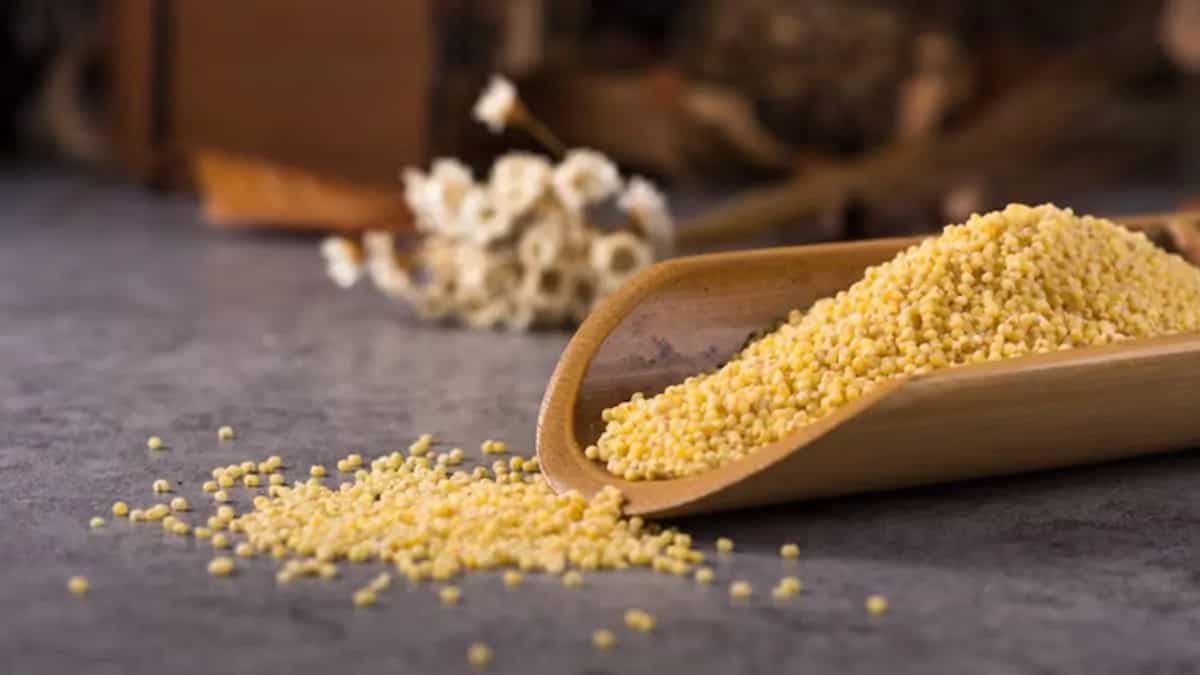
Foxtail millet, also commonly known as kangni or thinai, is making a comeback into everyday kitchens, especially as more people are seeking options to refined grains. It is not just about the nutritional profile of the foxtail millet, but how naturally it can fit into Indian-style breakfasts, which feel warm, filling, and easy to adapt.
Unlike other polished rice or the maida-based dishes, foxtail millet gives them a slightly nutty flavour and a soft, fluffy texture when it is cooked accurately. It does not feel heavy at all, and keeps you full for longer. The reason is that it works perfectly well in the first meal of the day. Over the passing years, research-backed interest in millets has increased, particularly after India pushed for traditional grains and the global limelight during the International Year of Millets.
Why Foxtail Millet Deserves A Spot In Your Breakfast Plate
Foxtail millet is filled with dietary fibre, plant-based protein, and minerals such as iron and magnesium, which help in digestion and overall metabolic fitness. Research shows that millet-based foods have a lower glycaemic effect compared to refined grains, which helps in managing blood sugar levels.
Additionally, studies also highlight that foxtail millet has antioxidants such as catechins and quercetin, which support heart health and reduce inflammation. It's also releasing slow-digesting carbohydrates, which release energy slowly, keeping you fuller for a longer time. Foxtail millet does not demand a complete change in how you cook, but it simply adjusts to what you already have in your daily food. With small modifications, it turns everyday breakfasts into something that feels both familiar and more balanced.
Foxtail Millet Upma
This is the most effortless switch if you like to have suji upma for breakfast. Cooked foxtail millet changes into soft but separate, almost like a fluffy version of daliya. Simply season it with some mustard seeds, curry leaves, green chillies, and chopped vegetables of your choice, and it soaks up flavours beautifully. The taste of foxtail upma is mild, a bit nutty, and also doesn’t overpower the spices. It feels light after eating, so that you do not feel that you have had something different for breakfast. It’s a suitable weekday breakfast that doesn’t feel like you have made too much of a compromise on the taste, but just a simpler upgrade.
(Image credit: Freepik)
Foxtail Millet Dosa
Using foxtail millet in dosa batter will give you a little crispy edge with a softer centre. The fermentation in this dosa works better than in the regular batter, but the flavour feels much more earthy. This is a better breakfast option for those who want to manage their sugar levels. Pair it well with coconut chutney or a bowl of sambar, just like the regular dosa, to get a more wholesome experience. The texture is crispy on the outside and not too dry, making it easy to eat even without using too much oil.
Millet Porridge (Sweet Or Savoury)
Cook foxtail millet with little milk or water until it turns soft in a porridge-like texture. For the sweet version, add jaggery, nuts, and cardamom to get a warm, comforting breakfast bowl. For the savoury, keep it simple by just adding salt, pepper, and a drizzle of ghee from the top. The grain thickens naturally while cooking, making a creamy texture without requiring too much effort. It is the kind of breakfast that feels light on the stomach, particularly in the morning, while still keeping you full until lunchtime.
Foxtail Millet Idli
Yes, you can even make idlis with foxtail millets. Just replace the rice partly or fully, as you like, with foxtail millet in the idli batter, which will result in a slightly denser but still soft idli. The fermentation helps in maintaining that familiar tang, whereas the millet will give it a mild, grainy taste. These foxtail millet idlis hold their shape well and feel more satisfying, particularly if you’re looking for a healthier alternative. Foxtail millet idlis pair perfectly with coconut chutney, and the texture remains soft even after they have cooled down, making them a good choice for office or school tiffin options.
(Image credit: Freepik)
Millet Pancakes Or Cheela
Foxtail millet flour can be used to make pancakes or cheelas with vegetable stuffing and spices. The batter gets spread easily and cooks in a slightly crisp, golden layer, in the same way a besan chilla would do. The taste is light, letting the spices and fillings shine. It’s a good option when you want to have something quick but also not processed. The result you get is somewhere between a dosa and a pancake, that is, light, a bit crisp, and easy to customise as per your preferences.