A simple look at ancient Indian texts reveal that bitter foods are firmly entrenched in the Indian kitchen and the first in this list of books is bitter gourd, which is mentioned in both the Vedas and Jain literature, dating back to 400 BCE. The gourd has even inspired feverish fantasies such as the Ksemakutuhalam , a 1550 Sanskrit treatise on diet and health describing the vegetable as "an emerald without and a coral within." But bitter foods are arguably most reified by Ayurveda, a philosophy that still resonates with certain Indians today. Ayurveda views the pantry as a pharmacopoeia, believing that when the humours become imbalanced, they lead to disease, which is, of course, opposed by modern medicine.
Image Credit: Wikimedia Commons
Food-based treatments are based on the six flavours or 'rasa' in Sanskrit; sweet, sour, salty, pungent, bitter, and astringent. Foods with a bitter flavour eradicate bacteria, purify the blood, and are easy to digest. Because of their alleged ease of digestion, these ingredients are popular in summer or monsoon cuisines. For tastebuds that may find bitter flavours anomalous, these bitter foods serve as an access point before abseiling into the cavernous repertoire of bitter vegetable recipes.
Shukto
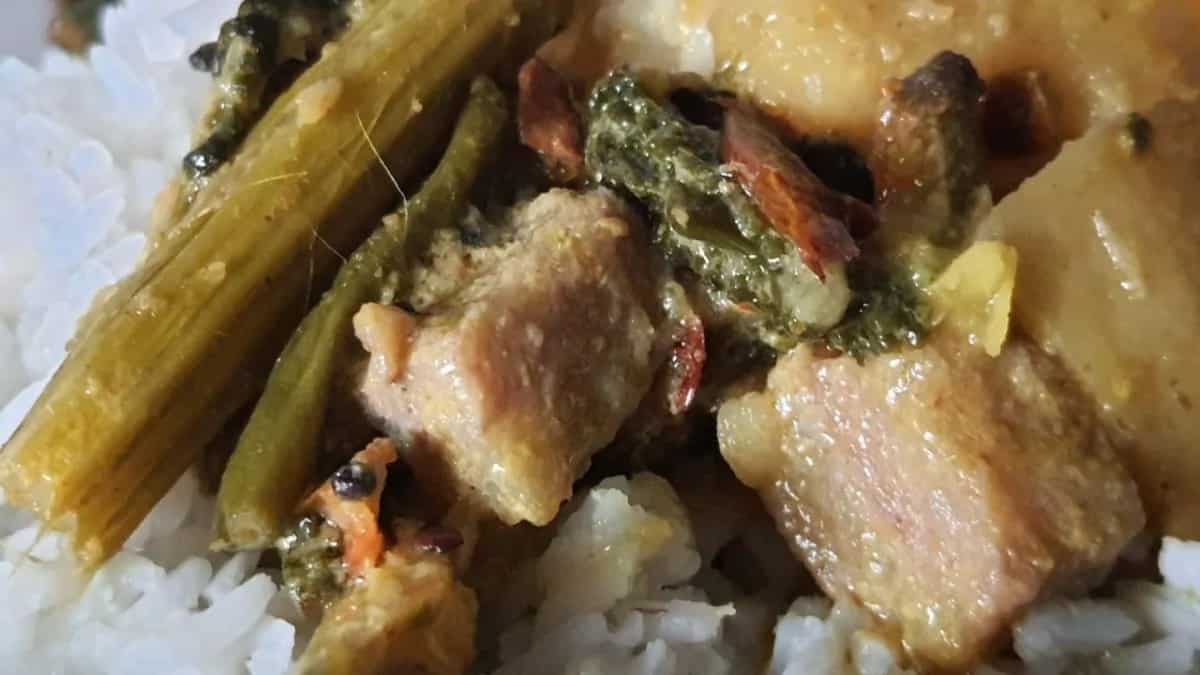
Shukto is the star of Bengali cuisine. This classic dish, featuring a variety of vegetables like drumsticks, eggplant, potatoes, etc., is cooked with a unique fusion of spices where the bitterness in the dish comes from bitter gourd and the sweet taste from sweet potato. It is tempered with mustard, and poppy seed paste gives the dish a rich and creamy texture. It is an important element of the Bengali thali, and it is also made during the famous Durga puja.
Hagalkai Palya
Hagalkai palya is a South Indian recipe where hagalkai refers to the bitter gourd. This dish is prepared by stir-frying bitter gourd and balancing the aromatic spices and fresh ingredients like grated coconut, which results in a satisfying and hearty dish. It goes well when paired with chapatis, which provide a wholesome experience.
Palak Methi Dal
Palak methi dal is one of the staple dishes prepared in Indian homes. This dish combines the bitter flavour of fenugreek leaves and the mineral-rich taste of spinach. This nutritious as well as hearty lentil stew is tempered with onions, tomatoes, garlic, and spices at the time of culinary. This dish tempts your taste buds by balancing the tartness of tomatoes, the sweetness of onions, and other flavours of spinach and methi.
Image Credit: Flickr
Narzi Oma
Narzi Oma is also noted for its Bodo traditional cuisine. Narzi means dry leaves of jute. It is prepared with a banana-based local soda. The Bodo people understand that narzi oma curry aids in the recovery from typhoid and malaria.
Nimba Kadhi Bhaja
Nimba kadhi bhaja is a unique dish that is mostly prepared in Odisha. It combines bitter and tangy flavours with a delightful crunch. This traditional dish combines the bitter character of neem with savoury flavours of eggplant and potatoes, which is the standout choice for people who prefer bold and complex flavours. Nimba kadhi Bhaja is typically served as a side dish or appetiser. It pairs well with steamed rice and dal or can be enjoyed as a crispy snack.
Gud Ka Karela
Gud ka karela is a sabzi that is made in Uttar Pradesh. In its preparation, bitter gourd is cooked with jaggery or gud; doing this gives a unique bittersweet flavour as the caramel of the jaggery enhances the dish. You can serve it with poris or parathas when having a delectable meal.
Image Credit: Wikimedia Commons
Dhekia Xaak
Starting March-April, dhekia xaak adorn the local markets across Assam, where fiddlehead ferns are sold wrapped in banana leaves and tied with a rice straw. It’s a spring delight that grows abundantly in the wild as well as being harvested commercially in the states of North and Northeast India. Belonging to the matteuccia genus of ferns, fiddleheads are a favoured leafy vegetable in traditional diets and are loved for the typical tang it renders to every dish it is added to. Simply sautéed or made part of a variety of curries and dry-fries, dhekia xaak is delicious in any form. Known by different names, these furled ferns have made their presence felt in various culinary cultures across the globe. In New Zealand’s Māori cuisine, these are called pikopiko, while North American cooking experts can speak at length about the curious story of their ‘ostrich ferns’. Cut to Asian cuisine, gulai pakis or gulai paku is a delicacy in Indonesia, which has fiddleheads as a main ingredient.
Chokh Vagun
Another vegetarian delicacy from the Kashmiri cuisine that is hopeful of making you fall in love with it is chokh vagun, which is a rustic eggplant curry that hails from the Kashmiri pandit cuisine. The term chokh vagun translates into khatte baigan. Well, the name is rightly given since the first bite of the dish till the last, tanginess is one hundred per cent guaranteed. What enhances the flavour of the dish is the use of mustard oil, which has a certain strong aroma and essence along with fennel seeds. The good part is that baby eggplants are used for the purpose of this dish, and they cook very quickly. The tartness of tamarind brings a delicious change of flavour to the otherwise sweet baigan.