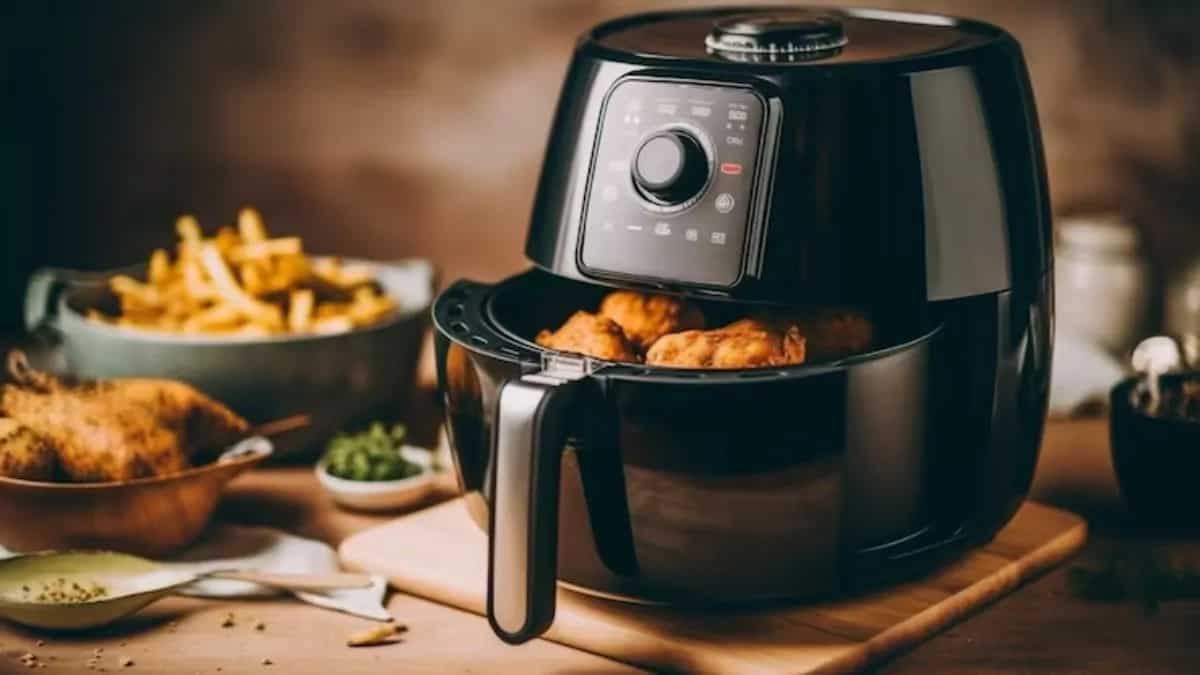
In many homes, the air fryer is placed as a showpiece on the kitchen counter, wiped clean, sometimes admired, but rarely used or even trusted. When bought, it promised crunchy snacks in less oil, but yet delivered soggy fries, dry paneer tikkas, or food that tasted dull and nothing like it should have been. So it slowly turned into a showpiece, and only to answer with a fake smile, “Do you use it?” The truth is, most airfryer failures are not about the machine, but about not knowing how it works. An airfryer does not behave like a kadhai or an oven.
It needs space, timing, and a little prep. Once you know how heat moves, why oil matters, and how small twists change the texture, it becomes your kitchen buddy. The crunch begins to appear, the food browns evenly, and suddenly, that overlooked appliance begins replacing fried food and constant supervision. The airfryer is not challenging, but it is just misunderstood.
Overcrowding The Basket
Airfryers work by circulating hot air around the cooked food. When the basket is overfilled, the airflow gets blocked, trapping the steam instead of crisping it. Fries turn soggy, pakoras go dull, and chicken sweats instead of roasting. Always cook with a few pieces, even if it means doing two batches. Yes, it takes a bit of extra time, but the texture you get in return is worth the wait.
Pro tip: Shake or flip halfway through the cooking to uncover fresh surfaces to hot air and boost even crisping.
(Image credit: Freepik)
Skipping Oil Completely
Many people think the airfryer is like a no-oil zone. The result? Dry paneer, soggy chicken, and vegetables that taste weary. Even if you cook in air fryers, you still need a little oil to help in transferring of and flavour. Just 1–2 teaspoons of oil can change your dish without making it oily. You have to roast it and not fry it.
Pro tip: Toss food in oil before cooking in place of just spraying inside the basket; it coats evenly and prevents the burning spots.
Using The Wrong Temperature
Setting the temperature to the maximum feels pleasing, but it usually backfires. High heat browns the outside too quickly, whereas the inside remains undercooked, sometimes uncooked, particularly for thick foods like tikkis or chicken thighs, paneer tikka, etc. Begin at a moderate temperature, then finish at high if required.
Pro tip: For most Indian snacks, the ideal temperature to begin at is 170–180°C, then slowly increase to 200°C in the last 3–5 minutes for colour and to get that crunch.
(Image credit: Freepik)
Not Preheating The Airfryer
Dropping food into a cold airfryer is the same as putting pakoras in lukewarm oil; nothing happens fast enough. Preheating guarantees immediate sizzling, better crispness, and less moisture release. Many air fryers trap heat quickly, so even 3 minutes of pre-heat makes a great difference.
Pro tip: Preheat while you marinade or prep your food. By the time you are done marinating or shaping, the airfryer is ready to act.
Treating All Foods The Same
An airfryer is not a one-button appliance. Vegetables, frozen foods, meats, and batters all behave differently in it. What works for fries will not work for samosas or grilled paneer. Understanding the texture and moisture is key to making all food taste exactly how it should.
Pro tip: Dry wet marinades a bit before airfrying and avoid runny batters. The thicker the coatings, the crisper the result.
(Image credit: Freepik)