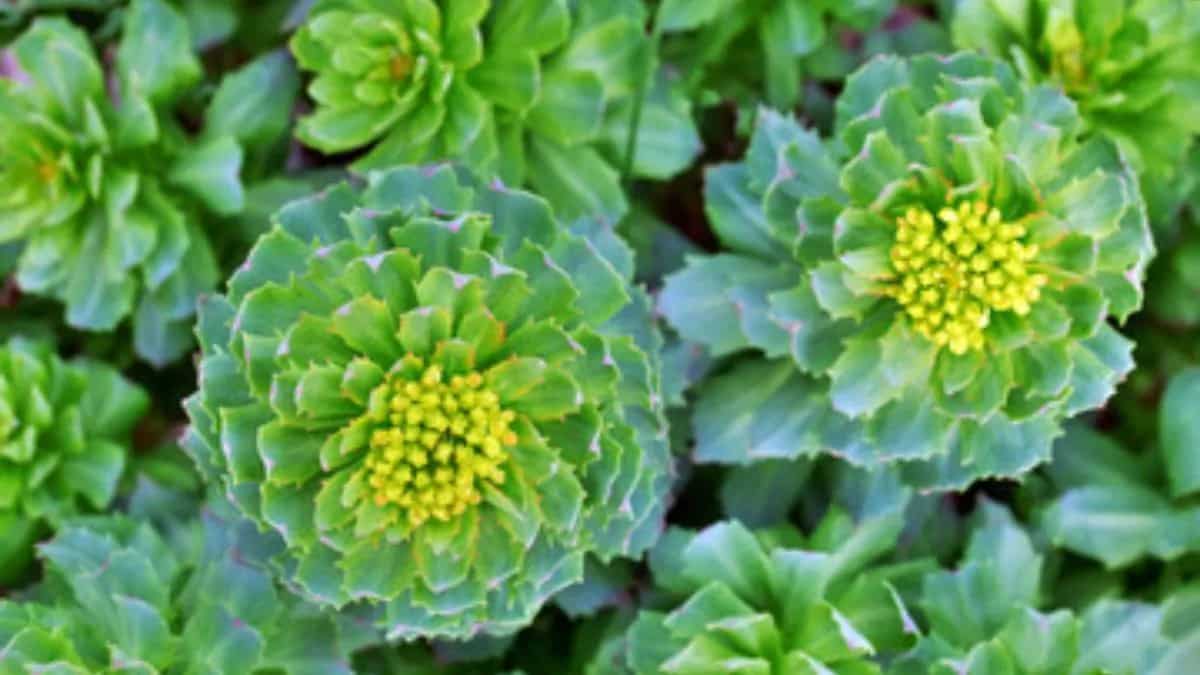
Ladakh's food did not develop in a kitchen; it developed in a climate; one of the harshest on earth where temperatures drop to minus thirty in winter, the growing season lasts a few short months and the body needs fuel of a particular kind just to function. Every dish in the Ladakhi culinary tradition is in some way an answer to the cold. High in the cold desert of Ladakh, where the air is thin, the winters are brutal and the terrain asks everything of the body that survives it, rhodiola rosea or solo grows with a quiet stubbornness that has made it one of the Himalayan belt's most revered medicinal herbs for centuries. In his 2019 speech on Jammu and Kashmir, Prime Minister Narendra Modi drew attention to such herbs, referring to them as modern-day 'sanjeevani'.
Known locally as the golden root or solo, it has been used in Sowa Rigpa, the traditional Tibetan and Ladakhi system of medicine, to combat altitude sickness, restore energy and strengthen the body against the particular physical demands of high-altitude living. Modern science has since caught up, identifying rhodiola as a powerful adaptogen, a herb that helps the body manage stress, reduce fatigue and maintain balance under extreme conditions. In a region where extremes are simply everyday life, that is not a small thing. Locals often utilise the leaves as a vegetable, while the stem, bloom, and root are used medicinally and antiseptically. But why are people suddenly so keen on using this medicinal herb? Let’s find out!
Why PM Modi Wants The World To Know About Ladakh's ‘Solo’
In his address to the nation, PM Modi mentioned Ladakh's 'solo' plant, also known as 'rhodiola' which he claimed might serve as a modern-day'sanjeevani' for security forces stationed in snow-covered mountains. He said, “Experts think the plant is a sanjeevani for persons living at high elevations and security officers stationed in snow-covered locations.”
He went on to explain, “It keeps the body's immune system functioning in low-oxygen environments.... which Indians do not want sold all over the world... I have only named one herb.” He also explained to the nation that such herbs are found all over Jammu and Kashmir and Ladakh, and “I request the industrialists, exporters and those associated with food processing to come forward to take the local products across the globe.”
Image Credit: Adobe Stock
The mythological mystery 'Sanjeevani booti', which appears frequently in the Ramayana, is thought to be the same plant. According to DIHAR (Defence Institute of High Altitude Research) in Leh, the plant boosts the immune system, protects against radio waves, has antidepressant characteristics, can stimulate hunger, aids in low oxygen and low-pressure settings, and much more. The developing herbal goods business has significant potential for regional economic development. There will be a large scope of cosmetic, perfume, and pharmaceutical businesses, as well as the establishment of wellness centres in the region.
Health Benefits Of Ladakh’s ‘Solo’ Across The Himalayan Belt
A 2022 review examined studies on the impact of rhodiola or rhodiola extract on stress and stress-related illnesses. The scientists found that rhodiola operates in a variety of ways to boost the body's resistance to physical and mental stress. It also helps to restore regular biological functioning that stress might affect. According to researchers, rhodiola modulates the levels and function of the stress response system, which includes neurotransmitters and endorphins. If you’re still confused, here’s a clearer way for you to understand:
Reduces Altitude Sickness
At elevations above 3,000 metres, the body struggles to acclimatise since oxygen thins and then the headaches and fatigue arrive before the day has properly begun. Rhodiola or solo has been used across the Himalayan belt for centuries to ease this transition, improving the body's ability to utilise oxygen efficiently and reducing the severity of altitude-related symptoms that affect anyone venturing into high-altitude terrain.
Improves Cognitive Functions
High altitude affects cognitive function which means your concentration drops, your memory dulls and decision-making slows down one by one. As per the journal Molecules by MDPI, solo has been shown to support mental clarity and focus by improving blood flow to the brain and regulating neurotransmitter activity, making it particularly valuable in regions where mental sharpness is as necessary for survival as physical endurance.
Image Credit: Adobe Stock
Boosts Immunity At High Elevations
The Himalayan winter is an immune system test that most bodies are not naturally equipped to pass. Rhodiola or solo’s bioactive compounds particularly rosavin and salidroside have been shown to strengthen immune response, reduce inflammation and protect the body against the particular vulnerabilities that come with prolonged exposure to cold, isolation and physical exertion in high-altitude environments.
Improves Heart & Respiratory Functions
Solo or rhodiola has long been used in Himalayan traditional medicine to support cardiovascular function and respiratory endurance and modern research increasingly supports its role in improving circulation, reducing oxidative stress on the heart. It also helps the lungs function more efficiently under the particular demands of high-altitude living.