Temple-style cooking is valued for its texture, simplicity, and balance. A lot of modern mixer-grinders generate heat while blending ingredients quickly, but Usha's Wet Grinder works slowly and preserves the natural texture of soaked rice, lentils, spices, and coconuts. This becomes important especially for recipes where softness, fermentation, and consistency are important for the final dish.
In many South Indian temples, traditional stone grinding methods were historically used to prepare batters for prasadam dishes such as idli, vada, appam, and pongal accompaniments. Today, while stone grinding is not used that widely, wet grinders continue that philosophy by helping the ingredients grind evenly without overheating. This results in softer batters, fluffier vadas, and smoother coconut mixtures, and better fermentation, all of which are central to making temple-style flavours at home.
(Image Credit: Freepik)
Ven Pongal
Ven pongal is one of the most recognisable temple prasadam dishes across Tamil Nadu and parts of South India. While the dish itself is rice-and-dal-based, wet grinders are often used to prepare accompanying coconut chutneys and pepper-spice mixtures that elevate the flavour of this dish. Temple-style ven pongal is known for its soft texture, generous use of black pepper, cumin, curry leaves, and ghee, which make the dish flavourful as well as aromatic. This dish is recreated in many households during festivals, pujas, and special mornings.
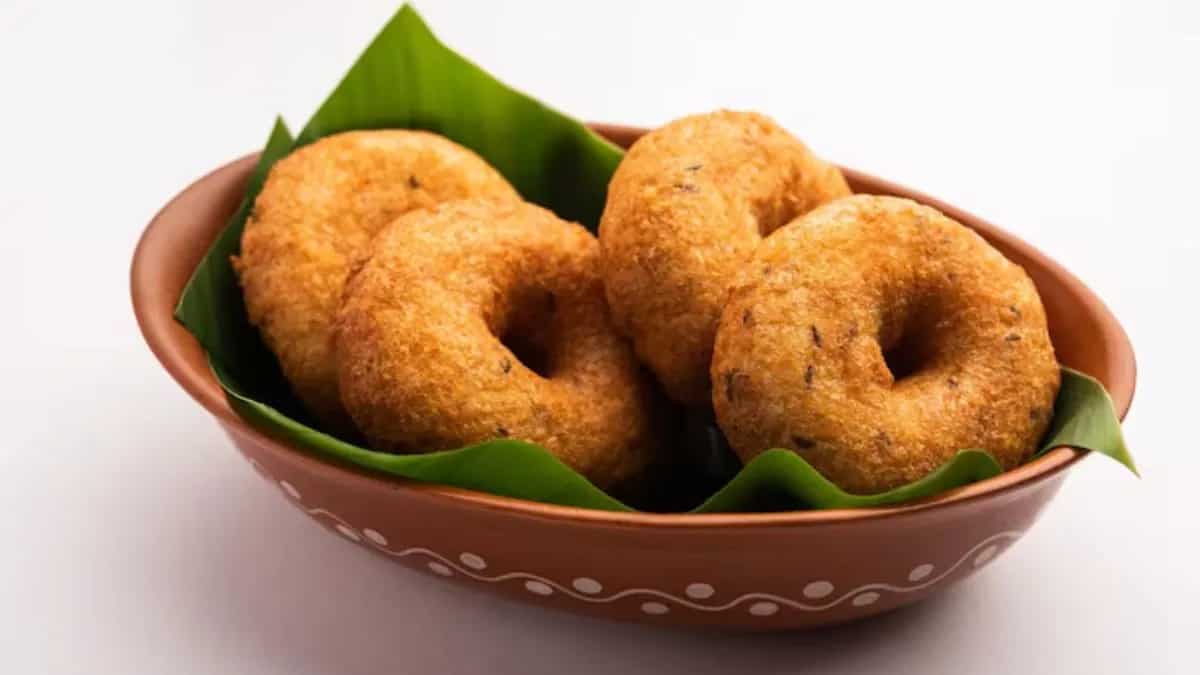
Medu Vada
Medu vada batter is one of the clearest examples of why wet grinders remain important in traditional cooking. The soaked urad dal needs to be ground into a fluffy, airy batter without becoming overheated or watery. Wet grinders help incorporate air gradually into the batter, giving medu vadas a crisp exterior and soft centre, for which they are famous and known for. Temple-style versions are usually simpler in seasoning, and they focus more on texture and freshness rather than excessive spices.
Sweet Appam
Sweet appam, which is often prepared using rice, jaggery, banana, and cardamom, is another prasadam recipe where wet grinders help to create the ideal consistency. The batter needs to remain smooth yet slightly thick to achieve the soft-centred texture associated with temple-style appams. Many temples across Kerala and Tamil Nadu prepare variations of appam as part of festive offerings. Wet grinding soaked rice helps produce a more traditional texture compared to ready-made flour versions.
Idli
Temple-style idlis are known for their softness, which depends heavily on proper grinding and fermentation. Wet grinders help rice and urad dal combine into a smooth yet slightly grainy batter that ferments more evenly than quickly blended versions. In many South Indian households, idlis made for pujas or prasadam meals are intentionally kept plain and simple, often served with coconut chutney, sambar, or milagai podi.
(Image Credit: Freepik)
Coconut Chutney
Coconut chutney may seem like a side dish, but it plays an important role in many prasadam-style meals. Wet grinders create a smoother and creamier chutney texture because the grinding process remains slow and controlled. Fresh coconut, roasted gram, green chillies, ginger, and curry leaves blend more evenly without generating excessive heat that can affect flavour. Temple-style chutneys are usually lighter, fresher, and less spicy than restaurant versions.
Adai
Adai, made using rice and mixed lentils, is commonly prepared during festival periods and special fasting days in many South Indian homes. The batter requires coarse grinding rather than a completely smooth paste, which wet grinders handle particularly well. Unlike dosa batter, adai retains more texture and benefits from gradual grinding that keeps the lentils from becoming overly processed. Many traditional versions include curry leaves, coconut, cumin, and dried red chillies.