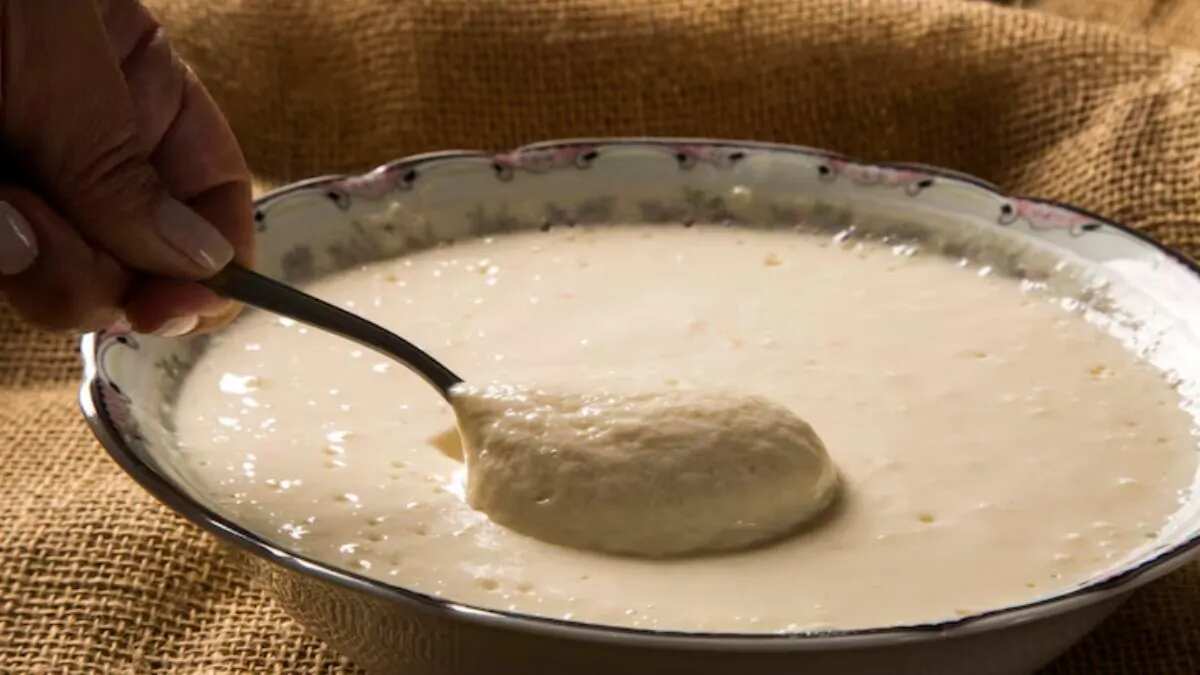
A wet grinder is one of the most important appliances in a South Indian kitchen. While it is commonly associated with idli and dosa batter, it can be used to make batters beyond these two staples. With its slow grinding process, the Usha Wet grinder helps in maintaining the structure of grains and lentils, and also creates a smoother and fluffier consistency that cannot be achieved through regular mixer grinders.
Unlike high-speed mixers that generate heat during grinding, wet grinders operate at a slower pace and preserve the flavour and natural texture of the ingredients. This becomes especially important for fermented batters, where consistency directly affects the final dish. From crisp dosas to soft appams, many traditional recipes depend on well-ground batter to achieve the right taste and texture. Here are six different types of batter that can be easily prepared using a wet grinder.
(Image Credit: Freepik)
Appam Batter
Appam batter requires a smooth and airy consistency to get its signature soft centre and lace-like crispy edges. Appam is traditionally prepared using rice and coconut, and the batter also depends heavily on fermentation. A wet grinder helps grind the soaked rice finely without making the mixture dense or overheated. This results in a light batter that ferments evenly and creates soft, fluffy appams.
Adai Batter
Unlike dosa batter, adai uses a mixture of lentils and rice that gives it a thicker texture and a more protein-rich profile. Since multiple lentils are involved, achieving an even grind can sometimes become difficult in regular mixers. A wet grinder handles these tougher ingredients more effectively, helping create a coarse yet balanced batter that gives adai its hearty texture.
(Image Credit: Freepik)
Idli Batter
The secret behind soft idlis depends almost entirely on the quality of the batter. Wet grinders help in incorporating air into the rice and urad dal mixture; because of this, the batter is lighter, and it ferments better overnight. The smoother texture also helps produce idlis that are soft, fluffy, and evenly steamed.
Dosa Batter
Whether it is plain dosa, set dosa, or paper dosa, consistency in the batter plays an important role. A wet grinder helps create a smooth batter without making it very thin. Since the appliance grinds slowly, the batter retains its natural starches, which contribute to better fermentation and crispier dosas.
(Image Credit: Freepik)
Paniyaram Batter
Paniyaram is often made using leftover idli or dosa batter, but freshly ground batter gives it a much softer texture. A wet grinder will help you create a smooth base that cooks evenly in the paniyaram pan and helps while developing a crisp exterior. You can make both sweet and savoury versions with a well-aerated batter.
(Image Credit: Freepik)
Pesarattu Batter
Pesarattu batter is prepared using green moong dal, and it has a naturally thicker texture, as compared to regular dosa batter. A wet grinder helps to break down the lentils evenly and maintain a consistency in the batter that makes for crispy and soft pesarattu. You can use ginger, green chillies, and cumin during grinding.
Modern kitchens are using quick appliances, but wet grinders continue to hold their important place because of the texture and consistency they bring to traditional cooking. Many regional dishes depend not just on ingredients but also on the method of grinding and fermentation. From appams and adai to pesarattu and paniyaram, with the help of the wet grinder, these batters develop the flavour, lightness, and texture that define them. Apart from convenience, wet grinders remain closely tied to the way traditional Indian breakfasts are prepared at home.