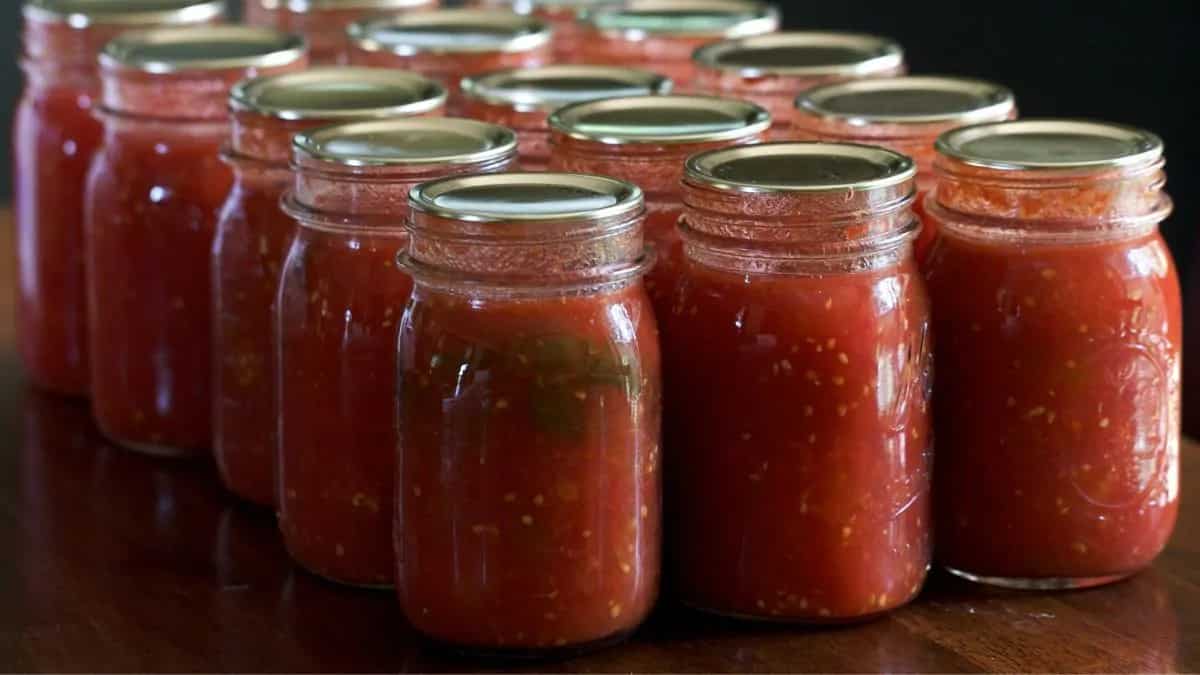
Throwing together a meal during week nights can be robotic without a bit of sprucing up to basic meals that might otherwise lack flavour. Given how long pasta courses usually take to assemble, pantry ingredients like sundried tomatoes, dried herbs and store-bought jars of pasta sauces can be life savers – even if they’re added to soups, salads or sandwiches. To zhush up budget-friendly tomato sauces doesn’t need elaborate ingredients or techniques, but only a matter of understanding what kind of flavours complement the tangy-sweet notes which can be manipulated to preference.
Stovetop Reduction
While some ready-to-eat sauces tend to be thicker in consistency, a handful of varieties can be runny – as a result of which the bright flavour of the tomato is diluted. Simmering it in a wide-bottomed pan for a few minutes as the pasta cooks allows the flavours to become concentrated and tomato-y. Add a spoonful or two of tomato paste to further amplify the tomato profile within the sauce and also give it a slow-cooked note – almost as if it has been fussed over at the stove for hours on end.
Anchovy Action
Image Credits: Pexels
For those who do not mind including strong flavours in tomato sauce, breaking down a few tinned anchovies in olive oil along with some garlic offers a major boost to what would otherwise be a basic, commercial sauce. This trick is especially effective for seafood-based pasta, cioppino or even a hearty minestrone soup – all of which contain multiple ingredients that absorb foundational flavours to taste better. Alternately, the fish-averse eater could simply add a glug of soy sauce to replicate the saltiness without the overwhelming briny notes of the ocean.
Parmesan/Pecorino Rind
Although the tanginess of tomatoes can be tad bit sharp on the palate, sugar mutes its vibrancy slightly to make it mellow and well-rounded. However, the umami-ness of the tomatoes could use further fortification with the addition of a chunk of parmesan or pecorino rind which softens in the bubbling sauce without disintegrating and disrupting the texture of the meal. Take the onus of boosting flavour a step further by placing a halved onion into the pot and allow its allium to infuse and aromatise the sauce before spreading it as a layer onto pizza crust or tossing in hot pasta.
Also Read:
Dairy Products
Image Credits: Unsplash
Think sour or heavy cream, a knob of butter, fresh ricotta crème fraiche or even a spoonful of Greek yoghurt to elevate the richness of the sauce. Not only does it impact the consistency of the sauce by making it thicker without reduction, but also mellows the otherwise overwhelming brightness of fresh tomatoes. Particularly favoured when making a spicy rigatoni or even an a la vodka sauce, vegans can also swap dairy with alternatives like coconut cream or coconut milk.
Herbs
Freshly torn basil, sprigs of rosemary, dried Italian seasoning, air-dried thyme are all excellent ways to perfume a bland sauce. Using herb-infused oils or compound butters can almost instantaneously elevate it with minimal effort while also rounding off the ‘raw’ taste of under-cooked tomatoes. Make a potli of assorted herbs to throw into a vat of sauce and extract it as a way to lace it with herbal notes, if a prominent flavour is not what one seeks. Use the herbaceous sauce as a base for meatball subs or even as a layering element for eggplant parmigiana.
Make It Meaty
The protein obsession is real! And important even while trying to improve upon regular tomato sauce. Minced lamb or even pork sausage introduces its inherent fat as well as texture to what can possibly become an instant Bolognese sauce – with a splosh of red wine to further enhance its meaty effect. Fortify it further using a mirepoix of carrots, onions and celery – or even whole spices like dried bay leaves for an aromatic depth. Those who prefer to be brave could also crumble in bits of spicy chorizo, whose chilli-infused fat deepens the ruby tones.
Introduce Acid
Most jarred sauces can be acidic; however, in off chance that they are under-seasoned or lack the oomph required to carry heavy ingredients like pasta or eggs which take on flavour, introducing elements like lemon zest or juice, apple cider vinegar or pickle brine can be a great way to season the sauce as well as preserve the vibrant freshness of the base by extending it considerably. Adding pickled olives and jalapenos to the cooking fat before pouring in the sauce allows a build-up of depth gradually while also being plant-based.