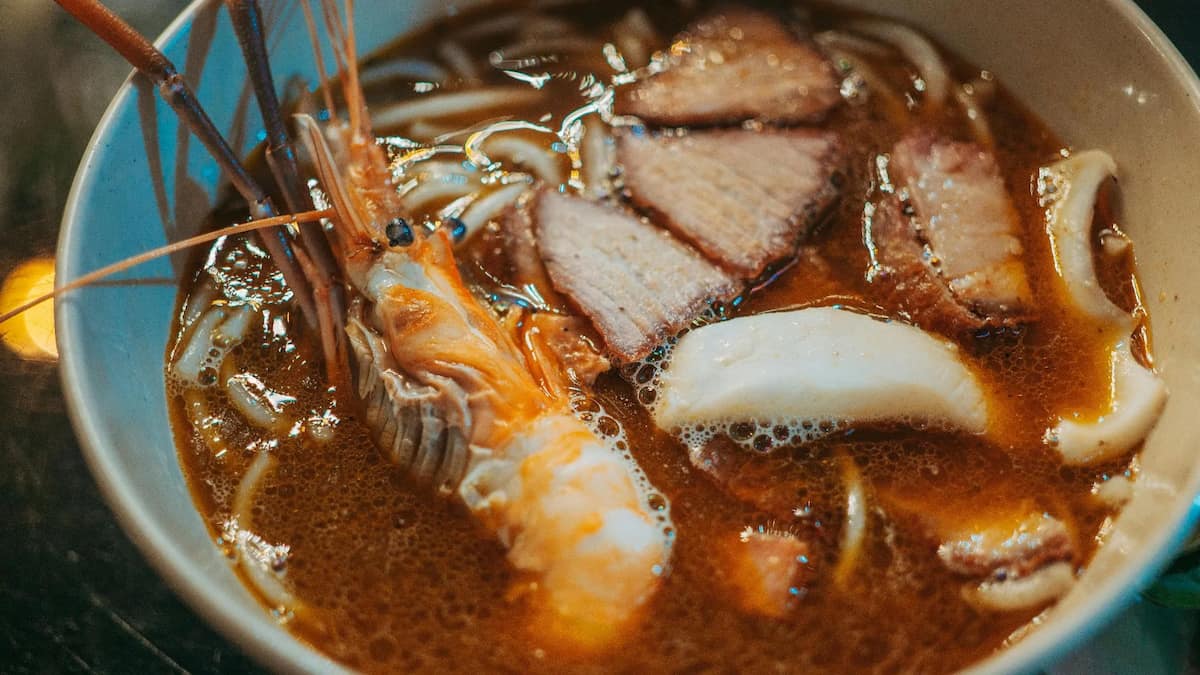
Ramen did not begin as a symbol of Japanese pop culture; it started as an imported wheat noodle dish influenced by Chinese cooking in the late 19th and early 20th centuries. The word “ramen” is believed to derive from the Chinese term la mian, referring to hand-pulled noodles. It gained wider popularity in Japan after World War II, when food shortages and the availability of American wheat made noodle dishes practical and filling. Street stalls serving soy-based broths became common, particularly in urban centres rebuilding from wartime damage.
Lesser-Known Ramen Styles Worth Exploring
1. Kitakata Ramen
Kitakata ramen comes from Fukushima and is often overshadowed by heavier broths like tonkotsu. It developed as a worker-friendly breakfast dish in the early 20th century, which explains why locals still eat it in the morning. The broth is soy-based but lighter and clearer, made from pork bones simmered gently rather than aggressively boiled. These are the thick, flat, curly noodles with high water content that feel soft yet springy. It is usually topped simply with chashu, bamboo shoots, and green onions. Because it lacks dramatic richness, it rarely trends internationally.
2. Tori Paitan Ramen
Tori paitan ramen uses chicken bones instead of pork, simmered vigorously until the broth turns opaque and creamy. Unlike tonkotsu, its richness feels lighter and less fatty. The technique requires long boiling to emulsify collagen into the soup, creating thickness without dairy. It is often seasoned with salt or soy tare and paired with thin noodles. This style remains less recognised outside Japan because it is often mistaken for pork-based broths. It is served hot with sliced chicken and soft-boiled eggs. To prepare at home, boil chicken carcasses on high heat for several hours, skimming occasionally. Patience is key for achieving natural creaminess.
3. Onomichi Ramen
Onomichi ramen features a soy-based broth layered with floating pork back fat cubes. The broth remains clear yet carries depth from dried fish stock. This balance between light soup and rich fat creates contrast without heaviness. It is usually topped with sliced pork, bamboo shoots, and green onions. Outside Hiroshima, it is rarely discussed because its flavour appears understated compared to miso or tonkotsu styles. The fat should melt slowly in the bowl rather than dominate the broth.
4. Hakodate Shio Ramen
Hakodate shio ramen is one of the oldest salt-based ramen styles. The broth is clear, light, and seasoned primarily with salt instead of soy or miso. It often includes seafood stock, reflecting Hokkaido’s coastal influence. Because it lacks dramatic colour or thickness, it is often overlooked. The noodles are straight and medium-thin. Toppings remain minimal to preserve the delicate broth. At home, combine chicken and light seafood stock, season carefully with salt, and avoid strong sauces.
5. Tokushima Ramen
Tokushima ramen stands out for its dark, sweet soy broth simmered with pork and sugar. It often includes a raw egg cracked directly into the bowl, which thickens the soup when stirred. The flavour leans slightly sweet compared to other styles. This sweetness makes it unfamiliar to many international diners. It is commonly served with rice on the side. To prepare it, simmer pork belly in soy-based broth with a touch of sugar. Add a fresh egg just before serving and mix gently to create silkiness.