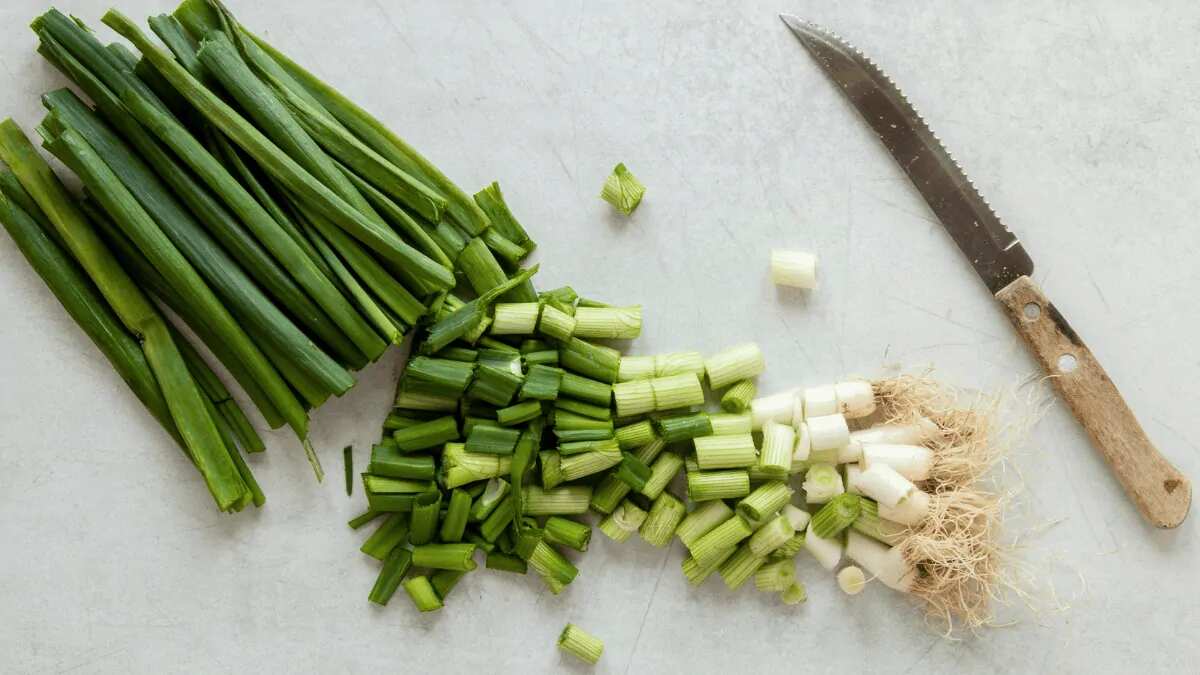
Bengalis have their unique way of preparing seasonal vegetables, especially during the winter months. Just like the fragrance of a new book, the East Bengali dishes from the winter kitchen can entice a Bengali soul in no time. One of the most beloved seasonal ingredients that reinstates its position in the Bengali kitchen every winter is the Onion stalk. They adorably call it Peyajkoli. Purbo Bongo recipes used to be a common addition to the kitchen all winter. My grandma used to prepare those rare recipes from her diaries. Peyajkoli is such an ingredient in the Bengali kitchen that represents the simplicity of their food habit.
Image Credit: Freepik
As is commonly known, the East Bengal recipes are mostly prized possessions that come down through generations from their ancestors in Bangladesh. These spicy but delicious recipes will take you on a delightful journey, and it’s guaranteed that you will be in wonder how versatile onion stalks can be!
This mild yet flavourful vegetable appears in markets around the end of October and is eagerly awaited by families. Its presence signals the start of a new season of cooking. Peyajkoli chorchori, peyajkoli dal, Pulao with onion stalks, or simply frying chopped onion stalks with black cumin seeds, Bengali traditional dishes have so many varieties to offer.
From Fields to Dinner Tables: The Art Of Cooking With Onion Stalks In Bengali Cuisine
Image Credit: Freepik
Be it some simple vegetarian dishes or rich non-vegetarian curries, Onion stalks are a key ingredient in numerous traditional Bengali recipes. Both East and West Bengal celebrate their arrival in their kitchens with an array of dishes.
Sorshe Posto Peyajkoli (Onion Stalks with Poppy Seeds)
Peyajkoli Sorshe Posto is a simple comfort item that brings in the soulful touch of East Bengali winter cuisine. The combination of tender Onion stalks and smooth poppy seed paste creates a delicate balance of flavours. For a variation and texture, adding chopped pieces of potatoes (Bengalis call it notun aloo, especially available during winter) can improve the taste as well. Even my grandma often used to add some finely chopped ladyfingers in this dish.
Ingredients:
- 1–2 bunches of Onion stalks, chopped
- 4 tbsp poppy seeds (posto)
- 2 tbsp white mustard seeds (sorshe)
- 1 medium potato, thinly sliced
- 1 tsp Bengali five-spice mix (paanch phoron)
- 1/2 tsp turmeric powder
- 2–3 green chillies, slit
- 2 tbsp mustard oil
- Salt and sugar, to taste
To prepare this dish, first soak the poppy seeds in water for about 20 minutes, then grind them into a fine paste. Chop the Onion stalks into 1-2 inch pieces and set aside. Heat mustard oil in a pan until it begins to smoke, then reduce the heat. Add the paanch phoron (Bengali five-spice mix) and green chillies to the oil, letting them splutter. Once the spices are fragrant, add thinly sliced potatoes and fry them until lightly browned. Next, add the chopped Onion stalks, turmeric, salt, and cover the pan to cook until the stalks and potatoes are tender. Stir in the poppy seed paste, followed by a pinch of sugar, and cook for a few more minutes until the dish thickens and becomes dry.
The Onion Stalks Posto perfectly complements the stalks' mild sweetness and the poppy seeds' earthiness. Mustard oil contrasts and turmeric warms. The stalks' crunch and poppy seeds' creaminess make the dish light and hearty. With steaming rice, this dish is the quintessential winter comfort food.
Onion Stalks Mourola Chorchori (Small Fish Curry with Onion Stalks)
Image Credit: Creative Commons
In this traditional Bengali dish, Onion Stalks Mourola Chorchori, small Mourola fish is cooked alongside Onion stalks in a dry curry that is both aromatic and flavourful. This recipe is a great example of the Bengali love for combining fish with vegetables, creating a dish that is both nourishing and packed with flavour.
Ingredients:
- 300g Mourola fish (small carplet fish), cleaned
- 2 medium potatoes, chopped
- 1/2 cup Onion stalks, cut into 1-inch pieces
- 1 medium onion, finely chopped
- 6-7 garlic cloves, minced
- 1 tbsp ginger paste
- 2-3 green chillies, slit
- 1 tsp nigella seeds (kalonji)
- 1/2 tsp turmeric powder
- 1/2 tsp red chilli powder
- Salt and sugar, to taste
- 3 tbsp mustard oil
- Fresh coriander for garnish
Start by cleaning and marinating the Mourola fish with salt and turmeric. Heat mustard oil in a pan until it becomes very hot, then fry the fish until they are crispy. Set the fish aside. In the same pan, add kalonji (nigella seeds) and minced garlic, allowing them to release their fragrance.
Image Credit: Creative Commons
Now, add chopped onions and fry them until golden brown, then add cubed potatoes and cook them until partially tender. Add turmeric, red chilli powder, salt, and a touch of sugar to the potatoes and onions. Next, add the chopped Onion stalks, stir for a few minutes, and then return the fried fish to the pan. Add a bit of water, cover the pan, and let the dish cook on low heat until everything is well combined and dry.
The earthy taste of kalonji and the heat from the green chillies enhance the overall experience, while the onions and potatoes provide a soft, comforting base. The slight sweetness from the stalks balances out the spiciness, creating a perfect harmony of flavours. This dish is an essential part of any Bengali winter meal, best enjoyed with rice and dal.
Chingri Peyajkoli Tarkari (Prawns with Onion Stalks)
Chingri Peyajkoli Tarkari is a delightful non-vegetarian recipe where prawns are paired with Onion stalks to create a curry that is both light and flavourful. The prawns add a delicate sweetness, while the stalks provide a crunchy texture, creating a flavourful combination that elevates the prawn curry.
Ingredients:
- 1 bunch Onion stalks, chopped
- 150g small prawns, cleaned
- 1/2 tsp nigella seeds (kalonji)
- 2 green chillies, slit
- 1/2 tsp turmeric powder
- 3 tbsp mustard oil
- Salt, to taste
To prepare this dish, marinate the prawns with salt and turmeric for about 10 minutes. Heat mustard oil in a pan and lightly fry the prawns until they turn pink, then remove them and set aside. In the same oil, add nigella seeds and green chillies, allowing them to sizzle. Once the spices are aromatic, add chopped Onion stalks and sauté until they begin to soften. Stir in the remaining turmeric and salt, then return the prawns to the pan. Mix everything together and cook for another 2–3 minutes to allow the flavours to meld. Serve the curry hot with a bowl of steamed rice.
The prawns in this dish are the star, providing a sweetness that complements the subtle flavour of the Onion stalks.
Onion Stalks Murgi (Chicken Curry with Onion Stalks)
Image Credit: Freepik
Onion Stalks Murgi is a rich chicken curry that uses Onion stalks to add a unique texture and taste to the dish. The stalks infuse the chicken with a subtle sweetness, which balances beautifully with the spices, making this a winter favourite in Bengali households.
Ingredients:
- 700g chicken, cut into pieces
- 7 Onion stalks, chopped
- 4 tbsp yoghurt
- 1 tsp salt
- 1 tsp ginger paste
- 5 tbsp mustard oil
- 4 dry red chillies
- 3 bay leaves
- 1 large tomato, chopped
- 1 tsp turmeric powder
- 1 tsp green chilli paste
- 3-4 green chillies, slit
To prepare this dish, first marinate the chicken with yoghurt, salt, and ginger paste for about 2 hours. Heat mustard oil in a pan and fry the marinated chicken pieces until they are about 75% cooked. Remove the chicken and set it aside. In the same pan, add bay leaves and dry red chillies, letting the spices release their fragrance. Add chopped onions and fry them until golden brown. Stir in the fried chicken, turmeric powder, chopped tomatoes, and green chilli paste. Add chopped Onion stalks and cook the mixture until the chicken is tender. Add water to adjust the consistency of the curry, and let it simmer for a few more minutes.
Peyajkoli Begun Chechki (Onion Stalks and Eggplant Stir-Fry)
Onion Stalks Begun Chechki is a quintessential Bengali stir-fry that combines the natural sweetness of Onion stalks with the soft, earthy texture of eggplant (begun), creating a simple yet flavourful dish.
Ingredients:
- 1 bunch Onion stalks, chopped
- 2 medium eggplants, cut into small cubes
- 1 medium onion, finely chopped
- 5 garlic cloves, minced
- 2-3 green chillies, slit
- 1/2 tsp nigella seeds (kalonji)
- 1/2 tsp turmeric powder
- 1/2 tsp red chilli powder
- 1/2 tsp cumin seeds
- 3 tbsp mustard oil
- Salt, to taste
- A pinch of sugar (optional)
- Fresh coriander for garnish
Start by heating mustard oil in a pan and tempering it with nigella seeds (kalonji) and cumin seeds. Once they release their aroma, add finely chopped onions, garlic, and slit green chillies, sautéing them until golden. Add the cubed eggplant and cook until it softens, followed by the chopped Onion stalks. Season with turmeric powder, red chilli powder, and salt, and let it all cook together on low heat until the vegetables are tender and dry. Optionally, add a pinch of sugar to balance the flavours. Lastly, garnish with fresh coriander and serve with rice or dal.
Apart from these recipes from grandma’s diary, we got a chance to have a word with Home Chef Sayani Sengupta. Sayani is the Cooking Lab Lead for the Millet Revival Project by The Locavore, where she specialises in curating innovative recipes using millets and diverse cooking techniques. Based in Kolkata, she is also a home chef and runs her own food brand, Gooseberri. As a recipe writer, Sayani shares her childhood favourite recipes with Peyajkoli, taking Slurrp on a nostalgic culinary journey with the authentic Peyajkoli recipes she has tried since her childhood.
Peyajkoli Diye Motor Dal
In Bengali households, dal is a beloved staple. This Motor Dal with Peyajkoli is a comforting blend of yellow split peas, tender winter onion stalks, and aromatic spices. With the sweet touch of jaggery and the richness of ghee, it’s the perfect dish to enjoy with luchi or pulao, making every meal feel complete.
Ingredients:
- 200 gms of Yellow Split Peas (Motor Dal)
- 2 tender bunches Peyajkoli (winter green onion stalk)
- 2 Onions (chopped)
- 1½ tablespoons Ginger paste
- 2 Bay leaves
- 1 tablespoon Green chilli paste
- 2 Dried red chillies
- ½ teaspoon Turmeric powder
- 2 teaspoons Bengali Garam Masala Powder
- 1 teaspoon Nigella seeds
- 3 tablespoons Mustard oil
- Salt: to taste
- Jaggery, grated: 1½ tablespoons
- 1 tablespoon Ghee
Process:
Wash yellow split peas well and soak in water for at least 8 to 10 hours or overnight. Next morning, discard the water and wash again. Put the dal in a pot with water and a little salt and let this cook till soft, but the lentils should retain their shape. The leftover boiling liquid in the dal should not be more than ½ cup, approximately. Cut peyajkoli into one-inch pieces.
Image Credit: Pexels
In a kadhai, put mustard oil and heat it to the smoking point. Temper with broken dried red chillies, bay leaves and nigella seeds. Sauté for a few seconds. Put chopped onion and fry till lightly brown. Add ginger paste and saute for a minute. Put peyajkoli pieces, turmeric powder, and salt to taste and fry on high heat for about 5 to 6 minutes, stirring every now and then. Put in the dal, garam masala powder, green chilli paste, jaggery and let everything come to a boil. Change the gas mark to low, cover and cook for about 5 minutes. Stir in the ghee and serve with luchi, porota, ruti, rice or pulao.
Peyajkoli Aar Macher Polao
Bengalis share a lifetime connection with fish. Maach-e-Bhaat-e-Bangali is what they are known for. The rich flavours of Aar Mach Biryani, a Bengali classic that beautifully combines long-whiskered catfish, aromatic spices, and winter-fresh onion stalks (peyajkoli). With fluffy Tulaipanji rice, golden potatoes, and a hint of Gondhoraj lebu for that zesty kick, this dish is a true celebration of Bengali cuisine.
Ingredients:
- 4 pieces Aar Mach / Long Whiskered Catfish
- 8 stalks Peyajkoli (winter green onion stalk)
- 2 medium-sized Chandramukhi potatoes
- 480 to 500 grams Tulaipanji Rice
- 2 medium onions, chopped
- 8 Shallot, peeled
- 2 medium Tomatoes, chopped
- 8 Green chillies, chopped (as per spice tolerance)
- 1 tablespoon Ginger, grated
- 1 tablespoon crushed garlic
- ½ teaspoon Cumin seeds
- 1 teaspoon black peppercorns, crushed
- 4 Green Cardamom
- Cinnamon: one inch broken in pieces
- 4 Cloves
- ½ teaspoon Turmeric powder
- ½ + ½ teaspoons Bengali Garam Masala Powder
- 1 teaspoon Coriander powder
- 2 tablespoons Mustard Oil
- 2 tablespoons Ghee
- Salt: to taste
- 1 teaspoon Refined vegetable oil
- 4 pieces Gondhoraj lemon wedges
Wash the rice, cook it in boiling water with salt and one teaspoon of refined vegetable oil. The oil helps in making the rice grains fluffy and non-sticky. Once the rice has cooked al dente, drain out the water and air-dry for an hour. Wash the fish pieces, drain water and marinate with a little turmeric and salt. Keep aside for 15 minutes.
Image Credit: Freepik
Next, cut each potato into one-inch pieces. Heat mustard oil in a kadhai to a smoking point, slide in the fish pieces gently and fry on high heat for 3 minutes each side, take out and keep aside. Put clove, cinnamon, cardamom, and cumin seeds in the same oil, fry for a few seconds, put in chopped onion and fry till it turns pale brown
Add crushed garlic, grated ginger, shallots and fry for 2 minutes. Then add potato, turmeric powder, coriander powder, and salt to taste. Fry for 2 minutes. Add ¼th cup of water and cook covered on low heat for around 8 minutes, stirring intermittently. Next, add tomatoes, crushed Peppercorns, peyajkoli, chopped green chillies, and half of the garam masala powder. Mix well. Cook covered for a few minutes till the peyajkoli wilts slightly.
Then add in the fried Aar Mach pieces, 1 tablespoon ghee and cover with a layer of the cooled rice. Drizzle another tablespoon of ghee and garam masala powder on top and cook on low heat for 6 to 8 minutes till all the flavours amalgamate.
Image Credit: Freepik
Open the lid. Gently mix the rice and the fish peyajkoli aloo masala. Do not break the fish pieces. And finally, you can serve it hot with gondhoraj lebu on the side.
Onion stalks, or Peyajkoli, hold a special place in Bengali cuisine, especially during the winter months. Whether incorporated into vegetarian or non-vegetarian dishes, these stalks add a unique texture and flavour that enhances the overall dish. From Posto to Chingri Tarkari, these dishes, full of history and flavour, continue to bring warmth and comfort to Bengali homes, season after season.