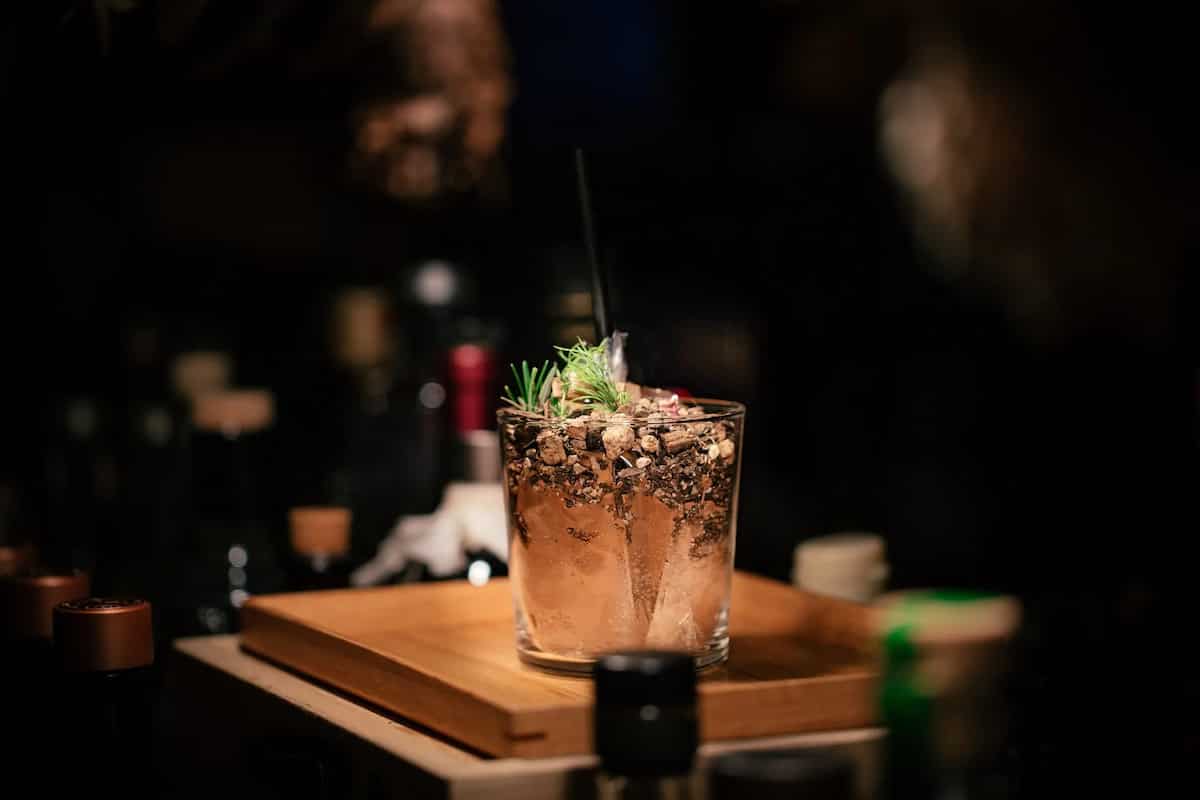
Alcohol has been a part of the human experience for a long time and has been used as offerings to gods and in ritual feasts. The word "cocktail" has captured the imagination of liquor connoisseurs around the world, yet its origins are disputed. Traditionally a mixture of spirits, sugar, water, and bitters, by the 1860s, cocktails included a liqueur of some sort as well. In the prohibition era in the United States (1920–1933), owing to the scant availability of beer and wine, cocktails became popular as these were way more accessible to the general public. By the 1960s, cocktails had lost their popularity. In the early 2000s, cocktails saw a resurgence in popularity, and in the current information age, cocktail recipes are widely shared and published online on websites and social media.
The main components of a cocktail are the base, the modifying agent, and the souring, flavoring, and coloring agents. Single spirits like rum, gin, and whisky that usually form 75% or more of the cocktail form the base. Bitters, fruit juices, aromatic wines like vermouth, and spirits like Fernet Branca and Amer Picon serve as modifying agents to reduce the raw alcoholic taste of the base. Coloring and flavoring agents are used to impart a specific taste or color to the cocktail. Some of them are grenadines, angostura bitters, and cordials.
Cocktail-making today is as much an art as it is a science. Being able to gauge the taste and consistency of the final product (a cocktail) by mixing a few ingredients in approximate proportions before even starting the process is quite an ability. Cocktails may be aromatic or sour. Aromatic cocktails use wines, spirits, or bitters as modifying agents. Sour cocktails use sugar and fruit juice as modifying agents. The basic principles for making a quality cocktail are:
1. Use good-quality and high-proof liquors.
2. Should whet the appetite, not dull it.
3. Should not be too sweet or syrupy.
4. Should not contain too much cream, egg, or fresh fruit.
5. Should be dry with just enough alcoholic flavor that is smooth and pleasing to the palate.
6. Should be well iced and visually appealing.
Cocktails in Asia have always been spicy, rich, and full of flavors due to the use of spices, ginger, and herbs. Some of the most creative cocktails in Asia are:
1. Singapore Sling- Made by shaking gin with Cherry Liqueur, Cointreau, Grenadine, Pineapple Juice, Benedictine Herbal Liqueur, Freshly Squeezed Lime Juice, and Angostura Bitters, this cocktail is served straight up in a hurricane glass with a pineapple wedge and a Maraschino cherry as garnishes. It was invented by a Singaporean bartender named Ngiam Tong Boon in 1915 and was originally called the Gin Sling.
2. Kamikaze- The word "Kamikaze" means "Divine Wind" in Japanese. The cocktail that is Kamikaze's namesake is made with equal parts vodka, triple sec (orange liqueur), and freshly squeezed lime or lemon juice. Served straight up in a cocktail glass with a lime or lemon twist, this cocktail is recommended to be paired with spicy chicken wings or pasta dishes.
3. Soju Watermelon Cocktail- Served inside a watermelon, this dry and slightly flowery drink is quite popular in Japan. With a lot of watermelon flavor and its slushiness and coldness, this cocktail is a popular summertime drink.
4. Thai Style Bourbon and Ginger Cocktail: Those of us with a liking for ginger and herbs will like this cocktail. With a rich and complex taste, this gingery and boozy drink is strong with a bitter tang and is worth a try.
5. Yuzu Cocktail- This bubbly, light, and transparent drink is delightfully earthy with a sour taste. Fans of tart lemonade and other sour drinks will love this cocktail. Made with Yuzu (a type of Japanese citrus fruit), Gin, Vanilla Extract, Simple Syrup, Orange Bitters, and Club Soda, this drink is sour, as mentioned before, but isn't so sour that it can't be enjoyed.
6. Mango Melona Soju Cocktail- Made using Melona Mango Ice Cream, this creamy cocktail has a zingy aftertaste like rice wines imparted by the soju used in this drink and a fizziness due to the lemon-lime soda that is added. A drink that's almost like a dessert, this cocktail is quite popular as a summertime drink.
7. Lychee Cranberry Gin Cocktail- A classy drink made using a signature Asian fruit, the lychee, this cocktail is sure to make the drinker remember it for a long time. A simple drink made using Lychee Juice, Cranberry Juice, Soda Water, and Gin, this cocktail appears red in color with a delightful aroma and a sweet and zingy taste.
8. Grapefruit Honey Sake Cocktail- An ideal summertime drink, this cocktail is made with grapefruit juice, sugar, and sake. Striking a delicious balance between sour and sweet tastes, this drink creates a tingling sensation that isn't too strong. If one wants the cocktail to be sweeter, then some more sugar may be added to enhance its sweetness.
9. Yamazaki Autumn Delight- Ideal for de-stressing from Halloween and Thanksgiving preparations, this cocktail is made using Japanese whisky, cinnamon, and apple cider. The most noticeable characteristic of this drink is its fragrance. When combined with its floral and honey notes, it helps slow the body down and unwind.
10. Chinese Fizz- Combining dark rum with Luxardo liqueur, Cointreau, and Angostura bitters, this cocktail emulates a rum-based Old Fashioned and is pink. The added egg whites and lemon juice give it a tart and frothy texture.
These mixes are merely the tip of the iceberg when it comes to Asian cocktails. Travelers to Southeast Asia and the Far East will get plenty of chances to sample these cocktails and many more like them. Much like Asian food, Asian cocktails can be strong, full of flavor, and an absolute delight!