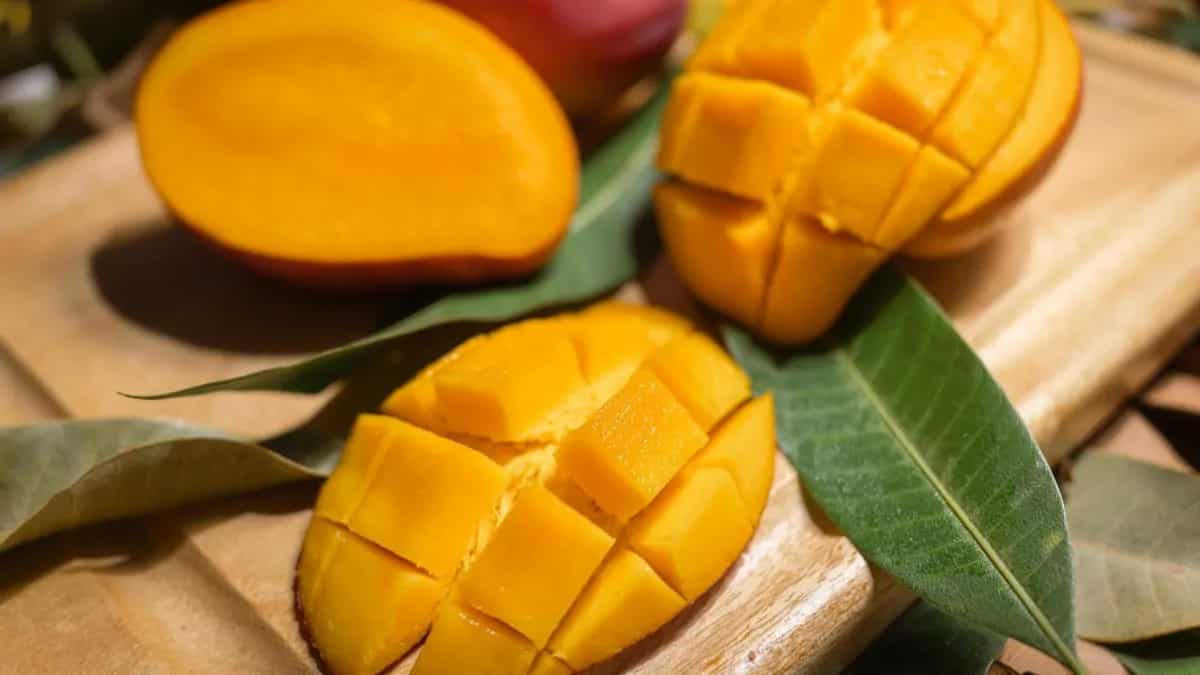
For millions of people across the subcontinent, the arrival of the mango season is more than just a change in the weather. It is a cultural phenomenon that dictates weekend plans, family gatherings, and even the daily dessert menu. While everyone has a personal favourite, the 2026 season brings a delightful mix of legendary classics, vanishing heritage fruits, and cutting edge hybrids that are finally making their way into local markets. Here are ten varieties to look forward to this year, ranging from the world famous to the delightfully obscure.
1. The Alphonso (Hapus)
Often hailed as the king of mangoes, the Alphonso remains a staple for any mango enthusiast. Hailing primarily from the Devgad and Ratnagiri regions of Maharashtra, this fruit is prized for its rich, buttery texture and a lack of fibre that makes it feel like eating silk. Its skin turns a gorgeous golden yellow with a hint of red blush when it is perfectly ripe. The aroma is so potent that a single basket can fill an entire room with its fragrance. This season, look for the GI-tagged varieties to ensure you are getting the authentic coastal flavour that makes the Alphonso a global superstar.
Image credit: Pexels
2. The Kohitur
If you are looking for something truly exclusive, the Kohitur from West Bengal is the one to track down. Historically reserved for the Nawabs of Murshidabad, this variety is so delicate that it is often handled with cotton wool to prevent bruising. It is not just a fruit: it is a piece of history. The texture is incredibly soft, and the taste is a refined, subtle sweetness that lingers on the tongue. It is one of the most expensive mangoes in India, often selling for hundreds or even thousands of rupees per piece, making it a true luxury for special occasions.
3. Arunika
A relative newcomer to the commercial scene, Arunika is a hybrid developed by the Indian Council of Agricultural Research. It is a cross between the Amrapali and Vanraj varieties, combining the best of both worlds. Arunika is known for its striking red blush and deep orange pulp. Unlike some older varieties that only bear fruit every other year, Arunika is a regular bearer, meaning it should be more widely available this season. It boasts a very high sugar content and a firm flesh that makes it excellent for slicing into salads or eating fresh.
Image credit: Pixabay
4. The Indian Miyazaki
The Japanese Miyazaki, often called the Egg of the Sun, has traditionally been the world’s most expensive mango. However, in recent years, farmers in states like Madhya Pradesh, Gujarat, and Karnataka have successfully cultivated this variety on Indian soil. These mangoes are identifiable by their deep ruby red skin and a sweetness that is significantly higher than most traditional varieties. While still a premium item, the Indian grown Miyazaki offers a chance to taste international luxury without the import price tag.
5. Karuppatti Kai
For those who prefer a more rustic, heritage flavour, the Karuppatti Kai from Tamil Nadu is a must try. The name itself translates to palm jaggery fruit, a nod to its unique, earthy sweetness that reminds one of traditional unrefined sugar. This is a lesser known variety that was once on the brink of vanishing but is seeing a revival thanks to local conservationists. It has a slightly thicker skin and a more robust, fibrous texture compared to the Alphonso, making it a favourite for those who enjoy the old school way of eating mangoes.
Image credit: Pixabay
6. Kesar
Known as the queen of mangoes in Gujarat, the Kesar variety is famous for its intense, saffron-like aroma. The fruit is relatively small and somewhat dull looking on the outside, but once you cut it open, the bright orange pulp is incredibly sweet and juicy. Kesar is widely considered the best variety for making aamras because of its high juice content and lack of tough fibres. It typically arrives a bit later in the season than the Alphonso, giving you something to look forward to as the summer peaks.
Image credit: Pexels
7. Pusa Lalima
Another triumph of Indian agricultural science, Pusa Lalima is a hybrid that is gaining popularity for its stunning appearance. It features a bright red peel over a golden yellow background, making it look almost like a giant apple. The pulp is firm, deep orange, and fibreless with a pleasant blend of sweetness and acidity. Because it is a semi-dwarf variety, it is easier for farmers to manage, leading to better quality control. Look for this variety in premium fruit stores this year.
8. Anand Rasraj
Also known as Gujarat Mango 1, this variety was introduced to address the problem of inconsistent yields in traditional orchards. It is a hardy fruit that is resistant to common pests like the fruit fly, which means the fruits you find in the market are often in pristine condition. The flavour is consistently sweet with a well balanced tartness, making it a reliable choice for everyday consumption. It is quickly becoming a favourite for commercial growers and home gardeners alike.
9. Imam Pasand (Himayat)
Mainly grown in Andhra Pradesh and Telangana, the Imam Pasand is often considered the connoisseur’s mango. It is a large fruit with a green skin that hides a surprisingly pale, ivory coloured pulp. The flavour is complex: it starts with a honey-like sweetness and finishes with a subtle, citrusy note. It is called the Imam Pasand because it was reportedly a favourite of the Mughal royalty. It has a very small stone relative to its size, meaning there is more delicious fruit for you to enjoy.
Image credit: Pexels
10. Kannimanga
While most of the list focuses on ripe, sweet fruits, the Kannimanga from Kerala deserves a spot for its importance in Indian cuisine. These are tiny, tender mangoes harvested before they mature. They are the primary ingredient in the famous Kerala style tender mango pickle. Their tangy, sharp flavour and crunchy texture are essential for anyone who enjoys traditional Indian condiments. If you are planning to stock up on pickles this year, the Kannimanga season is the time to do it.
Honourable Mentions: The Hidden Stars
Beyond the top ten, two other varieties deserve a place in your fruit basket this year for their unique characteristics and growing popularity.
The Mankurad (Goa)
Often called the pride of Goa, the Mankurad is frequently cited by locals as superior even to the Alphonso. It is a mid-season variety that is almost entirely fibreless with a very thin skin. The flavour is a perfect balance of sugar and acidity, providing a refreshing taste that is quintessentially Goan. It does not travel as well as other varieties, so if you find it in a local market, do not hesitate to grab a dozen. Its name is derived from the Portuguese phrase Malcorada, meaning poor colour, because it remains greenish-yellow even when ripe, but do not let the exterior fool you: the inside is pure gold.
Image credit: Pixabay
The Amrapali (Hybrid)
Created by crossing the Dasheri and Neelam varieties, the Amrapali is a miniature marvel. It is famous for its deep, carrot-orange pulp and a sweetness level that is among the highest in the mango world. Because the tree is naturally small, it has become a favourite for urban gardeners and boutique orchards. Its intense flavour makes it a top choice for high-end mango desserts and sorbets. It is a relatively late-season mango, usually peaking in June or July, extending the summer joy just when you think the season is ending.
Making The Most Of The Season
To truly enjoy these varieties, remember that the best mangoes are often found at local organic markets or directly from farmers. When choosing your fruit, let your nose lead the way. A ripe mango should have a sweet, heavy scent at the stem end. Avoid fruits with soft spots or fermented smells, but do not be afraid of a few small black speckles on the skin: these are often just sugar spots indicating a high sweetness level. Whether you are indulging in the royal luxury of a Kohitur or enjoying the simple pleasure of a bowl of Kesar aamras, the 2026 mango season promises to be a memorable one. Each variety tells a story of its region, its history, and the skill of the farmers who bring it to your table.