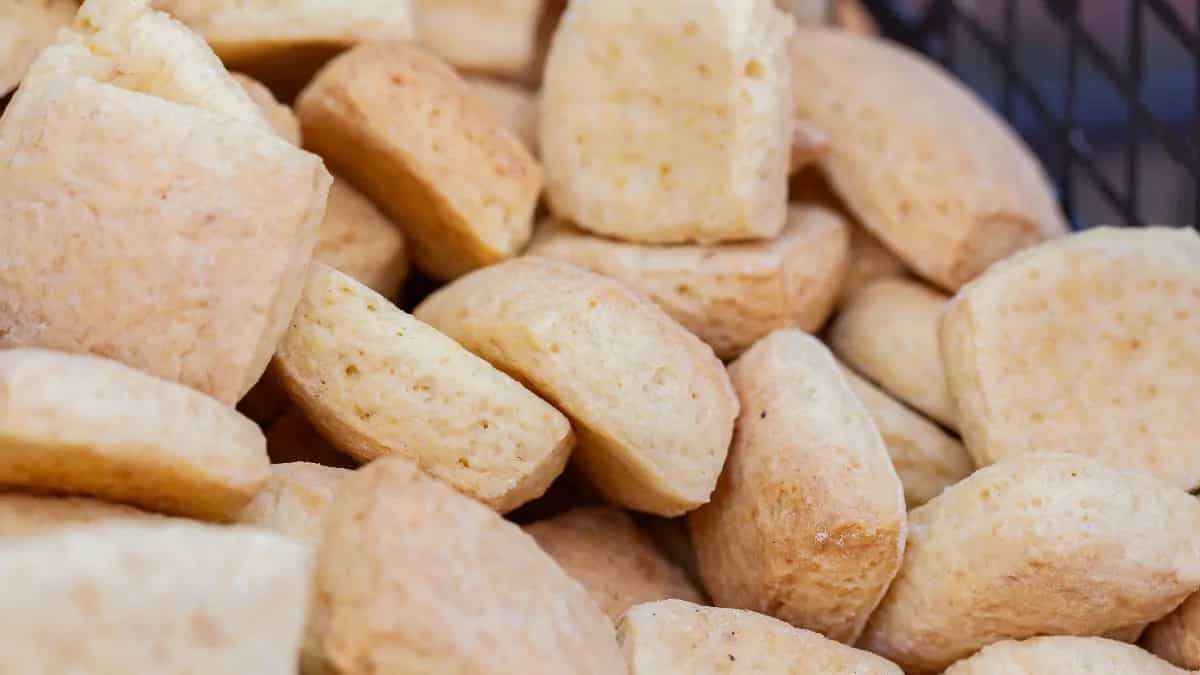
Few things capture the essence of India as well as a kadak cup of hot tea paired with a humble bakery biscuit. From North India to South, tea time has a special place in the hearts of chai lovers, and they all prefer a variety of regional bakery treats to accompany their daily cuppa. Bakery biscuits have long been an essential part of tea time, offering comfort, nostalgia and a taste of regional heritage. Almost every state has its own take on tea-time biscuits, from sweet to savoury, in various creative avatars.
Some are round, some square, some long and rectangular, along with the out-of-the-box ones, for example, a biscuit shaped like a butterfly (a projapoti biscuit, a hit teatime bakery biscuit of Kolkata). While mass-produced biscuits line the supermarket aisles today, local tea shop bakeries continue to produce distinctive varieties that reflect the culinary traditions of their communities. And there are still a lot of nostalgic takers of tradition or quality over popularity or ease, in terms of food.
From crisp rusks in the north to buttery coconut biscuits in the south and colourful fruit biscuits in Kolkata, India's regional bakery culture has always been remarkably diverse. Every state seems to have its own favourite biscuit, often baked using recipes that have been passed down through families and generations. Such individuals may not always enjoy the glamour of elaborate desserts, but these everyday biscuits remain the true backbone of India's tea-drinking culture, for all strata of society.
Simply walk by any local bakery in India, or even a tea stall, and the aroma is unmistakable. Freshly baked biscuits sit in large glass jars alongside cakes, puffs and buns, tempting customers who stop by for their evening tea. Unlike mass, factory-made biscuits, bakery varieties are often prepared in small batches, resulting in fresher flavours and distinctive textures.
For many Indians, these biscuits are deeply nostalgic as they bring back fond memories of childhood visits to the local, roadside tea stall with their father or grandfather, along with snatches of iconic conversations shared over steaming cups of chai at the tea stalls. The appeal of these tea stall biscuits lies not in elaborate decoration but in simple, honest baking that has stood the test of time.
Regional Bakery Biscuits That Are The Perfect Companion For Your Evening Tea
Osmania Cookies
Image credit: Pexels
Few regional biscuits are as iconic as the Osmania cookie from Hyderabad. Created during the reign of the last Nizam, Mir Osman Ali Khan, these buttery, slightly salty, and delicately sweet biscuits have become synonymous with the city's famous Irani cafés. Their chief appeal lies in their unique balance of flavours that sets them apart from other tea biscuits. Rich with butter yet surprisingly light, Osmania cookies were specifically designed to complement strong, milky Irani chai. The slight savoury edge of the biscuits prevents them from becoming overly sweet, rendering them exceptionally moreish. Today, tourists and frequent visitors of Hyderabad rarely leave without a box of freshly baked Osmania biscuits, which continues to be one of India's finest examples of bakery craftsmanship.
Projapoti And Fruit Biscuits
Kolkata's bakery culture is steeped in history, hued by colonial influences and generations of family-run establishments. Among its most cherished tea-time treats are the classic fruit biscuit and the unique projapoti (butterfly) biscuit.
Rich, buttery and generously dotted with colourful tutti frutti, candied peel and raisins, fruit biscuits have long been a signature offering at many of Kolkata’s old bakeries and local tea stalls. Unlike heavily iced or elaborate biscuits, the fruit biscuit celebrates simplicity. It has a crisp exterior, a tender crumb, as well as just the right amount of sweetness, making it an ideal partner to a cup of strong Darjeeling or black Assam tea.
The Projapoti biscuit is named after its distinctive, butterfly shape. It is a staple of roadside tea stalls and old bakeries. This delectably light biscuit is known for its delicate, flaky layers, buttery flavour and generous coating of sugar that caramelises beautifully during baking. Often enjoyed with a cup of strong milk tea, the Projapoti biscuit evokes fond memories of childhood visits to local bakeries and leisurely evening addas for almost all Kolkata residents.
Coconut Biscuits
Image credit: Pexels
In Kerala, coconut naturally finds its way into countless recipes, including bakery biscuits, due to its geographic location and tradition. Local bakeries produce crisp coconut biscuits that are fragrant, buttery, and generously flavoured with freshly grated coconut. These biscuits retain the natural sweetness and texture of coconut and pair beautifully with the state's strong tea, becoming staples in homes and tea stalls across Kerala. Many family-run bakeries still rely on traditional baking methods, ensuring that every batch carries the familiar homemade flavour that customers have adored for decades.
Nankhatai Biscuits
Found all over India, nankhatai biscuits deserve a special mention for their remarkable taste and creative origin. Dating back to the colonial era, these crumbly, shortbread-style biscuits originated through the fusion of Indian ingredients with European baking techniques.
Image credit: Pexels
Prepared with flour, gram flour, ghee and cardamom, nankhatai biscuits have an unmistakable melt-in-the-mouth texture. Some regional variations also include saffron, pistachios or almonds, while others remain beautifully simple. Whether you purchase them from a roadside tea stall in Gujarat, a family-run bakery in Maharashtra or at an old confectionery store in North India, nankhatai biscuits remain one of the country's most beloved tea-time companions.
Jeera Biscuits
Image credit: Pexels
Cumin-flavoured jeera biscuits have long been a favourite across Punjab, Delhi and their neighbouring states of North India. Unlike sweeter biscuits, they offer an aromatic, savoury profile that pairs exceptionally well with spiced, milky masala chai. The toasted cumin seeds provide warmth and earthiness, while butter imbues the biscuits with a satisfying richness. Their balanced flavour has made jeera or cumin biscuits popular with every generation, from Gen Z to their grandparents. Many local tea stalls even keep packets of jeera biscuits, not only to serve alongside fresh chai, but for people to buy savoury accompaniments for their daily, homely tea.
Rusk Biscuit
Image credit: Pexels
No discussion of Indian tea-time biscuits can be complete without mentioning the humble rusk biscuit. Double-baked for extra crispness, rusks are designed specifically for dunking into hot tea and enjoying a delicious mouthful of mildly crisp crumbs soaked in milky goodness. Different regions of India have their own versions. North India favours milk rusks with a subtle sweetness, while southern bakeries often prepare richer varieties using butter or cardamom. Some tea stalls even offer creative fruit rusks studded with raisins and candied fruit peel. The satisfying ritual of dipping a crisp rusk into steaming tea, milky or otherwise, remains one of India's most cherished everyday pleasures.