Sugar has suddenly turned out to be a pricier kitchen staple, and this is making more headlines as the festive season is approaching. On August 25, the average retail sugar price reached around Rs 63.97 per kg, up about 31% in a month from Rs 48.81, as per the government price data. The increase has been associated with supply situations, lower production assessments and strong seasonal demand.
The government has already permitted duty-free implications of one million tonnes of raw sugar to enhance its domestic availability. It has also drawn stockholding practices ahead of the festive time, when demand traditionally increases.
That makes this a time to look beyond just the sugar jar, but with one momentous caveat. Jaggery, honey and date syrup are not automatically just healthy simply because they sound more natural. ICMR-NIN's Dietary Guidelines for Indians classify sugar, jaggery and honey as interchangeable added sugars and suggest keeping their intake restricted. The better question, thus, is not just what can replace sugar, but which sweetener works best for the food you are making.
Jaggery: Best For Indian Mithai And Traditional Cooking
Jaggery is one of the easiest substitutes for sugar in Indian sweets because it adds a deeper, caramel-like flavour that works particularly well with sesame, coconut, nuts, wheat and spices. It can be used in ladoos, halwa, chikki, payasam and many other traditional winter preparations.
It is worth remembering that jaggery can alter the colour and flavour of a recipe, and its moisture content also differs, so the quantity may need adjusting in some preparations. FSSAI recognises cane, palm and date jaggery as food categories and sets criteria for their quality. So, choose jaggery when you want to add depth of flavour and a classic taste, not just because it is seen as healthier.
(Image credit: Freepik)
Honey: Better For No-Cook And Finishing Uses
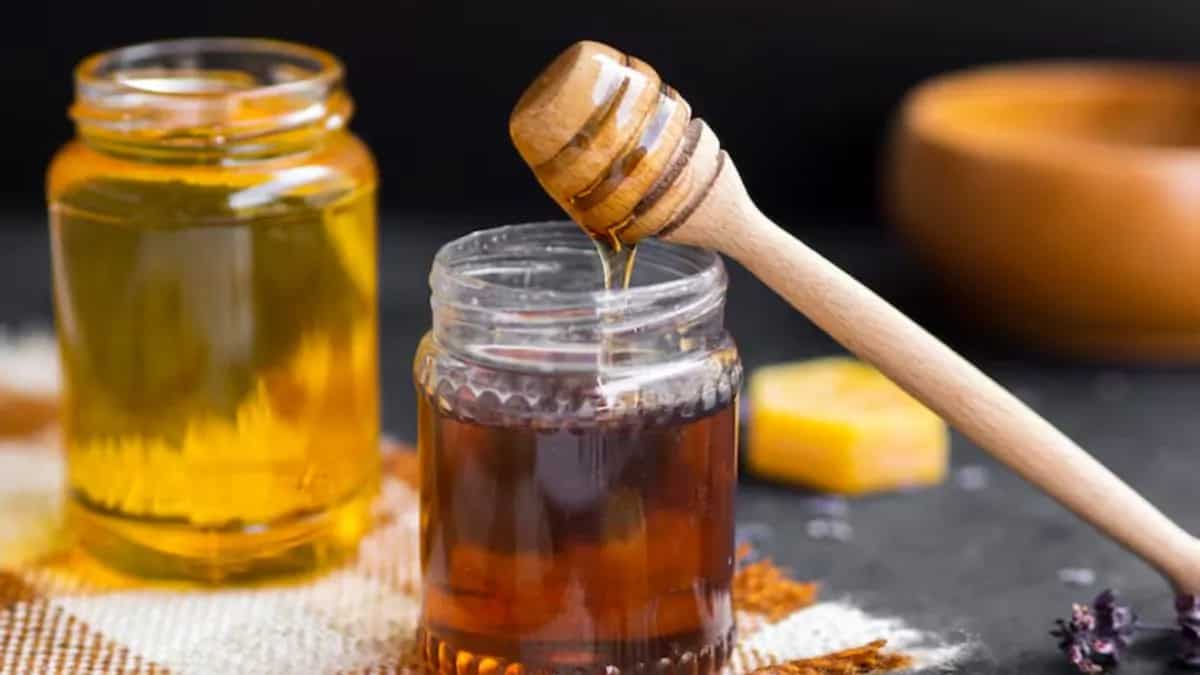
Honey works especially well in foods that do not get cooked for long, for example, yoghurt bowls, salad dressings, marinades, smoothies and drinks, where its distinctive flavour becomes evident. Its light floral taste can be lost or changed when exposed to high heat for extended periods, so it is often more useful as a finishing sweetener than as a direct replacement in every cooked recipe.
Honey also has a distinct flavour, which works perfectly with ingredients like cinnamon, nuts, citrus and yoghurt but may overpower light recipes. It still counts as added sugar when added to food or drinks, so its natural origin does not make it unlimited to use.
Dates And Date Paste: When You Need Sweetness And Binding
Blended dates add both sweetness and thickness, which makes them useful to use in energy bites, no-bake desserts, smoothies, oats and also some baked recipes. Their sticky consistency helps hold together laddoos and nut-based snacks, lowering the need to use sugar syrup. There is a reasonable difference to note between whole dates, date paste and date syrup. Using whole or blended dates maintains the fibre of the fruit, whereas date syrup is a more concentrated sweetening element. For recipes like stuffed dates, nut bars or no-bake bites, the fruit itself can thus do more than just add sweetness.
Coconut Sugar: Choose It For Its Flavour
Coconut sugar can be used to add to coffee, porridge, desserts, sauces and baked foods when a dark, caramel-like taste suits the recipe. It acts more like coarse sugar than options like dates or honey, so it can be suitable in recipes that rely on dry sugar. The main advantage of coconut sugar is the flavour it adds and the way it fits into recipes that already use granulated sugar. It is best chosen when that slightly deeper taste is desirable.
(Image credit: Freepik)
Stevia: When The Goal Is To Reduce Sugar
Stevia is separate from the other options because it is a high-intensity sweetener, not just another form of sugar. Small quantities can provide sweetness in tea, coffee and in some beverages while helping lower the amount of sugar added to them. The important limitation is that sugar does much more than sweeten food. It adds bulk, moisture, browning, caramelisation and structure, especially in baking and confectionery. It is therefore better suited to recipes where sweetness is the main role of sugar, instead of preparations like caramel, jam or traditional mithai that rely on sugar for structure. FSSAI has permitted it as a high-intensity sweetener among tabletop sweetening agents.