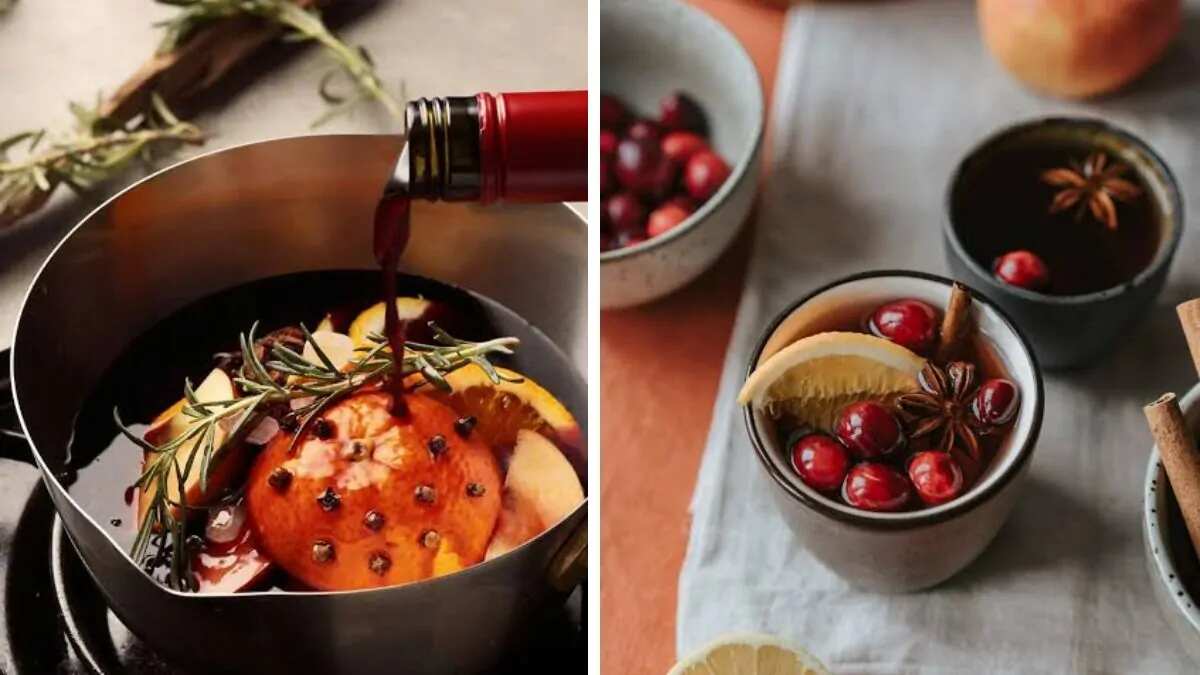
The roots of mulled wine stretch deep into European history, reaching back to the ancient Romans, who first warmed their wines with herbs and spices. It began as a way to preserve wine during the cold months and soon became a winter staple, spreading across regions with each culture leaving its own mark. In medieval England, the drink was sweetened with honey and called Ypocras; in Germany, it evolved into Glühwein, served in bustling winter markets; while in the Nordic countries, it took the form of glögg, often enriched with almonds and raisins. Each version carried the same intention, to bring warmth to long evenings and to turn an ordinary drink into something celebratory.
Image credit: Pexels
When the idea travelled beyond Europe, it adapted to new climates and ingredients. In India, where winters are shorter and milder, mulled wine has found a different expression. It fits perfectly into the rhythm of late-night gatherings, quiet dinners, or festive evenings spent with friends. The spices that form the base of the drink, cinnamon, cloves, pepper, cardamom, are already part of Indian kitchens, making it familiar yet exciting to prepare. What makes mulled wine special is its patience: the slow simmering that lets the flavours open gradually, filling the room with a fragrance that feels both old and comforting. Preparing it at home can be an act of creativity and reflection, one that brings together ingredients from across cultures while staying simple and approachable.
Below are six thoughtful variations, each designed for Indian homes and climates, some deeply traditional, others playfully modern, yet all connected by their warmth and sense of togetherness.
1. Classic European Mulled Wine With A Local Touch
The traditional European recipe begins with a full-bodied red wine, warmed gently with citrus and spices. To bring this classic closer to Indian sensibilities, start with one bottle of Shiraz or Cabernet Sauvignon and pour it into a thick-bottomed pan. Add one sliced orange, four whole cloves, two cinnamon sticks, and two star anise pods. Replace the usual sugar with one and a half tablespoons of grated jaggery, which adds not only sweetness but also depth and a faint caramel note. Drop in six or seven black peppercorns for warmth that lingers on the palate.
Image credit: Pexels
Allow the mixture to heat slowly for about twenty minutes, never letting it boil. Stir occasionally so the jaggery dissolves fully, releasing its earthy sweetness into the wine. Once the aroma of spice and citrus fills the air, strain and pour into heatproof glasses. Garnish with an orange slice or a stick of cinnamon for a simple, rustic finish. This version respects its European roots yet feels distinctly local, with jaggery and pepper bringing an understated complexity that makes the drink richer and rounder. It pairs effortlessly with cheese, roasted nuts, or even mild Indian snacks such as aloo tikkis or paneer bites.
2. Kashmiri Kahwa-Inspired Mulled Wine
This version draws inspiration from Kashmir’s celebrated kahwa tea, known for its luxurious blend of saffron, almonds, and green cardamom. The flavours translate beautifully into a red wine base, creating a drink that feels both sophisticated and familiar. Use one bottle of Merlot and warm it with six crushed cardamom pods, a small cinnamon stick, and a few strands of saffron. Add a tablespoon of honey for a smooth sweetness. Let the mixture steep gently on low heat for fifteen to twenty minutes until the saffron begins to tint the liquid a soft gold.
Image credit: Unsplash
When ready to serve, drop in a few thin almond slivers and allow them to soften slightly in the warm wine. The scent of saffron, when combined with red wine, feels almost ceremonial, a meeting of two distinct worlds. The drink holds a delicate balance between spice and perfume, making it a refined choice for evening gatherings. It works beautifully with mezze platters, spiced nuts, or warm appetisers. In Indian homes, this version feels particularly festive, echoing the flavours of traditional teas and sweets, yet presented in a modern, continental form.
3. Citrus And Ginger Mulled Wine
For those who prefer a fresher, lighter note, the combination of citrus and ginger offers brightness and energy. Take one bottle of red wine such as Zinfandel and combine it with one sliced orange, half a lemon, one tablespoon of grated fresh ginger, four cloves, and a piece of cinnamon. Add honey or maple syrup for a smooth, rounded sweetness. The ginger provides warmth while cutting through the acidity of the citrus, making the flavour lively and balanced.
Image credit: Pexels
Simmer the mixture over low heat for fifteen minutes, then turn off the flame and let it rest for ten minutes. The resting time is crucial, as it allows the oils from the citrus peel and the heat of the ginger to deepen. When strained, the wine takes on a bright, inviting aroma. This variation suits Indian winters well because it feels warming without being heavy. It pairs easily with vegetarian dishes like grilled vegetables or roasted chickpeas and works just as well as an evening drink before dinner. For those who enjoy subtle spice, a few slices of fresh ginger in each glass add both fragrance and flair.
4. Apple And Cinnamon Mulled Wine
Apple and cinnamon bring together two of the most recognisable winter flavours. To prepare, pour one bottle of red wine into a pan with one cup of apple juice or cider. Add two cinnamon sticks, four cloves, a pinch of nutmeg, and two thin slices of fresh apple. Stir in a tablespoon of brown sugar or honey for balance. Heat slowly, allowing the spices to release their scent and the apple juice to add a soft fruitiness.
Image credit: Unsplash
After about twenty minutes, strain and serve the drink hot. The result feels indulgent yet simple, a mix of sweet, spiced, and slightly tart flavours that recall baked apples and caramel. It’s the kind of drink that fits comfortably at the end of a meal, when the pace of the evening slows down. This version also pairs well with light desserts such as tarts or puddings. For presentation, float a thin apple slice on the surface or serve with a cinnamon stick to stir. It’s a drink that feels familiar and festive, especially for gatherings where comfort takes precedence over formality.
5. Rose And Rosé Mulled Wine
Among all variations, this one carries the most delicate and unexpected flavour. Instead of red wine, choose a dry rosé, something floral but crisp, such as a Grenache or Pinot Noir rosé. Pour the bottle into a saucepan and add three or four green cardamom pods, one small stick of cinnamon, two cloves, and a few dried rose petals. For a gentle floral note, add half a teaspoon of edible rose water or a few drops of rose essence. Stir in one tablespoon of honey to round out the flavour.
Image credit: Unsplash
Warm this mixture over very low heat for around fifteen minutes, ensuring that the rose fragrance remains intact. Strain and pour into glass mugs or ceramic cups. Garnish with a few rose petals or a thin slice of lemon for colour. The result is elegant and perfumed, a drink that feels both modern and distinctly Indian. The rosé creates a lighter texture, while the rose petals and cardamom add depth. This version works beautifully for afternoon gatherings or more formal dinners where presentation matters. Served alongside cheese boards, dry fruits, or mildly spiced starters, it stands out for its refined charm and unexpected delicacy.
6. Spiced White Wine For A Refreshing Alternative
For those who enjoy subtler drinks, mulled white wine offers a refreshing contrast to the traditional red. Use a dry white wine like Sauvignon Blanc or Chenin Blanc. Add one strip of orange peel, four cloves, a small cinnamon stick, and a sprig of fresh thyme or basil. Stir in one tablespoon of honey and let it heat gently for about fifteen minutes. The herbs release their fragrance slowly, blending with the citrus and giving the drink a clean, aromatic edge.
Image credit: Pexels
Once strained, the drink feels crisp and slightly tangy, making it ideal for milder evenings or daytime gatherings. It pairs easily with seafood, cheese platters, or light Indian snacks. The herbal note sets it apart from richer versions, offering something refreshing yet still seasonal.
Tips For Making Mulled Wine At Home
The key to perfect mulled wine lies in patience and temperature control. Always heat slowly and avoid boiling, as boiling evaporates the alcohol and dulls the flavour. Use whole spices instead of powdered ones for clarity and gentle infusion. If preparing for guests, make the mix ahead of time and warm it just before serving. Non-alcoholic versions can be made using black grape or cranberry juice, following the same method and spices.