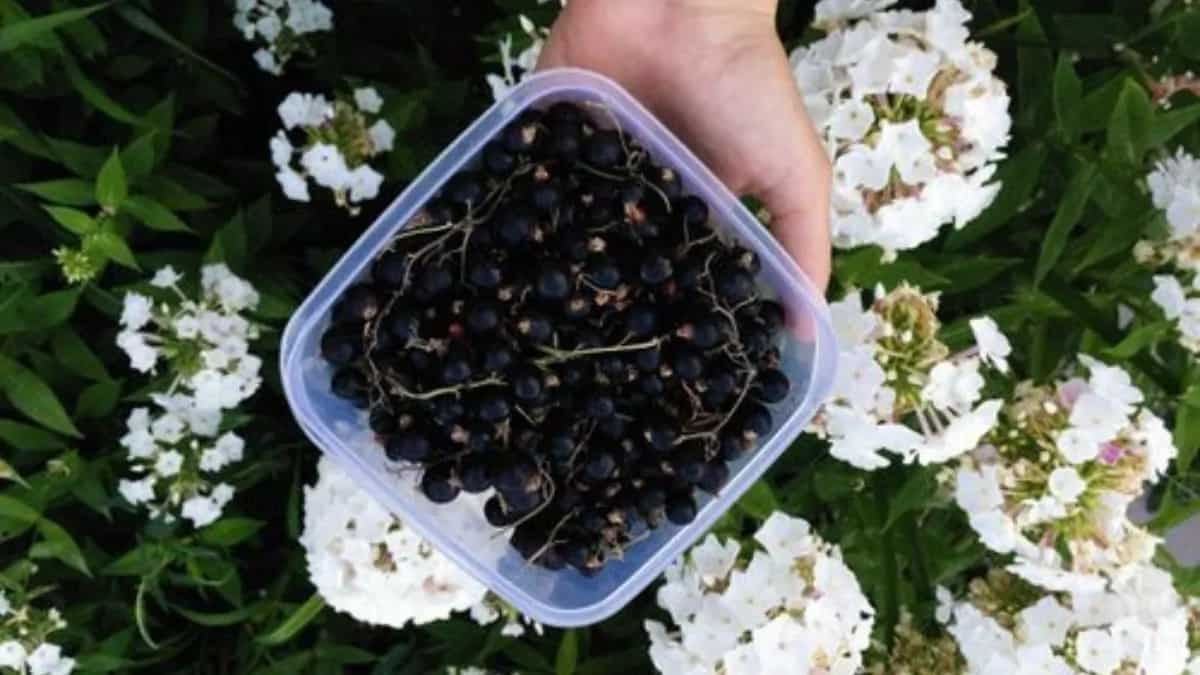
As the heavy monsoon rains recede and the autumn air turns crisp across the northeastern landscapes of India, the highlands of Meghalaya undergo a breathtaking transformation. Hillsides are festooned with delicate pink blossoms and laden with clusters of deep purple fruit that signal the arrival of the Sohiong berry season. This fleeting natural phenomenon lasts for merely six weeks, offering a brief window for locals and foragers to gather a fruit that is deeply intertwined with the identity of the Khasi and Jaintia Hills. Far removed from commercial orchards, these berries grow entirely wild, drawing sustenance from pure rainwater and rich mountain soil. The resulting harvest yields a fruit profile defined by rich sweetness and a balanced tartness that captivates anyone fortunate enough to taste it during its peak ripeness. The entire landscape moves from the torrential downpours of summer into a serene, golden-hued period where community life revolves around the bounty of the forest. Village paths become lined with baskets overflowing with these glossy, dark globes, filling the cool mountain breeze with a subtle, fruity fragrance that heralds the changing of the seasons.
Understanding The Botanical Identity Of Prunus Nepalensis
Scientifically known as Prunus napaulensis or Prunus nepalensis, the Sohiong berry belongs to the Rosaceae family and is commonly referred to as the Nepalese wild cherry or Himalayan wild cherry. This underutilised indigenous tree species thrives in the temperate and subtropical regions of the Himalayas, typically flourishing at altitudes ranging from one thousand to two thousand five hundred metres above sea level. The tree produces dense clusters of small, round fruits that transition from green to a striking dark purple or near black hue as they mature between August and November. Unlike cultivated stone fruits that require intensive agricultural inputs, chemical fertilisers, and artificial irrigation, Prunus nepalensis maintains its resilient wild character. The bark is rugged, the leaves are elliptically shaped with finely serrated margins, and the pulp is succulent, deeply coloured, and packed with natural pigments and bioactive compounds that give the fruit its distinctive appearance and robust health properties. Botanists and horticulturists continually study this species for its remarkable adaptability to acidic mountain soils and erratic weather patterns.
Also read: Food In A Matrilineal Society: Khasi Feasts, Community Cooking & Everyday Meals In Meghalaya
Cultural Heritage And Traditional Foraging In The Khasi And Jaintia Hills
For generations, the indigenous communities of Meghalaya have maintained a harmonious relationship with their surrounding forests, viewing them as living ancestors rather than mere resources. Foraging for wild berries is not merely a subsistence activity but a cherished seasonal tradition passed down through families. Elders and children alike venture into ancestral woodlands to harvest the ripe fruits by hand, ensuring that branches remain undamaged for future growth cycles. This intimate knowledge of the land reflects a profound respect for forest ecosystems and seasonal cycles. The local name Sohiong translates simply to black fruit in the Khasi language, capturing the essence of its striking appearance. Communities celebrate this brief harvest period with communal gatherings where fresh berries are shared, consumed raw with a sprinkle of salt and chilli to accentuate their natural tanginess, or set aside for traditional preservation methods that have stood the test of time. Folk songs and oral histories often reference the abundance of the forest during these months, cementing the berry as a pillar of local identity.
Culinary Applications And Local Uses Across Meghalaya
In traditional Khasi households, the culinary applications of the Sohiong berry extend far beyond fresh consumption. Because the harvest window is remarkably short, preservation techniques have evolved over centuries to capture the vibrant flavour profile for the rest of the year. Traditional cooks transform the tart and sweet pulp into homemade jams, jellies, and preserves that accompany local breads and porters during cold winter mornings. The natural acidity of the fruit lends itself exceptionally well to spicy chutneys and relishes, providing a sharp zing that invigorates heavy meat and rice meals. Furthermore, local artisans use the deep purple juice as a natural food colourant, imparting a rich reddish-violet hue to various indigenous sweet preparations, ceremonial dishes, and festive baked goods. The versatility of the fruit in everyday cooking demonstrates the ingenuity of mountain communities who make full use of every seasonal offering without relying on processed additives.
Crafting Artisanal Fruit Wines From Indigenous Harvests
One of the most celebrated domestic applications of the Sohiong berry in Meghalaya is the time-honoured art of home winemaking. As autumn peaks, households across Shillong and rural hamlets gather large quantities of the ripe fruit to ferment into artisanal berry wine. The process is a labour of love, involving careful washing, crushing, and natural fermentation over several weeks or months in large glass or ceramic vessels. Unlike commercial grape wines, Sohiong wine boasts a distinctively robust profile, combining earthy undertones with a fruity sweetness and a smooth, warming finish that lingers pleasantly on the palate. This homebrewed tradition has gained significant popularity across generations, becoming a staple beverage during festive celebrations, winter gatherings, and local cultural events across the region. Families often guard their secret recipes jealously, adjusting sugar ratios and fermentation times to achieve the perfect balance of alcohol, acidity, and residual fruit sweetness.
Modern Innovation In Craft Spirits With Cherrapunji Gin
In recent years, the Sohiong berry has transitioned from domestic kitchens and village markets into the spotlight of modern Indian craft distilling. Producers such as Cherrapunji Gin have harnessed the elusive mountain berry to create groundbreaking expressions like the Sohiong Berry Edition. Distilled from pristine rainwater and paired with complementary botanicals such as wild cherry blossoms, taro root, and chamomile, this gin highlights the unique terroir of Meghalaya. The berries infuse the spirit with a natural pink blush and a sweet-tart flavour profile that respects the raw integrity of the ingredient. By collaborating directly with local foragers, these distilleries ensure sustainable sourcing while elevating indigenous ingredients onto national and global drinking platforms. This modern fusion of ancient foraging traditions with contemporary distillation science opens new economic avenues and redefines how consumers perceive regional Indian spirits.
Nutritional Profile And Health Benefits Of The Himalayan Wild Cherry
Beyond its exceptional culinary and beverage applications, the Sohiong berry is a nutritional powerhouse packed with health-promoting compounds. Scientific studies confirm that Prunus nepalensis is exceptionally rich in natural antioxidants, anthocyanins, polyphenols, and dietary fibre. These bioactive compounds help combat oxidative stress, reduce cellular inflammation, and support overall cardiovascular health. Traditional knowledge systems and modern nutritional research alike highlight the therapeutic potential in bolstering immune function and promoting liver health through regular dietary intake. Incorporating these wild-harvested berries into daily diets provides essential micronutrients, making them a valuable resource for rural nutrition and dietary diversity in the northeastern region. The vibrant pigmentation that gives the fruit its deep purple shade is a direct indicator of its high concentration of protective plant chemicals, which ward off environmental damage and aging at a cellular level.
Economic Potential And Sustainable Livelihoods For Local Communities
The growing recognition of the Sohiong berry presents significant economic opportunities for rural farmers and foragers in Meghalaya. Traditionally, much of the wild harvest went unutilized or spoiled due to a lack of cold storage and processing infrastructure in remote hill districts. However, rising demand from commercial beverage brands, local wineries, and specialty urban markets has transformed the humble fruit into a valuable cash crop. Government initiatives and agricultural programmes are now focusing on scientific orchard management, value addition, and proper packaging techniques. By establishing reliable supply chains between rural gatherers and urban enterprises, the Sohiong economy is helping generate sustainable supplementary incomes for tribal families, empowering women who traditionally lead the foraging and local selling efforts, and reducing migration from rural hills to crowded urban centres.
Ecological Balance And Biodiversity Conservation In The Highlands
Sustainable utilisation is paramount when dealing with wild-grown forest products. Because Sohiong trees are not conventionally farmed on industrial monoculture plantations, their survival depends entirely on the preservation of native forest habitats in the Khasi and Jaintia Hills. Over-harvesting, unscientific branch snapping, or rampant deforestation poses a direct threat to the availability of Prunus nepalensis. Conservationists, village councils, and local governing bodies are actively promoting responsible foraging guidelines, ensuring that harvesters leave enough fruit on the trees for natural seed dispersal and regeneration by local fauna. Protecting these wild trees also safeguards the broader Himalayan ecosystem, preserving crucial habitats for diverse flora and fauna that share the misty mountain slopes, ensuring that future generations can witness the autumn spectacle of the purple harvest.