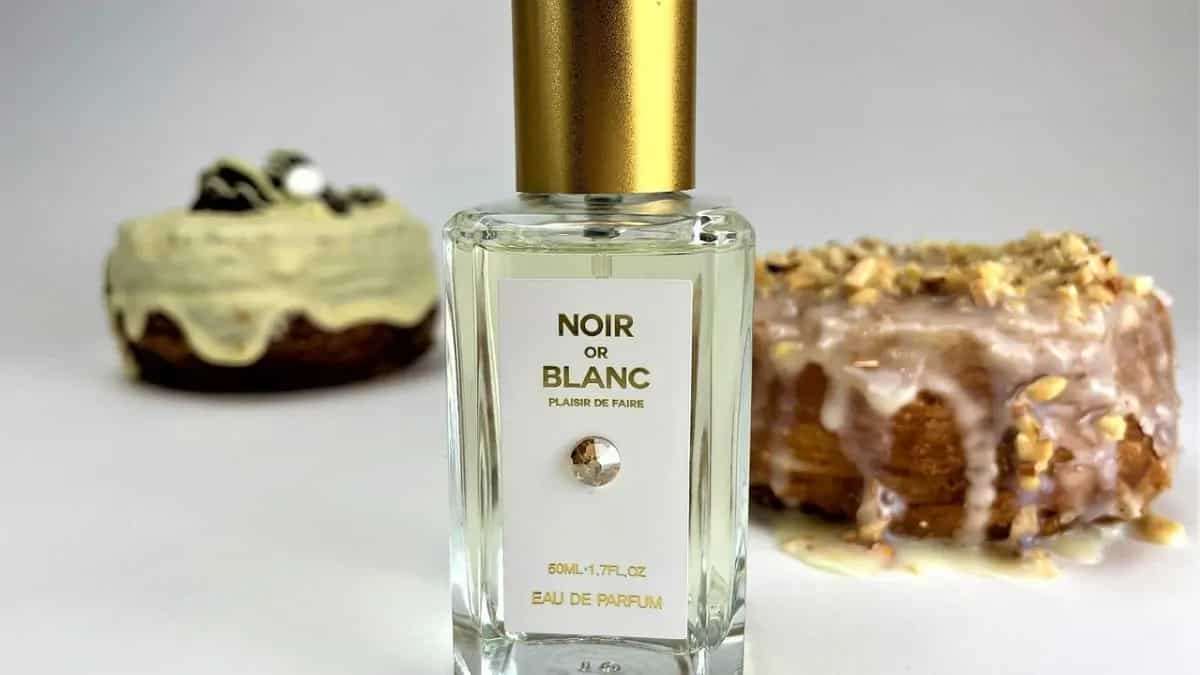
In the past, perfume was that invisible string that wrapped around you, and people turned their heads towards you as if a bottle of memories had opened up straight from their kitchens. These days, perfumes read more like a menu. Some are zesty, citrusy, hazelnutty, sweet, mulled or maybe smoky. Basically, it’s a scent that evokes a flavour in your mind right away. Once a niche phenomenon, the term you’re looking for is ‘gourmand’ perfumes. This has developed into a trend that’s all or nothing. The idea behind these perfumes is heavily focused on transforming perfumes into bites of nostalgia that are accessible to everybody.
Image Credit: Pexels
Tonka bean, saffron and vanilla have been used in perfumes for generations, so this combination of flavour and aroma is nothing new. The way that companies are transforming food into narratives rather than just nutrients is novel. Every scent begins with meticulous extraction or distillation, which captures the spirit of a fruit, spice, or confection. The sparkling zest of a lemon, the warmth of roasted cardamom or the creamy smoothness of pistachios are all meticulously converted into tiny aromatic molecules that your nose interprets as memories.
That's because the two senses are eternally connected. Your brain's pleasure centres are activated by a single sniff, just like when you bite into a slice of rich chocolate cake or a warm gulab jamun. Gourmand perfumes capitalise on this relationship by fusing international influences like hazelnut, caramel and citrus peel with Indian favourites like rose, saffron, and sandalwood. A perfume could take you back to your childhood kitchen, to a bright Parisian bakery, or to a busy Kochi spice market. Not only is food in scent tasty, but it's also a story in a bottle, a quick way to relive memories, and an excellent branding tool these days.
A Brief History Of Gourmand Perfumes
The amber notes (previously Oriental) that gained popularity in the 1990s gave rise to these perfume formulas, which are aromatic delights. The first gourmet perfume, Guerlain Shalimar, was developed in 1925 and is well known for using a lot of vanilla. The first gourmet scent to be shown on a fashion show runway was Thierry Mugler's Angel eau de perfume, created in 1992. These scents frequently bring back fond memories, such as holiday sweets, cosy cafés, or home-baked cookies. According to science, gourmand fragrances seem like a ‘guilt-free dessert’ because they activate the brain's addictive mechanism by releasing endorphins. Finding the perfect balance between decadence and subtlety to keep the perfume wearable and welcoming is one of the difficulties in producing alluring gourmet fragrances. A delectable yet elegant scent that captivates the senses without overpowering them is produced by a skilful blending of contrasting materials, such as sweet and spicy notes or fruity and creamy touches. Gourmet fragrances can be enhanced by adding flowery components like rose or jasmine. These flowery fragrances can counterbalance the sweetness and provide a more nuanced, varied perfume.
Image Credit: Pixabay
The Invisible Thread Of Sense & Smell
“Ninety-five per cent of what we perceive as taste is, in fact, smell. So if a brilliant chef has a proper nose, he can create the intellectual and magical dining experience just on scent alone. As a perfumer opening up the door to synthetic and natural gourmand fragrances, we have the capacity to create complex, heady and nostalgic experiences that can develop and create an infatuation within the olfactory system,” shares Bee Shapiro, Founder of Ellis Brooklyn, to First For Women. According to Guien, customers are increasingly looking for fragrances that complement their moods, feelings, and sense of style. “People tend to gravitate towards perfumes that not only complement their outfits but also evoke specific feelings, such as happiness, comfort, or even nostalgia, as they expand their fragrance wardrobes," she says. "With their sweet, dessert-like notes, gourmand fragrances effortlessly serve this purpose, often evoking a sense of joy and indulgence."
Image Credit: Pexels
Don't confuse gourmands with only sugary fragrances, even though they may have sugary undertones. According to expert perfumer Erwan Raguenes, the best gourmand perfumes instead provide an experience. “Gourmand fragrances go a step further by incorporating elements that evoke the sensory experience of enjoying desserts or other culinary treats,” he tells Marie Claire. They're known for conjuring confidence, comfort, and, most especially, nostalgia, which is what makes them so popular, according to Demi Rawling, a content creator and founder of the fragrance-discovery app Sniff. As she explains, “The allure of these scents lies in their ability to combine the past and present, creating a comforting experience for anyone who wears them.”
As smell and taste become more interconnected, perfumery becomes more than just a beauty touch; it becomes a state of mind, an auditory conversation, and an emotionally charged experience. Fragrance houses are dishing up experiences by utilising the evocative power of cuisine. The future of smell appears to be at the very edge of the tongue, whether it's a hint of caramelised sugar or the green sting of basil.
Image Credit: Pexels