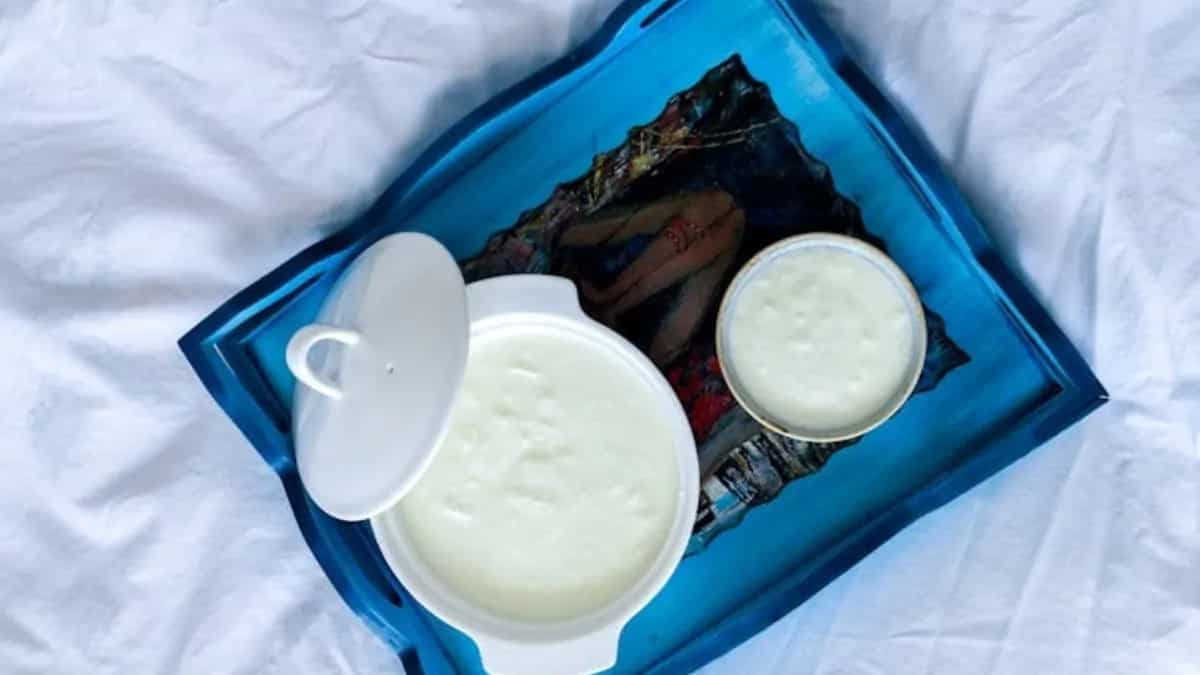
The global fitness wave has officially reached Indian shores, and with it comes a heightened focus on protein. For a country where a significant portion of the population is vegetarian, finding high-quality protein sources that do not involve supplements can be a challenge. Enter Skyr, the Icelandic superfood that is currently making waves in urban Indian grocery aisles. While it might look like a thicker version of your daily bowl of curd, Skyr is a distinct culinary beast with a history stretching back over a thousand years to the Viking age.
Image credit: Pexels
The Viking Legacy In An Indian Bowl
Skyr is a traditional Icelandic cultured dairy product. While the world treats it as a yogurt because of its creamy consistency and fermented nature, it is technically classified as a fresh acid-set cheese. This distinction comes from the traditional production process which involves straining the liquid whey much more aggressively than standard yogurt. The result is a product that is remarkably thick, naturally fat-free, and incredibly high in protein. In Iceland, Skyr has been a dietary staple since the settlement of the island. For modern Indians looking to bridge the protein gap in their diets, it offers a refreshing alternative to the usual staples of paneer and dal.
Image credit: Pexels
Skyr Vs Greek Yogurt Vs Dahi
To understand why Skyr is gaining such a reputation, it is helpful to compare it to the dairy products we already know. Below is a breakdown of how it stacks up against Greek yogurt and our beloved home-made Dahi.
1. Dahi (Indian Curd)
Dahi is the foundation of the Indian meal. It is made by fermenting boiled milk with a starter culture. It is usually not strained, meaning it retains all its whey. This makes it thinner and lower in protein density compared to its international cousins. While Dahi is excellent for digestion and cooling the gut, it rarely provides more than 3 to 4 grams of protein per 100 grams.
Image credit: Pexels
2. Greek Yoghurt
Greek yoghurt is made by straining regular yoghurt to remove some of the whey. This process concentrates the protein and creates a thicker texture. It usually contains around 8 to 10 grams of protein per 100 grams. However, Greek yoghurt often retains a bit of fat unless specifically made with skimmed milk, and it has a signature tartness.
Image credit: Pexels
3. Skyr
Skyr takes the straining process several steps further. It requires nearly four times the amount of milk to produce one cup of Skyr compared to one cup of regular yoghurt. This results in a protein powerhouse, often boasting 11 to 15 grams of protein per 100 grams. Unlike Greek yogurt, Skyr is traditionally made with skimmed milk, making it naturally fat-free. It also has a milder, slightly sweeter flavour profile compared to the sharp tang of Greek yoghurt.
How Skyr Is Made
The journey from milk to Skyr is a meticulous one. The process begins with skimmed milk, which is heated to a high temperature to kill any existing bacteria and denature the proteins, ensuring a firm set.
Once the milk cools to around 40 degrees Celsius, a bit of existing Skyr (the starter culture) is added. This starter contains specific active bacteria, primarily Streptococcus thermophilus and Lactobacillus bulgaricus. In traditional Icelandic methods, a small amount of rennet might also be added to assist the curdling, though many modern commercial versions skip this to keep it vegetarian-friendly.
The mixture sits for several hours until it thickens. Then comes the most crucial part: the straining. The mixture is filtered through fine cloths or industrial separators to remove the whey entirely. What remains is a dense, silky concentrate. Because so much liquid is removed, the nutrients that stay behind, particularly the milk proteins, are highly concentrated.
Health Benefits For The Indian Lifestyle
Skyr is more than just a trend; it offers specific advantages for the Indian physiological and dietary context.
A Protein Powerhouse for Vegetarians
The primary challenge for an Indian vegetarian diet is the lack of lean protein. Skyr provides a massive dose of protein without the added fats or carbohydrates found in pulses or paneer. This makes it an ideal tool for muscle repair and metabolic health.
Weight Management and Satiety
Because of its high protein density and thick texture, Skyr is incredibly satiating. Consuming a small bowl can keep hunger at bay for hours, reducing the urge to reach for fried snacks or biscuits during tea time.
Bone Health
Like all dairy products, Skyr is rich in calcium. For a population with a high prevalence of Vitamin D deficiency, which impacts calcium absorption, having a concentrated source of dietary calcium is vital for maintaining bone density and preventing osteoporosis later in life.
Probiotic Benefits
Skyr is teeming with live cultures. These beneficial bacteria help maintain a healthy gut microbiome, which is essential for immunity and smooth digestion, especially if your diet includes a variety of spices and complex grains.
Image credit: Pexels
Incorporating Skyr Into Your Daily Diet
You do not need to eat Skyr straight from the tub to enjoy its benefits. Its neutral, mild flavour makes it incredibly versatile in an Indian kitchen.
• The Power Breakfast: Replace the malai or dahi in your breakfast bowl. Top Skyr with a handful of walnuts, some local honey, and seasonal fruits like mango or pomegranate.
• High-Protein Raita: If you find regular raita too thin, use Skyr. Whisk it with a little water or coconut water to reach your desired consistency, then add roasted cumin, black salt, and grated cucumber. It creates a rich, velvety side dish that feels indulgent but is purely healthy.
• A Healthy Swap for Cream: Many Indian gravies, such as Dal Makhani or Shahi Paneer, rely on heavy cream for texture. You can stir in a dollop of Skyr at the very end (off the heat to prevent curdling) to get that same richness with a fraction of the calories.
• Smoothies with Substance: Instead of using protein powders that can sometimes have an artificial aftertaste, blend Skyr into your fruit smoothies. It provides a natural, whole-food protein boost that creates a milkshake-like thickness.
• The Evening Snack: Mix Skyr with a bit of chaat masala and use it as a dip for carrot sticks or cucumber slices. It is a far better alternative to mayonnaise-based dips.
Image credit: Pexels
A Note On Availability
While Skyr was once hard to find, several Indian dairy start-ups and international brands have launched it in major cities. When shopping, look for the plain versions to avoid the high sugar content often found in fruit-flavoured varieties. If you choose a flavoured one, check the label to ensure the protein count remains high and the sugar remains low. Skyr represents a rare intersection where ancient tradition meets modern nutritional needs. For the Indian consumer looking to evolve their diet without moving away from the comfort of dairy, this Icelandic import might just be the perfect addition to the refrigerator.