Bengal’s love for sweets goes far beyond just the celebrations and festivity; it’s woven into day-to-day life, rituals and seasonal traditions. While Rasogolla often takes the centre stage, many other lesser-known Bengali sweets run far more in-depth, layered with variations, seasonal ingredients and processes that go beyond the familiar ones.
In homes, sweet shops and gatherings, celebrations rarely stop at only one dessert. There’s always a large spread, treats that don’t travel as widely but have distinct textures, tastes and stories to tell of their own. From caramelised taste to grainy sweetness, from light chhena-based treats to jaggery-rich bites, these sweets mirror Bengal’s fine approach to the sweet indulgence.
If the moment calls for understanding Bengal beyond the obvious rosogolla, this is where to start, not with what’s famous, but with what’s loved locally.
Joynagar-er Moa
Hailing from the small town of Joynagar in West Bengal, this is a winter delicacy that is deeply connected to the seasonality. Prepared with aromatic nolen gur or date palm jaggery and khoi from the rare Kanakchur paddy, it has a soft, light texture that almost melts into the mouth as you bite into it. Unlike any thick and dense sweets, moa feels light and a bit flavourful, with the jaggery giving a smoky, caramel-like sweetness. It has a short shelf life, which only adds to its charm, making it a loved seasonal indulgence that people eagerly wait for the whole year.
(Image credit: Wikimedia Commons)
Shor Bhaaja
Shor Bhaaja is less sweet and more of a skill. Prepared by carefully collecting layers of milk cream or short, these are folded, shaped and then deep-fried until it turns golden. Once it is fried, they are soaked a bit in sugar syrup, letting the exterior turn crisp, whereas the inside remains decadent. The texture is what sets it apart, crisp from the outside, rich and velvety from within. Every bite feels indulgent without being too sugary, making it one of Bengal’s most artisanal and rare sweets, which is often reserved for special events.
Jolbhora Sandesh
Jolbhora Sandesh is prepared around surprise. Made from soft chhena, it appears like a regular sandesh from the outside, but hides a liquid centre within, traditionally filled with rose syrup or the nolen gur. The trick is in shaping it so that the syrup remains closed until the first bite, and then it gently bursts, making a contrast of textures. The outer layer is soft and lightly sweet, whereas the inside gives a sudden, fragrant sweetness. The playful, soft and embedded in culinary invention that dates back centuries.
Langcha
Hailing from Saktigarh, Lyangcha is a long, deep-fried sweet that has some similarities to the gulab jamun but feels distinctly different. Prepared from chhena and flour, it is fried to a deep brown, making a bit of a firm layer outside. Once soaked in sugar syrup, it turns soft just enough while maintaining a subtle chew. The flavour depends towards caramelised richness, all thanks to the deep frying, providing it a deeper, more intense sweetness. It’s hearty, delightful and often relished as a roadside treat or as a festive indulgence.
(Image credit: Freepik)
Mihidana And Sitabhog
These twin specialities from Burdwan are often served together, delivering a contrast of textures on the same plate. Mihidana resembles the tiny golden grains that are soft, delicate and lightly sweet, nearly dissolving in the mouth. Sitabhog, on the other hand, looks like fragrant rice but is totally sweet, prepared from fine strands of rice flour and chhena, often sprinkled with small fried pieces. Together, they make a layered experience, one granular and light, the other soft and lightly rich, displaying Bengal’s finesse with texture-driven sweets.
Lobongo Lotika
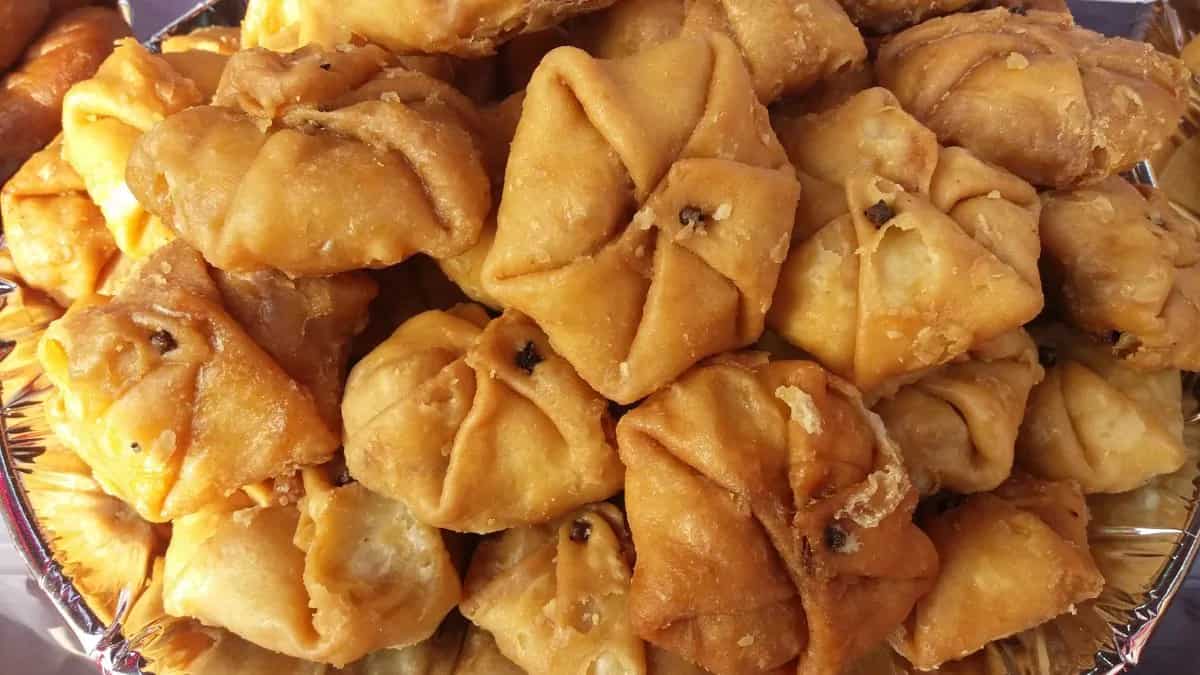
Lobongo Lotika is a festive sweet that feels like a carefully wrapped parcel. A thin dough parcel is filled with a rich, grainy kheer-like mixture, folded neatly and tied with a clove or lobongo, as called in Bengali, which also gives it a slight spice note. It is then deep-fried and soaked in the sugar syrup, letting the outer layer turn crisp, whereas the inside remains soft and luscious. The flavour is layered, having sweet, a bit spicy and extremely comforting, making it a favoured choice during the celebrations and also in the festive spreads.
Khirer Shingara
Khirer Shingara flips the idea of a savoury samosa into a dessert. The outer shell is crisp and golden, covering a rich filling of khoya, nuts and raisins that is cooked together in a thick, aromatic blend. Once fried, it is dipped in sugar syrup, adding a light sweetness without making it too sticky. The contrast between the crunchy exterior and the soft, indulgent filling makes every bite layered. It’s festive, a bit decadent and perfect when you want to have something that feels both familiar and surprising.
(Image credit: Wikimedia Commons)