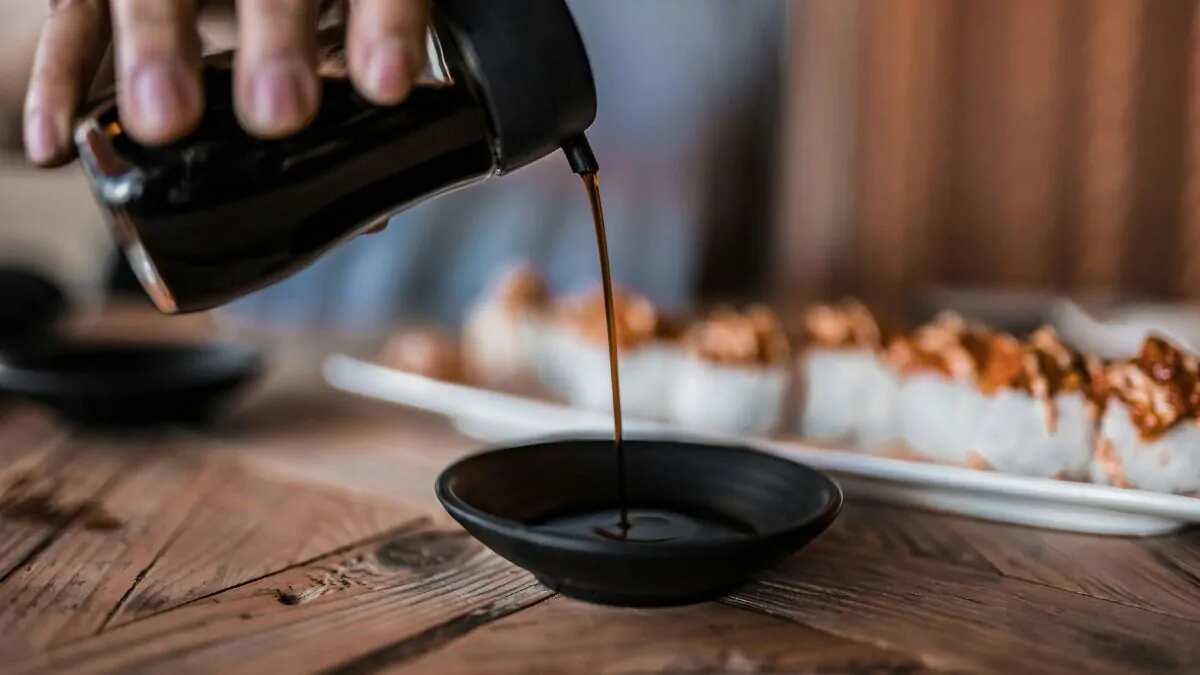
For most of us, soy sauce is a condiment that we’re largely familiar with through our tryst with Chinese food - and most recently through Japanese food, where it is used as a dipping sauce for sushi rolls. However, with the global soy sauce market valued at a whopping 48 billion, only a handful truly understand that the condiment is not meant to be consumed straight out of the bottle. The imposing umami flavour that it is best known for can be a tad too overwhelming when poured over steamed fish or tossed with rice, especially in the absence of other elements that bring additional dimension. When ‘seasoned’ prior to usage, soy sauce can transform into one of the most versatile condiments - making for the perfect topping for eggs, rice, meat or seafood.
Activate Aromatics
Image Credits: Unsplash
Ingredients such as onions, garlic and scallions are a great medium to carry the salty profile of soy sauce while also infusing it with flavour and aroma. To do this, add thinly sliced spring onions or finely chopped garlic to hot oil before pouring it into the soy sauce once they have wilted slightly or deepened in colour. Onions tend to contribute a mellow sweetness that balances the intense salinity.
Dilution
While cooking with soy sauce, it is advisable to use a balanced ratio of light and dark soy sauce, diluted with a bit of water. In an ideal ratio, light soy and water should be added in equal parts with 25% lesser dark soy to amplify the caramelised flavour from the latter and highlight the overall flavour profile and balance the seasoning of the food which it is being added to, as a way to increase the scope for additional flavours.
Also Read:
Flavour Boosters
Image Credits: Unsplash
Given how the flavour of soy sauce can be further elevated with the addition of similar umami elements, consider adding a bouillon cube, instant noodle tastemaker or even white pepper and resting it for five minutes prior to using. This is especially useful when using the condiment to season essentially bland ingredients such as shrimp or chicken, which take on the flavour from the agents they are combined with.
Infuse & Refrigerate
For long-term use or when prepping ahead of time, it is always a great idea to add dry whole spices, ginger juliennes, slices of fresh garlic or garlic granules and allow the soy sauce to imbibe the profiles of the add-ons in the fridge for a few hours before straining and using it. Pour the strained sauce over a bowl of steamed rice enriched with butter, or simply toss with some sriracha sauce into a sticky glaze for chicken wings.