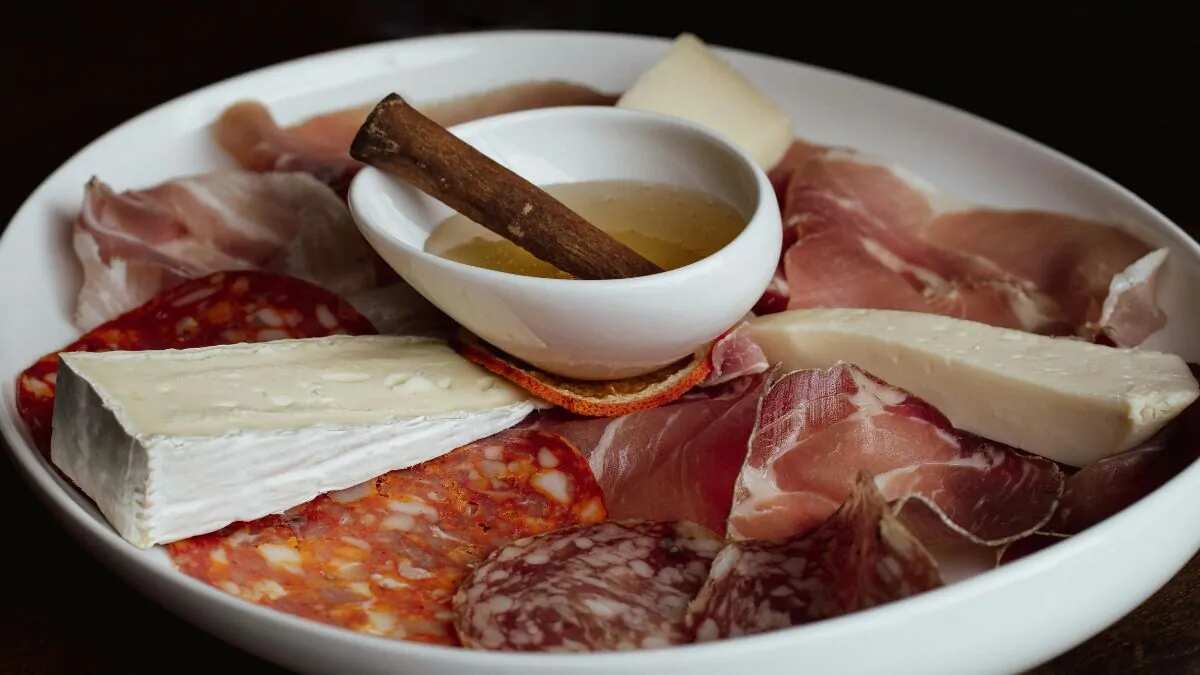
With the intent of food preservation at its core, Italian cured meats predate refrigeration, while opting to utilise elements that were naturally conducive to extending the shelf life of meat during the summer months. Considered to be the cornerstone of daily consumption as well as special occasions, the culinary art form was also characteristically different—depending on the region it originated from. Not only does the technique aid in creating multiple applications for a single ingredient, it also enables exposure to a variety of flavours and textures that are integral to a meal experience. Depending on the kind of cured meat and its geographical origins, the spices and aromatics used vary slightly—giving each one a unique identity. The Italian diet staple has since found its way into many charcuterie boards, fusion sandwiches, deli specials and high-end restaurant menus.
Salami
Image Credits: Unsplash
An elongated Italian sausage—the salami is known to be quite the popular variety of cured meat, made using ground pork combined with cubes of fat, garlic, salt and spices stuffed into a casing made using pig intestines. Typically three to four inches thick, the salamino is a finer version of the smoked sausage which is typically sliced and eaten as is. Known as pepperoni across the USA due to a higher ratio of paprika, the salamino piccante has a deeper red hue whereas the Tuscan finocchiona contains more fennel, that gives it a sweeter, milder profile.
Prosciutto
Image Credits: Unsplash
With roots in the Emilia-Romagna region of Italy, the prosciutto is one of Northern Italy’s most revered cured hams. Broadly divided into two categories, the dolce (sweet) and casalingo, Toscano or salato (homemade, Tuscan or salty)—the sweet category is said to be more refined and higher in cost. Commonly available in the Parma and San Daniele varieties, the visual marker indicates a deeper red meat with white strips in the sweeter variety and a darker red colour with pinkish fat in the salty one. Along with salt, the savoury variation of the cured meat relies heavily on the seasoning of garlic and pepper—which was originally a simple creation of salt-cured ham known as prosciutto crudo.
Pancetta
Also known as rigatino or little lined one and carnesecca or dried meat—the pancetta is made from the same cut of pork used to make bacon. Unlike bacon, the pancetta skips the smoking process and is available in two varieties—dolce (sweet) and affumicata (smoked), with a marked absence of sugar. What also makes the pancetta distinct from other cured meats is that it is used as an ingredient in other preparations such as the pasta carbonara—due to its depth of flavour from the use of garlic, salt, spices and a general amount of black pepper. The cured meat is also sold rolled and tied, known as the pancetta arrotolata—eaten as a cold cut as well as used in soups, stews, salads and sandwiches.
Also Read:
Soppressata
Image Credits: Wikimedia Commons
A Calabrian and Puglian creation—the soppressata is a spicy sausage made using leftover pork cuttings such as cartilage and meat snippets, which are stuffed into the skin of the animal. Famed for its firm texture and complex flavour, the cured meat is reflective of the agrarian lifestyle of Southern Italy. While its appearance resembles a porchetta in some ways, its acquired taste means that it might be received differently to different palates. Its bold flavours also mean that it finds its way as a topping on pizzas, in pasta sauces and stews, where vibrant, robust ingredients can make an impact. The cured meat is also used as a layer in sandwiches where it is consumed cold, while its coarse grind is also ideal for serving alongside cheeses like Provolone, on a grazing board.
Salsiccia
Image Credits: Wikimedia Commons
A type of link sausage—the salsiccia is made using ground pork, pork fat cubes, herbs and spices in three different ways. Sold raw and flavoured with fennel, garlic and pepper—the raw, fresh sausage is eaten in a sandwich once removed from its natural casing. While cooking with the meat, it is grilled in its original form or removed from the casing to be added to whole roasted chickens, pizza or as a component of a classic Italian breakfast. The salsiccia can also be sliced thinly and served in a similar fashion to the salami. Depending on the region, the spices might vary—with Southern Italian versions utilising fennel and pepper whereas the northern regions prefer adding cinnamon and garlic.
Guanciale
Image Credits: Pixnio
An air-dried variety that is often confused with pancetta, the guanciale is typically made using pork jowl and is known to have an intensely savoury flavour. The higher fat content also gives it a softer texture in comparison to the pancetta and is often used interchangeably in cooking. Typically, herbs such as sage and rosemary are utilised to cure the meat, along with salt, which is a process that continues over a period of a few months. Compared to the pancetta, the guanciale also has a shorter shelf life once cut into. Along with the carbonara, the savouriness also lends itself well to delicacies like the Amatriciana as well as soups containing legumes and vegetables.