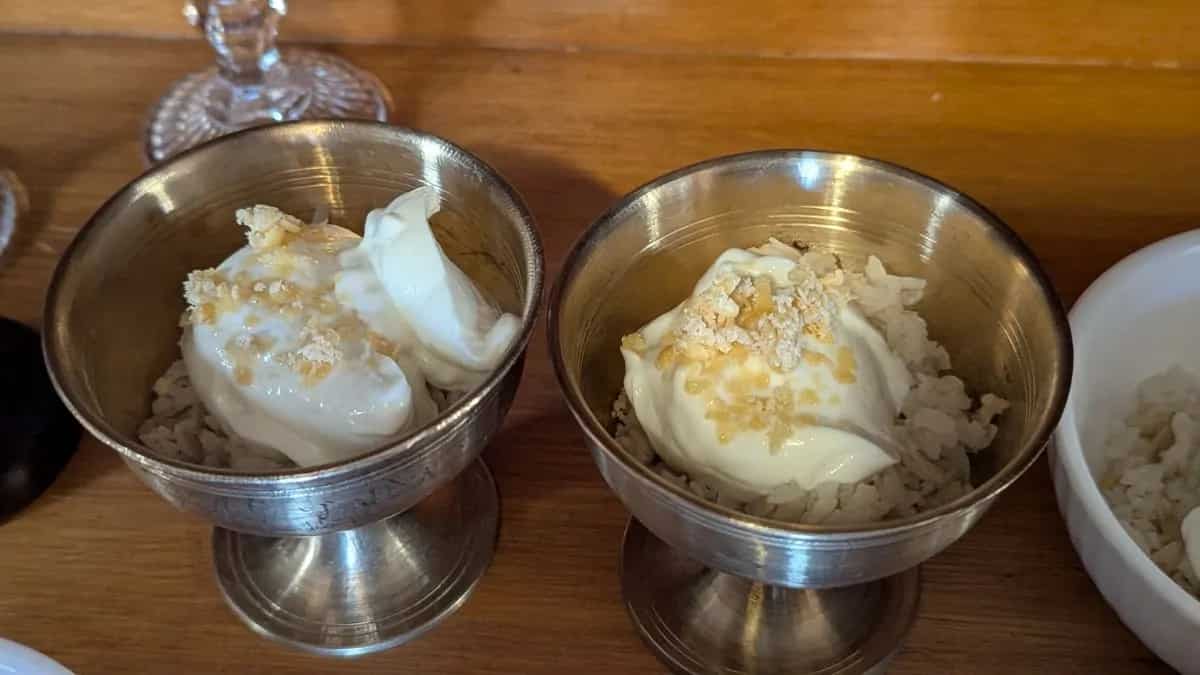
As the spring breeze carries the rhythm of the dhol across the Brahmaputra valley, the landscape of Assam undergoes a transformation. This is Rongali Bihu, the most significant of the three Bihu festivals, marking the onset of the Assamese New Year and the beginning of the agricultural cycle. While the festival is synonymous with vibrant dance and music, the culinary traditions form the very foundation of the celebrations. Central to this is the concept of Jalpan. In the Assamese household, Jalpan refers to a selection of snacks or a light breakfast, but during Rongali Bihu, it elevates into a ritualistic feast of indigenous rice varieties, dairy, and jaggery.
The Foundation Of Festive Hospitality
The beauty of the Bihu Jalpan lies in its simplicity and its deep connection to the land. Unlike many festive meals across India that rely heavily on complex frying or elaborate spices, the traditional Jalpan is a celebration of the raw, processed, and preserved forms of rice. It is a meal that requires minimal cooking but demands a deep understanding of grain processing. To understand the heart of a Bihu celebration, one must look past the heavy meals and focus on the brass plates, or Banbatis, filled with the textures of the soil.
Image credit: Wikimedia Commons
Komal Saul: The Magic Rice
One cannot discuss Bihu Jalpan without starting with Komal Saul. Often referred to as magic rice by those outside the region, Komal Saul is a unique variety that requires no boiling to become edible. The preparation involves soaking the pre processed grain in lukewarm water for a short duration, after which it softens to a delicate, fluffy consistency. This variety of rice is a testament to the ancient wisdom of the region, providing a quick and nutritious meal that is both cooling and filling. During Rongali Bihu, when the weather begins to turn warm and humid, the cooling properties of Komal Saul make it a preferred choice for guests who travel from house to house to exchange greetings.
Image credit: Assaminfo.com
Bora Saul: The Glue Of The Community
Accompanying the soft grains of Komal Saul is often the Bora Saul. This is the sticky rice of Assam, a glutinous variety that holds a sacred place in the local diet. Unlike Komal Saul, Bora Saul is usually steamed or boiled. It has a rich, nutty flavour and a chewy texture that provides a satisfying contrast to the other lighter elements of the platter. It is often served as a mound of warm, sticky grains that act as a canvas for the sweetness of jaggery and the richness of cream. The stickiness of the rice is symbolic of the social bonds that the festival seeks to strengthen, bringing families and communities together in a literal and metaphorical sense.
Image credit: Wikimedia Commons
The Staples Of Texture: Chira And Muri
Texture plays a massive role in the Jalpan experience, and this is where Chira and Muri come into play. Chira, or flattened rice, is common across India, but the Assamese version used during Bihu is often made from local aromatic rice varieties. It is thicker and more robust than the paper thin versions found in urban supermarkets. When soaked in water or milk, it retains a bit of its bite. Muri, or puffed rice, adds a light, airy dimension to the meal. These grains are the staples that ensure the Jalpan platter is accessible to everyone, from the humble farmer to the urban dweller.
Image credit: Wikimedia Commons
The Artisanal Crunch Of Hurum And Akhoi
For those seeking a more specialised crunch, the Bihu platter offers Hurum and Akhoi. Hurum is perhaps the most sophisticated of the puffed rice varieties. It is made through a laborious process of soaking, parboiling, drying, and then deep frying the grains in hot sand until they bloom into crispy, golden clouds. The result is a snack that is incredibly light yet packed with a toasted aroma. Akhoi, on the other hand, is parched paddy. It is puffed rice with the husk often partially attached, providing a rustic and earthy flavour that reminds the eater of the sun drenched courtyards where the grain was dried. These elements provide the necessary crunch that balances the softness of the soaked rice and the silkiness of the dairy.
Image credit: Freepik
The Richness Of Assamese Dairy
No Jalpan is complete without the trio of Doi, Sunga Saul, and Gur. Doi, or curd, is the lifeblood of the Assamese breakfast. During Bihu, there is a distinct preference for buffalo curd, which is significantly thicker and creamier than cow milk curd. It is often so dense that it can be sliced with a knife. This thick layer of curd is draped over the rice, providing a tartness that cuts through the sweetness of the other ingredients. In many households, the cream that rises to the top of the milk, known as Shor, is saved specifically for the Bihu guests, adding an indulgent richness to the bowl.
Image credit: Freepik
Natural Sweetness And Earthy Balance
The sweetness comes from Gur, or jaggery. In Assam, jaggery is derived from sugarcane and is often available in liquid form, known as Noni Gur, or in solid blocks. The deep, smoky notes of the jaggery tie the entire meal together. It is not just a sweetener but a flavour enhancer that brings out the floral notes of the indigenous rice. Some families also include a side of salt and ginger to provide a savoury counterpoint, though the sweet version remains the most popular during the New Year festivities.
Sunga Saul: A Fragrant Forest Tradition
Sunga Saul represents the more adventurous side of the Jalpan. This is rice cooked inside hollow bamboo tubes over an open fire. The bamboo is stuffed with sticky rice and water, then corked with banana leaves. As the bamboo chars, the rice inside steams in its own moisture, absorbing the woody, fresh aroma of the green bamboo. Once cooked, the bamboo is peeled away to reveal a cylinder of fragrant, sticky rice that is sliced into rounds and served with curd and jaggery. It is a dish that carries the scent of the Assamese forests and the warmth of the community fire.
Image credit: Assaminfo.com
The Ritual Of Guest Reception
The act of eating Jalpan during Rongali Bihu is deeply social. When a guest enters a home, they are traditionally offered a Gamosa, a handwoven towel, and a platter of these rice dishes. There is no formal sequence to the meal. One might start with a spoonful of crispy Hurum and end with a heavy bowl of Bora Saul and Doi. It is a meal that encourages slow eating and long conversation. In a world that is increasingly moving towards processed and fast foods, the Bihu Jalpan stands as a stubborn and beautiful reminder of the value of slow food and regional biodiversity.
A Reflection Of Seasonal Abundance
The ingredients of the Jalpan are a reflection of the seasonal transition. As the winter crops are harvested and the spring rains begin, the pantry is full of the grains that will sustain the people through the planting season. By consuming these traditional dishes, the people of Assam pay homage to the goddess of crops and celebrate the resilience of their agricultural heritage. Every bowl of Chira and every slice of Sunga Saul is a link to a past that valued the rhythm of nature above all else.