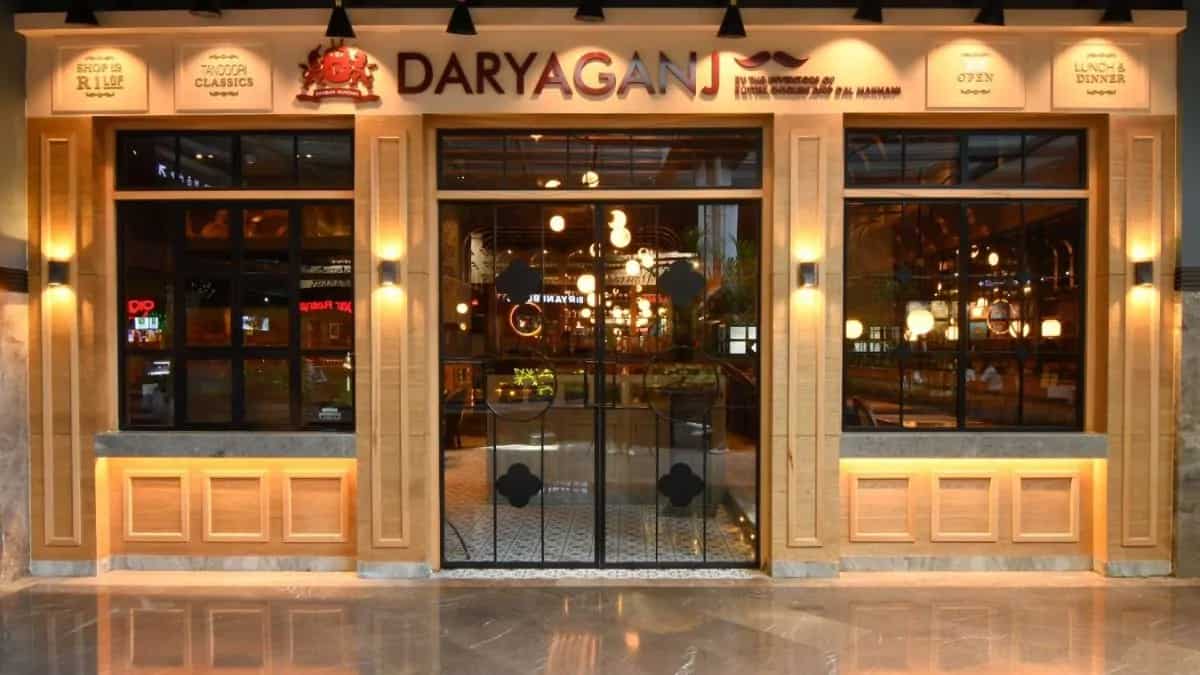
In Delhi, food often tells a history better than textbooks can convey. Long before butter chicken became a global menu and dal makhani turned into a comfort food, these dishes were born in the place that was learning how to live again after 1947. Refugee kitchens, smoky tandoors, and borrowed spaces shaped what we now know as "North Indian cuisine". The story of Daryaganj is not just about recipes or food, but it is about survival, migration, and how food has sewn a broken city back together.
In conversation with Mr Amit Bagga, Co-Founder, CEO and CMO of Daryaganj Hospitality, revisit that forgotten chapter where cooking was both a livelihood as well as hope. Today, when these dishes are served in fine dining rooms, it is easily overlooked that they once fed families who had lost everything besides their culinary skill and memory. As Republic Day is just around the corner, and the day reminds us of unity and stability, this interview explores how refugee food, i.e., dal makhani and butter chicken, evolved as a shared national taste, and why protecting its soul matters more than ever.
1. Daryaganj’s story is deeply tied to the years just after Independence. How did the spirit of a new nation shape the food your family cooked then?
Post-Independence Delhi was reconstructing itself, and food became part of it. In 1947, the population of the city changed almost overnight with the arrival of refugees from pre-Partition Punjab. They brought with them their culture, memories, and also the flavours. Until then, Delhi had very little going out and eating culture. Restaurants like Daryaganj came into light because migrants were looking for the same familiar food. These kitchens did not just serve meals, but they also introduced Delhi to the restaurant dining culture as a shared family experience. Dishes like tandoori chicken, butter chicken, and dal makhani did not exist in the world before this moment.
2. Your family is credited with creating dal makhani and butter chicken. Were these dishes born out of celebration, survival, or necessity in post-Partition Delhi?
These were born out of necessity. After 1947, thousands of refugees arrived in the city with almost nothing, bringing with them the flavours and memories of their homes in pre-Partition Punjab. My grandfather, Mr Kundan Lal Jaggi and his partners worked with simple ingredients such as lentils, butter, cream, leftover tandoori chicken, and adapted them to restaurant kitchens. Dal makhani evolved from a simple home-style dal, slow-cooked overnight in a tandoor. Butter chicken came into existence from repurposing leftover chicken into a rich, comforting gravy. What began as survival food slowly turned into celebration food, carrying the resilience and creativity of that time.
3. It’s often said your family cooked for Jawaharlal Nehru and other freedom fighters—what do you know about those meals and the role food played in those moments?
Those meals played a quiet but effective role in shaping the Indian culinary global journey. Jawaharlal Nehru would often eat the food in his car outside the restaurant. He loved it so much that the family was later invited to cater at his official state banquets. Many Global leaders tasted Indian dishes cooked fresh there, including naan, kebabs, butter chicken, and dal makhani. Many of them later visited the restaurant as well. These experiences helped Indian cuisine travel beyond borders, long before it was trendy internationally.
4. In today’s India, dal makhani is everywhere. What do you think gets lost when iconic dishes travel too far from their roots?
What often gets lost is the heart and soul of the dish. People modify recipes, making them heavier, spicier, or quicker, while forgetting why the dish worked in the first place. Dal makhani and butter chicken depend on patience, technique, and subtlety. When these things are ignored, the dish may appear familiar, but the taste gets disconnected. Preserving the original flavour is about preserving its story and culinary legacy.
5. How important is it to give credit to refugee kitchens and unsung cooks when we talk about India’s food heritage today?
It is very important. Refugee kitchens shaped what the world today identifies as Indian restaurant food. Butter chicken, dal makhani, paneer tikka- these dishes were created by people who were rebuilding their lives through food. Today, these cuisines dominate the menus across India and abroad and contribute immensely to the food economy. Giving credit means accepting that some of India’s most iconic flavours were derived from resilience, exile, and hard work.
6. Daryaganj blends old-world recipes with a modern dining format—what was non-negotiable for you while recreating this legacy?
What was totally non-negotiable was the recipes. We could modernise the ambience, service, and display, but the cooking had to remain extremely authentic. The slow cooking, the richness, the textures—everything had to remain true to the original kitchens. Our aim was not just to serve food, but to let the guests experience history on a plate, engaging all five senses.
7. On Republic Day, we celebrate unity. Do you see Punjabi food as a reminder of how migrant kitchens shaped Delhi’s shared food culture?
Absolutely. Punjabi food is a living reminder of how migrants shaped Delhi. What started as food of survival slowly evolved into the city’s shared cuisine and ultimately the world’s introduction to Indian flavours. In 1947, this was modern food for a new India. Over time, it became a tradition. That journey itself imagines unity and collective identity.
8. What does “freedom” mean in the context of cooking—staying authentic or allowing evolution?
Freedom in cooking depends on balance. Authenticity means appreciating the essence of a recipe, i.e. its technique, flavour, and history. Evolution means adapting presentation or context without cutting that essence. True freedom is when a dish can develop while still honouring where it is derived from.
9. As younger diners discover these dishes today, what do you hope they understand beyond the taste?
I hope they feel comfortable. These dishes reflect what many people grew up eating- dal, curries, paneer, all flavours tied to home and family. That familiarity makes an instant connection. Beyond just the indulgence, these dishes deliver warmth, nostalgia, and a sense of belonging.
10. If you had to describe dal makhani as a symbol of modern India—patient, resilient, or generous—what would it be, and why?
Dal makhani represents all of these three. It is patient because it requires hours to cook. It is resilient because it developed from a humble home dish to a restaurant icon. And it is generous because it is meant to be shared. Much like modern India, it reflects transformation, perseverance, and togetherness.