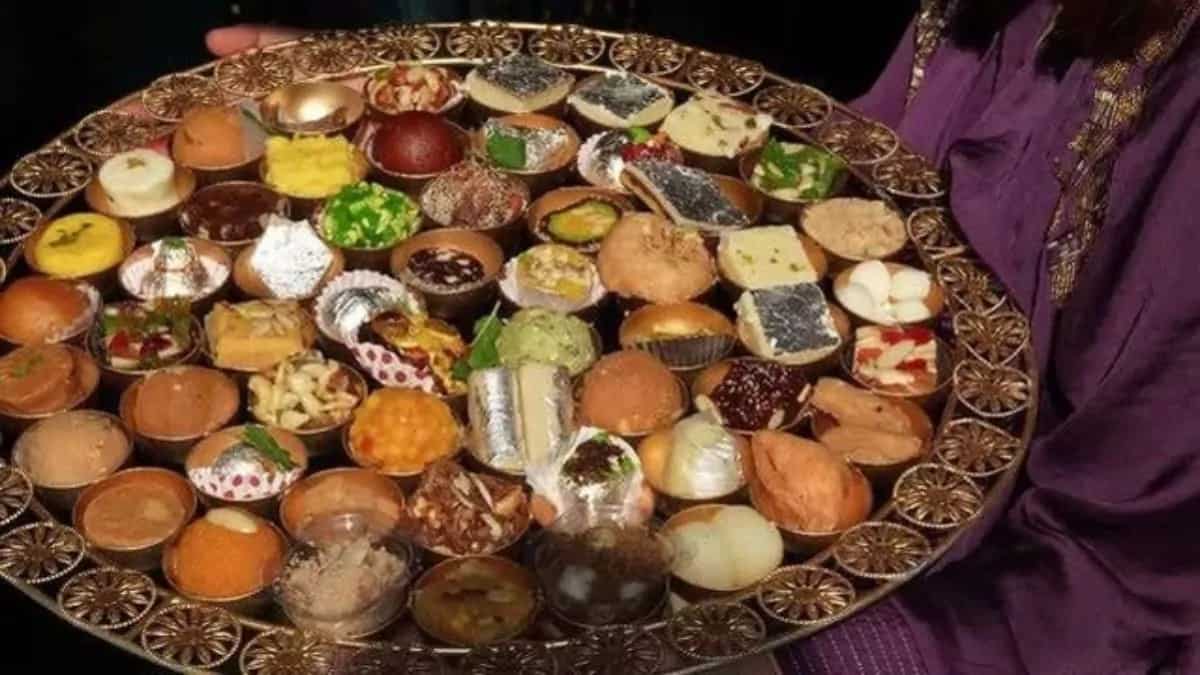
The sheer volume of food required to put together a proper offering for Rath Yatra can easily overwhelm even the most experienced home cook. You are usually juggling large quantities of rice, lentils, vegetables, and complex milk sweets all at the exact same time. Trying to manage all of these different cooking processes on a standard stovetop inevitably leads to burnt bottoms and a very messy kitchen. Relying on an Usha Steam Oven changes the entire dynamic of festive cooking because it gives you an extra, highly controlled cooking space. The appliance features several dedicated settings that handle everything from gentle steaming to slow reducing, which means you can prepare a flawless multi course bhog without having to monitor every single pot constantly.
Pure Steaming For Traditional Pithas
Making intricate rice flour dumplings filled with sweet coconut is a vital part of the festive menu but boiling them in water often makes them soggy and prone to breaking open. The dedicated steam function on your countertop oven provides a gentle and consistent cloud of moisture that cooks the delicate rice dough perfectly without any violent bubbling. You simply prepare your dough discs, stuff them generously with freshly grated coconut and jaggery, and arrange them neatly on a perforated tray. The continuous steam sets the outer shell firmly while keeping the sweet filling incredibly moist and intact, giving you perfectly shaped sweets to add to your offering plate.
Image credit: Wikimedia Commons
Slow Cooking For Rich Rice Kheer
A thick and creamy rice pudding takes a lot of patience to get right because milk has a terrible habit of scorching at the bottom of the pan if you stop stirring it for even a minute. You can completely bypass this tedious stirring by using the slow cook setting to gently reduce your milk and rice mixture over a longer period. Mix full fat milk, soaked short grain rice, sugar, and crushed cardamom in a deep heatproof dish and place it inside the oven chamber. The heavily regulated ambient temperature gently cooks the starches in the rice and slowly evaporates the excess water from the milk without ever reaching a harsh boil. This leaves you with a deeply caramelised and rich pudding that thickens beautifully as it cools down.
Image credit: Adobe Stock
Convection Baking For Crispy Khaja
Offering flaky layered pastries soaked in sugar syrup is a festival tradition, but deep frying massive batches of dough takes up a lot of time and oil. Switching to the convection baking mode allows you to achieve those signature crisp layers using dry circulating heat instead of a vat of hot oil. Roll out your thin sheets of refined flour dough, layer them with melted ghee, and tightly roll them into logs before slicing them into individual pieces. Place the raw pastries on a flat tray and let the internal fans distribute hot air evenly across the dough, causing the fat layers to expand and puff up rapidly. Once they turn a light golden colour, you just pull them out and immediately submerge them in a warm sugar syrup to soak up all that sticky sweetness.
Controlled Fermentation For Sweet Yoghurt
Setting a thick layer of sweetened curd can be incredibly unpredictable during the monsoon season because the ambient temperature in the kitchen fluctuates so much. The fermentation function on a smart oven completely eliminates this guesswork by maintaining a very low and steady temperature that encourages the live cultures to multiply perfectly. Boil your milk down with a generous amount of caramelised sugar until it thickens slightly, let it cool to a lukewarm temperature, and whisk in a spoonful of active curd. Pour this mixture into traditional earthen clay pots and place them inside the oven on the ferment setting. The appliance holds the exact warmth needed to set the dairy into a firm, creamy dessert with a perfectly smooth surface.
Image credit: Wikimedia Commons
Gentle Reheating To Keep Offerings Warm
Timing a massive feast so that every single dish is hot at the exact same time is easily the most stressful part of preparing a festive offering. Standard ovens often dry out food when you try to keep it warm, leaving your rice hard and your vegetable curries looking crusty. The dedicated reheat function uses a very clever combination of low heat and a tiny injection of steam to hold food at a safe serving temperature without cooking it any further. You can confidently store your finished pots of vegetables and lentils inside the warm cavity while you finish up the final preparations. The added moisture prevents a skin from forming on top of your gravies, ensuring everything looks incredibly fresh when it is finally time to serve.