The festival of Ramadan has begun, and evenings during this time are not just about breaking a day-long fast. They are about strolling into streets that come alive with the aroma of a variety of unique, seasonal food cooked with a purpose. As the day begins to come to an end, these famous food spots around the country change into open-air kitchens, where you can find old recipes resurfacing only during this holy month. Large kadhais bubbling with milk for hours, skewers meet shining bright on coals, and sweet shops making delicacies that occur just once a year, making every bite feel special.
What makes these food hubs unique is not only the food that is served, but also how it is shared with each other. Families, friends, and strangers take a walk around the same stalls, waiting patiently to try the dishes, craftwork, and passion. These famous Ramadan food spots are less about indulgence and more about the festivity of tradition, of society, and of flavours that feel richer because they are enjoyed after a day-long fast.
Mohammad Ali Road, Mumbai
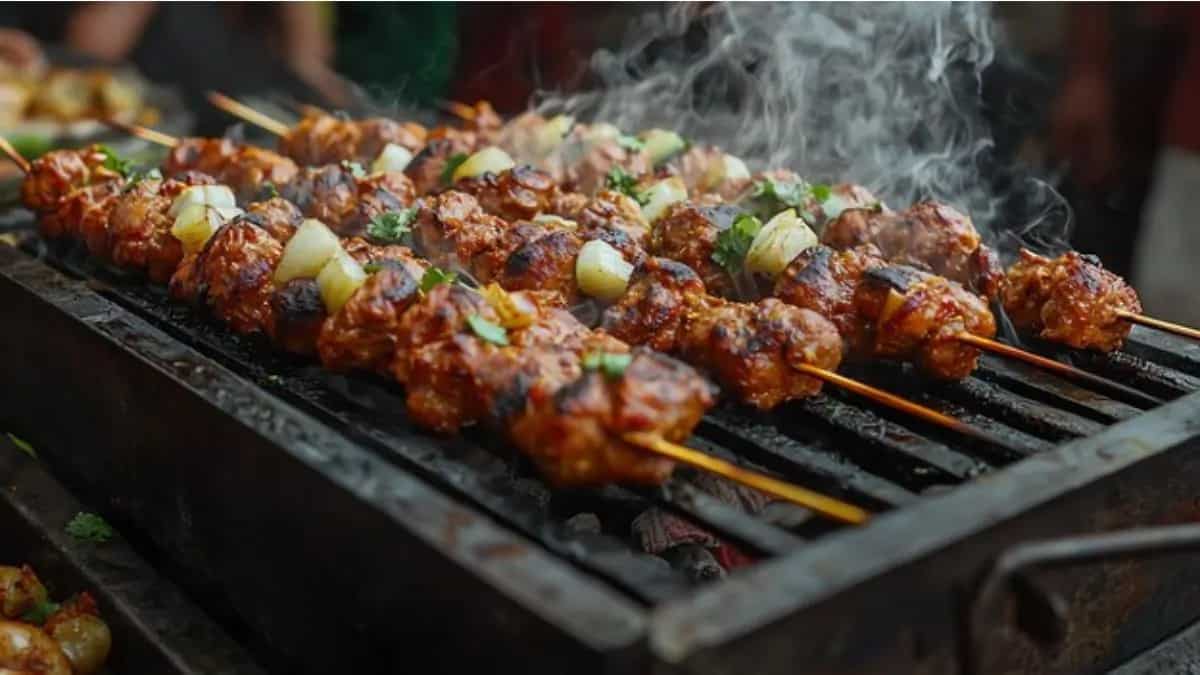
As the sun begins to set, this road changes to a street filled with smoke, aroma, and slow-cooked sumptuous food. Seekh kebabs are cooked slowly over the coal sigdis, while the gravy masala, nalli nihari, and malpua can be seen fried in ghee in a large tawa. Absolutely not to miss here is the lesser-talked-about dish - chicken sanju baba or smoky khiri kaleji, if you are a fan of bold spicy flavours. Once you are done with this, the desserts here will bring a sweet end to your feasting- try the saffron phirni or mawa jalebi here, which you can enjoy while standing amid the festive chaos, truly defining the Ramadan nights in Mumbai.
(Image credit: Freepik)
Jama Masjid, Delhi
During Ramadan, the lanes around Jama Masjid feel nothing less than a live dastarkhwan. Beyond just the well-known kebabs, reach out for badam pasanda, aloo gosht that is simmered in giant copper handis, and soft, creamy shahi tukda that is soaked in thickened flavoured milk. Apart from the usual ones, you will find here seasonal Ramadan exclusives such as date-stuffed korma and doodh-sewaiyaan that are prepared fresh in small batches. The fragrance of ittar, fresh-burning charcoal, and slow-cooked meat mixes with the sound of azaan, which makes every bite feel intensely embedded in the culinary memory of Old Delhi.
Chowk, Lucknow
The Chowk area of Lucknow approaches iftar with a class. Here, the food is less loud and more gentle. Apart from what you have heard till now, i.e., kabab partha, go for finding gilafi kebabs, which are wrapped in minced meat, nahari that is paired with sheermal, and occasional finds such as makhan malai that you can find after dusk. During the season of Ramadan, many households send across dishes to small places that sell traditional recipes like raan korma and soft warqi parathas. Chowk is a place where Awadhi methods like dum, ittar, and patience define the meal rather than being extra.
(Image credit: Freepik)
Zakaria Street, Kolkata
Kolkata's Zakaria Street strikes a perfect balance of Mughlai depth with love for richness. Apart from the famous rolls, Ramadan brings with it specialities such as chakna curry, rezala paired with soft roomali, and buttery haleem that is very light but extremely fragrant, making you go for another bite after bite. Look out for bakarkhani that is sourced from old bakeries and uncommon desserts such as date halwa or fusion sweets such as dudh-chamcham. Zakaria Street feels like a cultural hub, having Persian style, Bengali indulgence, and age-old trading impacts meeting on one festive table.
Frazer Town, Bengaluru
The Ramadan evenings at Frazer Town are close-knit yet extremely diverse. Mosque Road gets filled with stalls that offer mutton samosas, pathar-ka-gosht, and peppery beef fry paired with soothing drinks such as almond milk. Outstanding to this belt are dishes such as khova naan, mini mutabbaqs, and turmeric-laced haleem, showing Deccan influence. Families take a stroll here after prayers, tasting small plates with unique dishes rather than trying full, heavy meals, giving the area a community-driven potluck vibe.
Charminar, Hyderabad
Ramadan around Charminar is theatrical and intensely rooted in Hyderabadi culture. Giant pots of haleem dominate here, but look out for marag, which is a peppery mutton soup, luqmi pastries that are stuffed with mince, and khajoor-based desserts that you can rarely find apart from the Ramadan season. The food here reflects royal kitchens, rich yet detailed and never hurried. The Ramadan food experience here becomes as much about remaining conversations as about the layered flavours of the Deccan impact.
(Image credit: Freepik)
Nowhatta, Srinagar
In Srinagar’s old quarters, Ramadan dining leans towards Wazwan traditions adapted for iftar. Expect the goshtaba in more delicate gravies, tabak maaz fried crisp for enjoying in the evening snacking, and breads such as girda that is paired with kehwa. You will find dates that are often stuffed with walnut paste, mirroring the local produce. The environment here is calmer, with food created around warmth and a sense of sharing rather than extravaganza, perfectly showing Kashmir’s hospitality and unhurriedly layered culinary heritage.