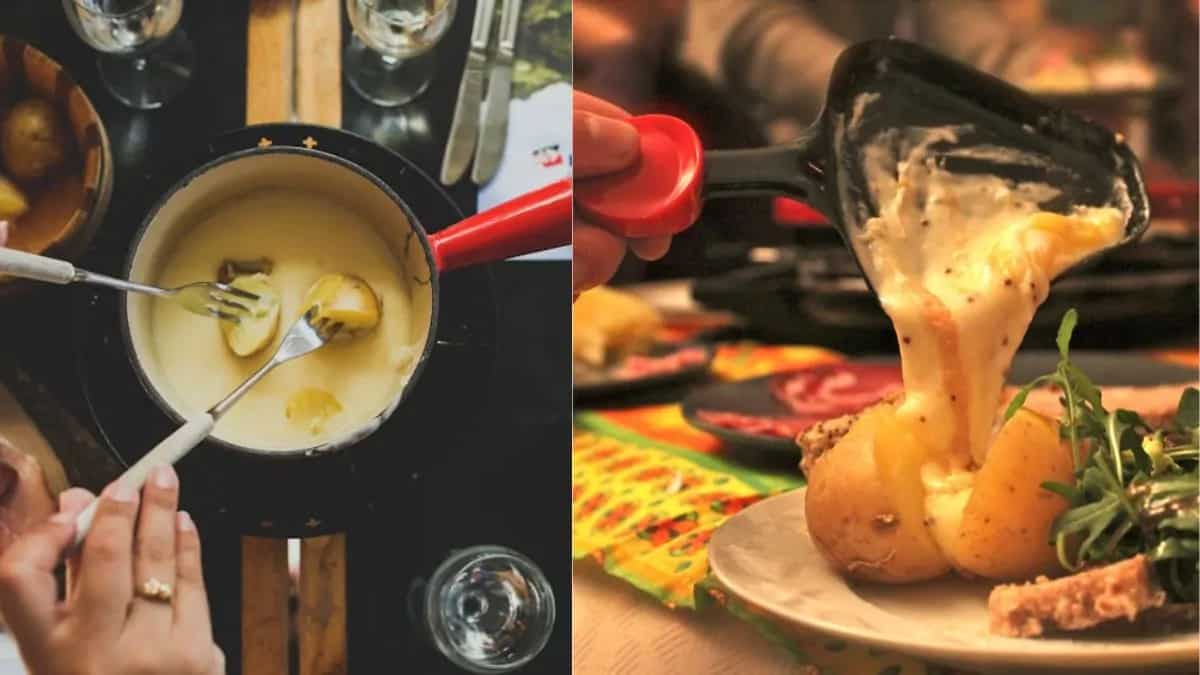
Food and community go hand in hand. Cooking together, sharing meals and engaging with the everyday are things that people all over the world can relate to. And even when we’re separated by climate, ingredient or culture, some things stick, like my experience with fondue and a holiday in the Alps that stuck in my mind all the way back home to India. And that could be because the art itself is so much more than a big pot of cheese.
Image Credit: Unsplash
In the 1970s, the community dining ritual was to dip bread into a shared pot of melted cheese, and the term fondue was both a noun and a verb. "Let's fondue" was as much a part of your vocabulary as "let's barbecue." Even the legendary early 2000s television smash "That '70s Show" gave fondue a reference when Kitty commented, "You know, I don't know why they call it fondue. "They should call it fun-due, because it is fun." Raclette, another shared meal with melted cheese, was largely unknown in the United States until far into the twenty-first century. Why did fondue gain popularity while raclette faded? It is said that both melted cheese-centric recipes originated in Switzerland and were intended for sharing, but there are tiny distinctions that might explain fondue's advantage over raclette.
How Cheese Is A Survival Kit For Swiss Lifestyle Up In The Alps
The reason both raclette and fondue are so strongly tied to Switzerland comes down to climate and lifestyle. In the Swiss Alps, long winters and cold temperatures made high-fat, melted cheese dishes practical and comforting. Cheese was preserved from summer milk and then melted during harsh winters for warmth and sustenance. Fondue, in particular, was designed to be eaten indoors, gathered around a single hot pot, perfect for freezing conditions but less suited to heat. If you bring these dishes to India, the experience shifts. Raclette adapts well because it can be made lighter and more seasonal. In Indian summers, you can pair melted cheese with grilled paneer, roasted vegetables, fresh chutneys, or even tangy pickles. It becomes more of a customisable, social platter rather than a heavy meal, and can work in cooler evenings or air-conditioned spaces.
Fondue, however, struggles more in India’s summer since the heat makes a thick, bubbling pot of cheese feel overwhelming, both in taste and environment. It can still work in winter regions like Himachal or during colder months, but in peak summer, people naturally lean toward lighter, hydrating foods. So while raclette evolves with the setting, fondue resists it, staying closely tied to its cold-climate origins. Fondue mirrors the Indian habit of sharing from a central dish, much like dipping into a pot of dal or sabzi with roti. But in India, meals are usually served on individual plates (thalis), so fondue’s single-pot format can feel unfamiliar or even slightly impractical in large groups.
Image Credit: Wikimedia Commons
Raclette, on the other hand, aligns closely with Indian meal structure. Think of it like assembling your own plate, similar to how a thali works. You combine small portions of potatoes, vegetables, meats, and chutneys with melted cheese, much like mixing flavours on a thali. Another connection is heat and spice. Swiss versions are mild, but in India, both dishes evolve. Raclette can handle bold flavours like spiced paneer, masala corn, and tandoori vegetables without losing balance. Fondue, however, becomes tricky; adding spices can split the cheese or overpower its delicate texture. There’s also a dairy parallel where India is one of the largest dairy-consuming cultures, yet melted cheese as a primary dish is not traditional. So raclette feels like an extension of familiar foods, while fondue feels more like an occasional novelty experience for when you crave the mountains and the heat catches up to you.
The Art Of Melted Swiss Cheese
AOP (Appellation d'Origine Protégée), also known as PDO (Protected Designation of Origin), protects real raclette cheese. This symbol certifies that the whole production process takes place in the specified territory, and that the ingredients are prepared to the highest quality standards within that geographical area. So, consider real raclette cheese such as Champagne or Roquefort. AOP raclette is created with raw milk from cows that roam in Switzerland's highlands. Traditionally, the wheel of cheese was held up to the fire to melt. It differs from fondue in that it focuses on melting or grilling and shaving a specific cheese rather than just melting it. Furthermore, there is greater freedom when keeping to tradition while experimenting with dippables. While bread is still appropriate, alternatives include deli meats, potatoes, gherkins, and pickled onions.
Image Credit: Flickr
Fondue dates back to the 18th century, when large households in the Swiss Alps would gather for cosy, communal dinners of old cheese melted in a pot, dipping stale bread into the softened, mild cheese. Fondue may now be considerably more sophisticated, with traditional cheeses such as Emmantaler or Gruyère blended with white wine and, on occasion, garlic or kirsch, a clear, dry brandy derived from cherries. Raclette is a centuries-old Swiss Alpine custom that predates fondue and is most likely from the 12th century. The term "raclette" comes from the French verb "racler," which means "to scrape."
How Raclette & Fondue Is Served
Fondue and raclette are simple meals to prepare at home as an entrée or appetiser, and they provide an enjoyable social experience. You will need a fondue pot or raclette grill for this. Raclette is now created with raclette machines that melt a layer of cheese, although it was historically heated over a fire. Small cast-iron raclette grills (heated by candles, stoves or electricity) are also available for personal use, allowing you to simply melt a slice of raclette while keeping it gooey.
Fondue is created and melted in a special fondue pot, which is normally set over a candle or an electric element to provide steady heat, and visitors dip their accessories into the cheese using pointed sticks. Crusty bread, pork, and pickled vegetables are common dip ingredients, but there are no restrictions.
Image Credit: Adobe Stock
Raclette, like fondue, is never served on its own and is usually accompanied by sides or extras. Raclette is intended to be one component of a meal; vegetables, fruits, or meats are encouraged. Unlike fondue, you don't dip your sides in the cheese. The cheese is either poured on top of the sides or placed next to them on the dish, and then eaten with or between other foods. All of these foods complement raclette, adding harmony, sweetness, and richness. Unlike fondue, you can steam your sides or serve almost anything without fear of it falling apart, as it is never dipped, only coated in the cheese. All of these are excellent ways to finish off a meal.