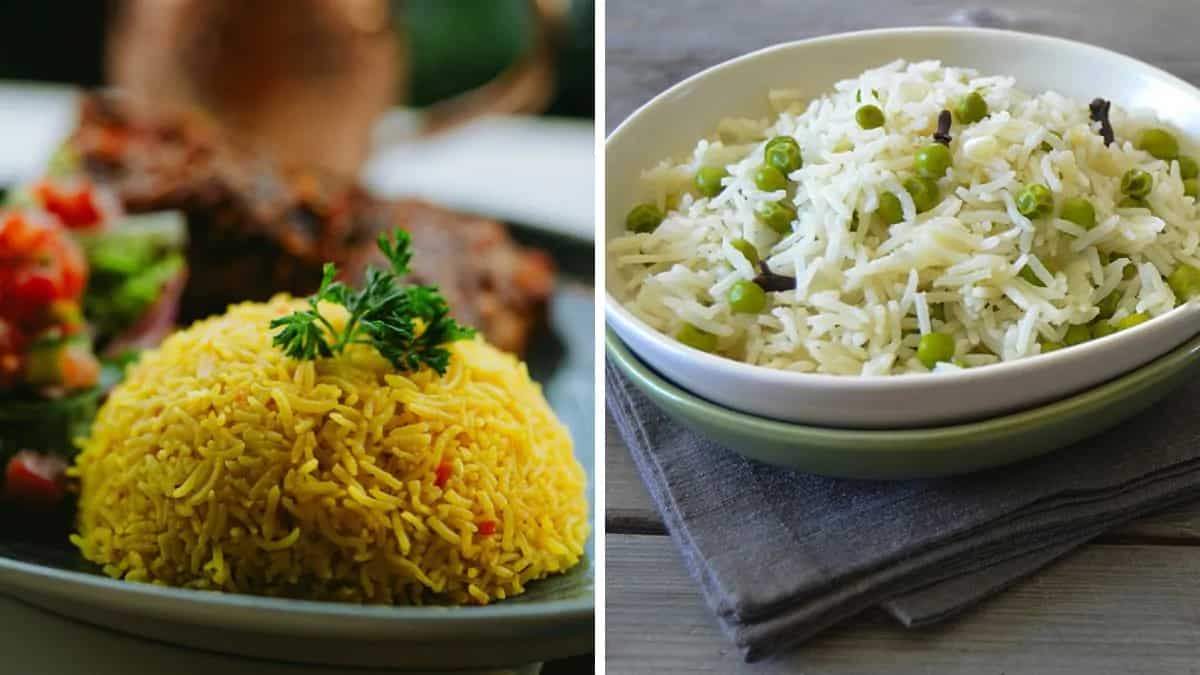
Within the general consensus, the pilaf is meant to have originally been a key part of Persian culture between the 10th and 13th century, from where it migrated to the Middle East, Asia and Europe. As it travelled from region to region, the composition and characteristics evolved based on the kind of ingredients that were most celebrated in that specific geography. Known by names such as palov, pilau, pulao, pilafi and palau - the pilaf evolved into a delicacy that represented the distinct culinary influences that dominated the region it became most associated with. That said, the Indian pulao varies not just in flavour and ingredients, but also in the technique that is adapted to make it.
Pilaf
With the first known origins of the pilaf dating back to the 5th century BCE, the rice-based delicacy is made using long-grain rice varieties, broth, vegetables and meat. Some variations of the pilaf also include slivered almonds, raisins, lemon zest and chicken stock for additional depth of flavour as well as texture. Typically eaten as an independent dish with no accompaniments, the pilaf is considered to be a complete meal in itself. Contrary to the pulao where soaked rice is adding to boiling water, making the pilaf involves toasting the grains lightly in butter or oil with aromatics, before other ingredients are added in. Most times, the pilaf is cooked in a deep-walled saucepan - while occasionally adapting a tagine vessel to provide a fluffy texture, replete with tender grains and meat. The pilaf also utilises milder spices such as rose petals and saffron, contrary to the pulao which is flavoured with bolder ones like cumin, cloves and cinnamon. The delicacy is mostly associated with special occasions and gatherings, where it is served as part of a feast.
Also Read:
Pulao
Image Credits: Wikimedia Commons
The Indian variant of the Persian pilaf, pulao is accounted for as a predominantly vegetarian preparation - some of which also use chicken or seafood as substitutes. The rice-based delicacy, which is also a common feature in Pakistani, Afghani and Bangladeshi cuisines, utilises both, long and short-grain rice varieties, depending on the geography it belongs to. Unlike the pilaf, the pulao is usually eaten alongside a host of accompaniments such as raita, salan, curries and condiments to boost its flavour. Aromatised with whole spices, an assortment of vegetables or protein, the pulao is mostly prepared using a pressure cooker. The butter or oil foundation of the pilaf is largely replaced with ghee for additional flavour, and stock is replaced with water. The texture of the pulao is relatively moist in comparison to the pilaf - which provides a drier texture akin to biryani. Some preparation styles of the pulao also cook meat or vegetables separately before mixing it in with cooked rice, to ensure that textures remain intact as well as to prevent over-cooking. Given the versatality of the pulao, it is relised as part of bigger feasts as well as daily meals - depending on the elements included in it or the manner in which it is made.