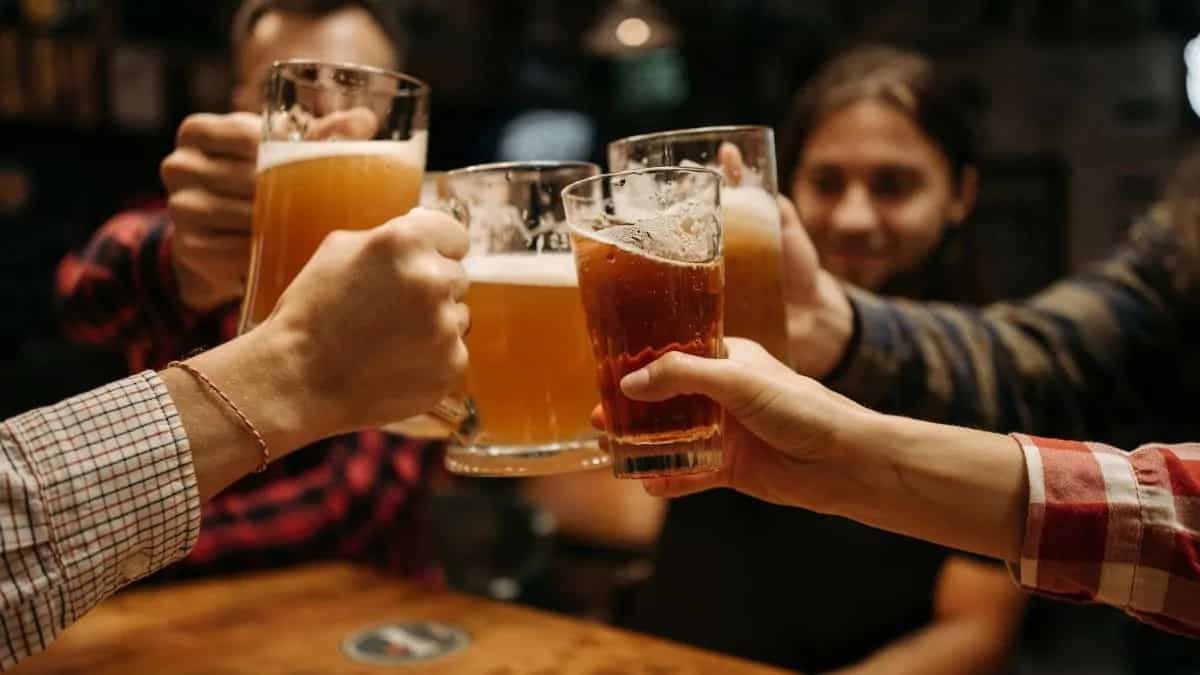
The global fight for equality did not begin in pristine courtrooms or formal parliamentary halls. It started in dimly lit taverns, vibrant underground clubs, and discreet local cafes where marginalised individuals could finally share a meal and find a sense of community. Throughout history, these spaces offered significantly more than just a place to consume food and drinks. Breaking bread together became a revolutionary act. Before the internet allowed people to connect virtually, these physical venues were the only places where people could organise political movements, share crucial survival resources over a cup of coffee, and escape the crushing weight of systemic discrimination. They provided a sanctuary for radical self expression, a mainstream stage for spectacular drag artists, and a safe harbour for youth who had been rejected by their conservative families to finally enjoy a warm dinner in peace. As we celebrate Pride this year, reflecting on these global landmarks offers a powerful reminder of the deep resilience of the queer community. Learning about the origins of these spaces gives us a deeper appreciation for the modern liberties we often take for granted today.
The Stonewall Inn In New York City
The Stonewall Inn stands as the undisputed birthplace of the modern gay rights movement. Located in the Greenwich Village neighbourhood, this iconic tavern became the epicentre of the Stonewall Uprising in June 1969. At the time, the bar was a rare refuge for the most marginalised members of the community, including trans women of colour, butch lesbians, and runaway youth who had nowhere else to safely gather. The mafia run tavern served famously watered down cocktails and cheap beer, yet sharing these modest drinks provided the social lubricant and communal bonding needed to spark a revolution. Patrons fiercely pushed back against persistent and violent police raids, igniting days of intense protests that fundamentally shifted the political landscape. The venue supported the community by functioning as an impromptu headquarters for the Gay Liberation Front, allowing activists to organise and demand visibility. Today, the venue remains a functioning bar and an official national monument. Visitors from around the globe travel here to grab a drink and pay homage to the brave individuals who ignited a global revolution. The brick facade and neon sign continue to shine as a beacon of enduring hope for everyone who walks through the doors.
Image credit: Wikimedia Commons
Royal Vauxhall Tavern In London
Situated in South London, the Royal Vauxhall Tavern is one of the most beloved queer performance and drinking venues in the United Kingdom. Built in the nineteenth century, it became a crucial gathering point for the gay community following the Second World War. Over pints of traditional British ale and comforting pub grub, patrons forged unbreakable bonds. The venue is legendary for its weekly drag shows and vibrant pantomimes that provided a necessary creative outlet for working class queer performers. Beyond the glamour and celebrity stories, it stood as a resilient fortress during the devastating HIV and AIDS crisis in the 1980s. When the government largely ignored the epidemic, the tavern supported the community by acting as a crucial fundraising hub and a place of communal mourning where friends could gather for a supportive meal. Patrons pooled their resources to pay for medical care and funerals for their chosen family members. The tavern continues to operate as a fiercely independent venue, hosting diverse performers and protecting the rich culinary and cultural history of the British queer community.
Image credit: Wikimedia Commons
The Counsel Club In Kolkata
While many modern venues now serve the community openly, the history of queer gathering in India was deeply rooted in the intimacy of private spaces. The Counsel Club, founded in 1993 in Kolkata, represents a critical chapter in this story. Recognising that traditional public bars were often unsafe or unwelcoming, the group began hosting monthly Sunday meetings in the private apartments of its members. These gatherings were more than just social hours. Over plates of home cooked Bengali snacks, steaming cups of chai, and shared stories, members created a vital shelter where they could discuss the intense discrimination they faced in both overt and covert forms. These apartment gatherings served as an essential support system, proving that for decades in India, the most radical culinary and social revolution happened around a dining table in a quiet home. The Counsel Club effectively bridged the gap between isolation and community, setting a precedent for the public spaces that would eventually follow.
Inclusive Galaxy Restaurant In Kathmandu
Adding to the progressive culinary landscape of South Asia, the Inclusive Galaxy Restaurant in Kathmandu serves as a brilliant beacon of hope and solidarity. Founded in 2019 by a prominent human rights defender, this establishment quickly evolved from a small cafe serving hot tea into a vibrant community hub located in the Lazimpat area. Nepal boasts some of the most progressive constitutional protections for queer individuals in the region, and this restaurant reflects that spirit of radical inclusion. Serving steaming plates of traditional momo and comforting dal bhat, this establishment supported the community in profound ways during the global pandemic, stepping up to provide free meals and temporary shelter for queer youths who had been abandoned by their families or displaced by the crisis. The founders intentionally focus on hospitality training and hiring staff from the queer community to foster long term financial independence and career development. It remains a place where patrons can unite over delicious food free from the prejudice and hostility that often permeate their everyday lives.
Image credit: Inclusive Galaxy Restaurant
Kitty Su In New Delhi
Kitty Su revolutionised the nightlife and beverage landscape in India by creating an unapologetically inclusive environment long before the landmark reading down of Section 377 by the Supreme Court. Located within a luxury hotel, this vibrant club broke social barriers by championing drag culture and providing a highly visible platform for local queer performers. Serving up a spectacular menu of bespoke cocktails, premium champagne, and contemporary fusion bar bites, the venue went far beyond simply throwing spectacular parties. The management actively supported the community by intentionally hiring individuals from the transgender community and acid attack survivors, making it a true pioneer in equal opportunity employment within the Indian hospitality sector. This provided crucial financial independence and social dignity to people who routinely faced severe discrimination in the traditional food and beverage job market. For many young queer Indians, this venue offered the very first taste of uninhibited joy, incredible culinary hospitality, and total acceptance on the dance floor.
Image credit: Kitty Su
Eldorado In Berlin
During the Weimar Republic era, Berlin was the progressive capital of the world, and Eldorado was its glittering crown jewel. Operating in the 1920s, this magnificent cabaret welcomed a diverse mix of gay men, lesbians, trans individuals, and curious heterosexual tourists. Patrons sipped flowing champagne and savoured decadent European pastries while watching the spectacular shows. The establishment supported the community by providing a mainstream and highly celebrated stage where queer art and identity were revered rather than hidden. It operated in close proximity to the pioneering Magnus Hirschfeld Institute for Sexual Science, acting as a social and culinary extension of the groundbreaking gender research happening at the time. Patrons could safely express their true gender identities and share an elegant evening without fear of immediate arrest, creating a unique blend of intellectualism, gastronomy, and sexual freedom. Sadly, the catastrophic rise of the Nazi regime forced the permanent closure of this magnificent club. However, the memory of its decadence and unprecedented freedom continues to inspire queer history enthusiasts globally.
Image credit: Wikimedia Commons
Ferro's Bar In Sao Paulo
Often referred to as the Brazilian Stonewall, Ferro's Bar was the site of a monumental political uprising in the year 1983. Located in the bustling city of Sao Paulo, the bar served as a popular hangout for working class lesbians and vocal political activists. Over rounds of cold chopp which is local draft beer and classic Brazilian bar snacks like crispy coxinhas, the venue supported the community by acting as a covert distribution centre for radical feminist literature and political zines. When the owners attempted to ban a group of women from selling their feminist newspaper on the premises, the patrons organised a massive and highly coordinated protest. They occupied the venue and firmly demanded their right to free expression and peaceful assembly while refusing to pay their bar tabs. This bold action became a watershed moment for the lesbian and gay rights movement in Brazil, proving that intersectional collective action could dismantle discrimination even within their own designated safe spaces and local eateries.
Image credit: Memorial de Resistencia
The George In Dublin
Before homosexuality was officially decriminalised in Ireland in 1993, The George provided a vital refuge for the queer community in Dublin. Opening its doors in 1985, the pub started as a discreet venue where people could safely socialise without the constant fear of police harassment in a deeply conservative society. Nursing pints of dark stout and sharing hearty traditional Irish pub fare, patrons found a literal physical sanctuary away from the prying eyes of the public. This allowed them to build the necessary social networks needed for future political advocacy over shared meals. As the political climate shifted and equality advanced across the nation, the pub expanded and transformed into a massive headquarters for social change, playing a key role in mobilising voters for the historic Marriage Equality referendum in 2015. It is now home to iconic drag performances and legendary dance parties, standing as a monumental testament to the incredible journey of the Irish queer community and their enduring pub culture.
Image credit: The Dublin Publopedia
Compton Cafeteria In San Francisco
Three years before the historic events in New York, a pivotal moment in queer history occurred at a late night diner in San Francisco. Compton Cafeteria was a popular gathering spot for drag queens, trans women, and street youth who were routinely denied entry to traditional gay bars due to highly restrictive liquor laws that targeted gender nonconformity. For the price of a cheap hamburger or a slice of cherry pie, patrons could secure a safe seat out of the cold city fog. In August 1966, after a police officer aggressively grabbed a patron, she responded by throwing a cup of scalding hot coffee directly in his face. This singular act of fierce defiance erupted into a full scale riot against police brutality and systemic poverty, with sugar shakers and diner plates becoming impromptu tools of resistance. The diner supported the community by simply allowing them a place to sit and eat together. The aftermath of the riot led to the establishment of the National Transsexual Counseling Unit, marking one of the earliest institutional victories for transgender rights.
Image credit: San Francisco Chronicle
Centralhjornet In Copenhagen
Holding the prestigious title of the oldest gay bar in Europe, Centralhjornet has been serving the queer community in Denmark since 1917. Initially opening as a traditional local pub, it quietly became a safe haven for gay men in the decades that followed. Sharing plates of traditional Danish smorrebrod and clinking glasses of cold local beer and snaps, the bar supported the community by functioning as a vital whisper network hub. This was especially crucial during the extreme volatility of the Second World War and the subsequent occupation of Denmark. Patrons could exchange crucial survival information and find discreet solidarity when the outside world was highly dangerous. By the 1950s, it had fully embraced its true identity as a dedicated queer establishment. The bar is incredibly famous for its extravagant decorations and intergenerational atmosphere, where older queer folks pass down rich oral history to the youth over classic Danish comfort food.
Image credit: Wikimedia Commons
Cafe Lafitte In Exile In New Orleans
Located in the historic French Quarter, Cafe Lafitte In Exile proudly claims the title of the oldest continuously operating gay bar in the United States. Opening in 1953, the venue quickly became a favourite haunt for legendary literary giants and creative minds. Sipping iconic New Orleans cocktails like sazeracs and hurricanes, patrons found a welcoming atmosphere deeply rooted in local hospitality. The establishment supported the community by acting as a vibrant crucible for Southern queer literature and art, proving that safe culinary spaces are essential incubators for cultural production. During the height of the AIDS crisis in the Deep South, the bar hosted countless charity food events and fundraisers to support sick community members who had been abandoned by the local healthcare system. The wrap around balcony offers a perfect vantage point for people watching on the vibrant streets below, while the enduring legacy of this tavern highlights the deep connection between queer culture and the gastronomic soul of New Orleans.
Image credit: Wikimedia Commons
The Imperial Hotel In Sydney
The Imperial Hotel in Sydney is a massive cornerstone of Australian queer culture, famously immortalised in iconic cinema. Since the 1980s, this vibrant pub has hosted some of the most spectacular drag shows in the country. Serving classic hearty Aussie pub fare like chicken parmigiana alongside cold schooners of local beer, the venue heavily supported the community by fostering a uniquely Australian queer identity. This identity beautifully blended high camp entertainment with fierce political advocacy and unpretentious dining. During an era of severe anti gay violence in Sydney, the hotel served as a highly secure fortress where patrons actively looked out for one another and organised community defence strategies over dinner. The venue recently underwent extensive renovations to preserve its rich historic hospitality charm while adding a fresh modern flair to its menus. From the lively public bar on the ground floor to the basement dance floor, it remains a radiant symbol of local queer pride, culinary creativity, and sheer resilience.