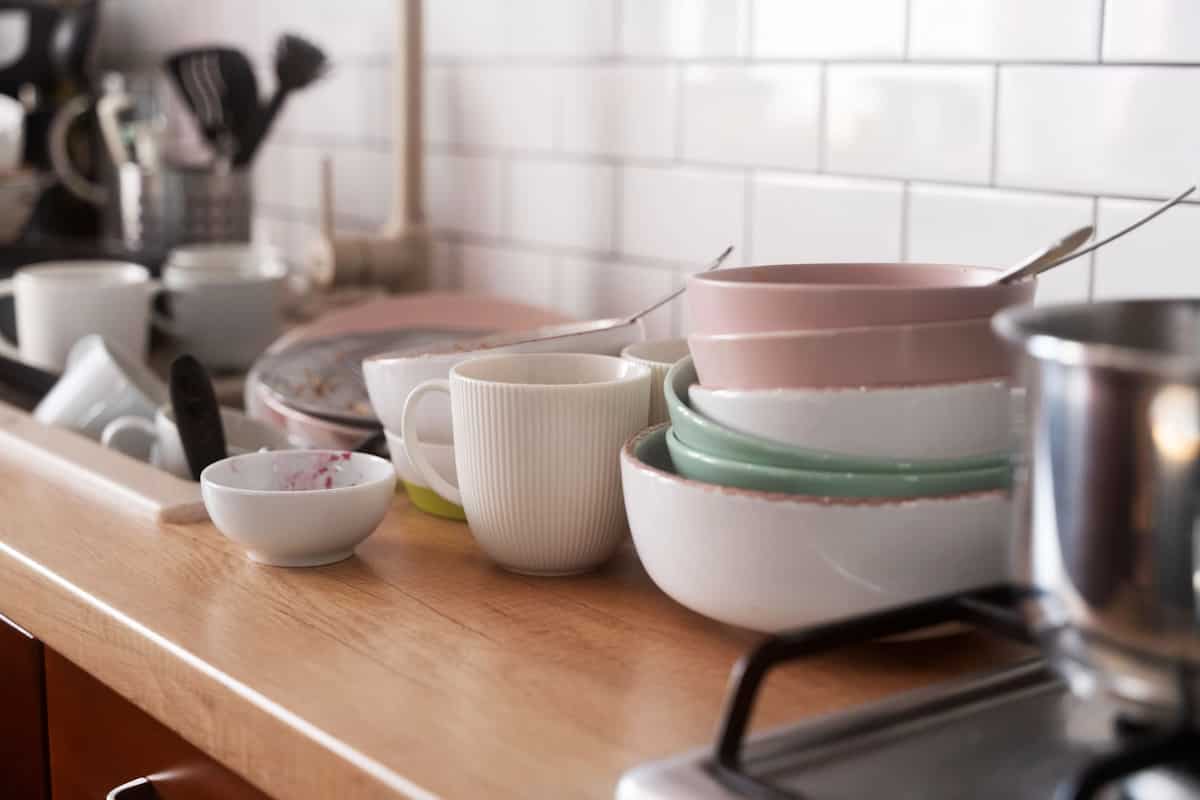
After the New Year, people often leave behind more than just memories. People often leave behind a multitude of dirty dishes, overflowing sinks, and counters brimming with food. Cleaning up can seem like a lot of work when there are so many dishes, from fancy dinner spreads to late-night snacks.
But washing quickly isn't the same as washing well; it's about using the right tools to save time, water, and effort while still getting things clean. When you clean with care, you make sure that fragile glassware stays safe, that cookware keeps its finish, and that everyday plates are cleaned well without putting too much stress on the
Planning is also important when you have to wash many dishes, especially if you have different kinds of food, sauces, and cooking styles. You must handle greasy leftovers, dried gravies, and baked food differently. You could waste money and break dishes if you treat everything the same. It is much easier and less tiring to clean up when you use structured methods.
After New Year's is also a good time to change the way you do things in the kitchen for the next few months. Washing dishes, drying them carefully, and putting them away properly can help them last longer. All of the following tips are about useful, professional ways to make it easier to wash a lot of dishes and quickly get things back in order after a holiday party.
1. Sort And Stage Before Washing
It's much easier to clean up after New Year's when you separate the dishes and crockery before you start washing them. Sort your plates, bowls, glasses, cutlery and cookware by how dirty they are and what they're made of. It's better to handle fragile things like wine glasses and fine china one at a time, but it's okay to put sturdier plates and serving bowls together. This method lowers the chance of chipping by accident and lets you wash each group with the right tools and water temperature.
Putting dishes near the washbasin also saves time because it means you don't have to move them around as much. Put things in the order that they will be washed so that they are easy to reach. Sorting things also helps you find things that need to be soaked, rinsed, or cared for in a special way right away.
2. Pre-Soak Strategically To Reduce Effort
Pre-soaking is one of the most effective ways to handle post-party mess without excessive scrubbing. Dishes with dried sauces, oily gravies, or baked-on residue should be immersed in warm water mixed with a small amount of dishwashing liquid. This process softens food particles, making them easier to remove later. For cookware, a longer soak helps loosen stubborn grease without damaging surfaces.
Avoid using very hot water for protein-heavy residues, as it can cause sticking instead of loosening. Pre-soaking also protects hands and utensils by reducing the need for forceful cleaning. By addressing heavy soiling early, washing time shortens considerably, detergent usage remains controlled, and dish surfaces stay intact.
3. Follow A Hygienic Washing Sequence
Maintaining a logical washing order is essential for both cleanliness and efficiency. Begin with glassware and lightly used items, as they require the cleanest water and minimal detergent. Move next to plates, bowls, and serving dishes, which typically carry moderate food residue. Finish with heavily soiled cookware, pans, and baking trays.
This sequence keeps wash water cleaner for longer and prevents grease from spreading onto already-clean items. It also reduces the need to repeatedly change water, saving both time and resources. Using fresh water for final loads ensures hygienic results, especially after large celebrations. Consistent sequencing also minimises cross-contamination and helps maintain lustre on delicate items.
4. Choose Tools Based On Dish Type
Using appropriate cleaning tools plays a major role in efficient post-New Year cleanup. Soft sponges are ideal for everyday crockery, ensuring surfaces remain scratch-free. Non-abrasive scrubbers suit stainless steel cookware, while silicone or wooden scrapers safely remove stuck food from pans. Long-handled brushes work well for tall glasses, bottles, and narrow containers, allowing thorough cleaning without breakage.
Avoid using the same tool for all items, as this can transfer grease or damage delicate finishes. Keeping separate tools for heavy-duty and light cleaning improves hygiene and prolongs the lifespan of crockery. Regularly rinsing and wringing tools during use also maintains cleaning effectiveness.
5. Dry, Inspect, And Store Methodically
Proper drying and storage complete the cleanup process and ensure long-term hygiene. Allow dishes to air-dry on a clean, well-ventilated rack rather than wiping immediately, as this prevents lint and streaks. For glassware, placing items upside down at a slight angle helps water drain efficiently. Once dry, inspect dishes for remaining spots or residue before storing.
Moisture-free storage is essential to prevent odours, bacterial growth, or damage to wooden shelves. Stack plates neatly, place bowls with space for airflow, and store glasses upright to avoid rim stress. Organising storage after washing also makes future access easier.