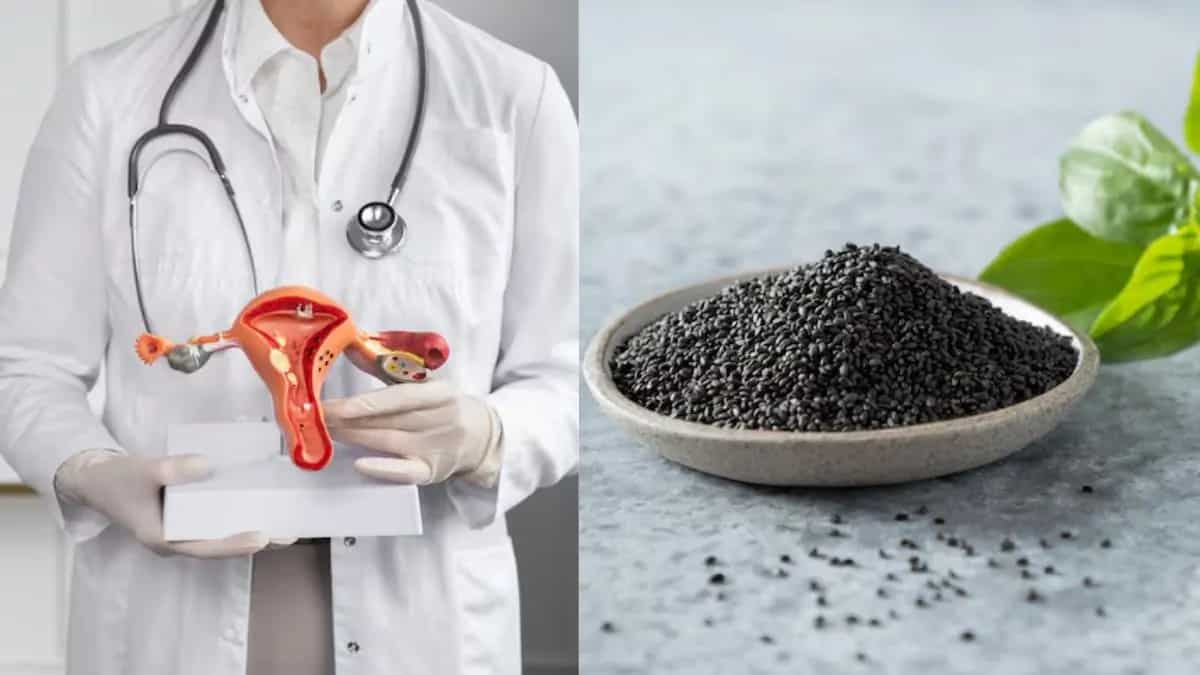
In a landmark global consensus, one of the most common yet misunderstood women’s health disorders has received a new name. This consensus, which involved international endocrine and reproductive health experts, published in The Lancet, decided to rename Polycystic Ovary Syndrome (PCOS) as Polyendocrine Metabolic Ovarian Syndrome (PMOS). This syndrome impacts 1 in 8 women, or more than 170 million women worldwide.
The name change journey took 14 years of collaboration between experts and those with lived experience. Until now, the name had reduced a complex, long-term hormonal or endocrine disorder to a misunderstanding about ‘cysts’ and an excessive focus on ovaries. Many women diagnosed with the condition do not even have ovarian cysts, and the name failed to incorporate the syndrome’s effects on metabolism, hormones, mental health, and cardiovascular risks. This contributed to missed diagnoses and inadequate treatment. Studies carried out in India have also highlighted the need for a more multidisciplinary and holistic approach to treating the condition, especially because metabolic syndrome forms a significant part of it.
Prachi Mandholia, Mumbai-based Clinical Nutritionist, specialising in women's health, says, “Indian diets have several cooling foods that can support women with PMOS. Ingredients like curd, gourds, and cucumbers, among others, help reduce internal heat, support digestion, and keep the body hydrated. When the body stays cool and digestion improves, it can positively impact inflammation, bloating, and even skin concerns like acne. Including them regularly in meals, especially during summer, can help maintain better hormonal balance without making a lot of changes in your diet”. Here are some cooling foods that can help manage the symptoms of the syndrome better.
(Image Credit: Freepik)
Cucumber
Cucumber has a high water content and is extremely hydrating. It is often considered one of the best cooling foods during summer. Cucumber can help reduce bloating and keep the body hydrated, which can be beneficial for women dealing with inflammation and fatigue linked to PMOS. You can include cucumber slices with your everyday meals, make cooling koshimbirs, or use them in your salads. This food requires no effort and can benefit you immensely.
Sabja Seeds
Sabja or basil seeds are widely consumed during Indian summers because of their cooling properties. Sabja seeds are rich in fibre, which may help support digestion and better blood sugar management. Many summer recipes have sabja as a main ingredient, but consuming them in water can be the easiest way, without any risks of added sugar or other sugary juices. Soak the seeds in water for 10-15 minutes and add it in your water bottle and keep consuming them throughout the day.
(Image Credit: Freepik)
Curd
Curd is rich in probiotics and supports gut health, which is increasingly being linked to hormonal health. Unsweetened curd can help keep the body cool during hot weather while providing protein and improving digestion. Curd aslo helps improve gut microflora, which is closely linked to hormone regulation, adds Mandholia. You can have a bowl of curd with your everyday meals. Using it in lassi is also a good way to consume it, but make sure extra sugar is not added to it, as that might lead to a sugar spike at times.
Coconut Water
Coconut water is naturally refreshing and rich in electrolytes. It helps you maintain hydration levels during summer. Coconut water is a better alternative compared to sugary drinks and packaged beverages. The best way to consume coconut water is to have it fresh, but you can also add it to your unsweetened beverages or detox waters. It contains potassium and other minerals that help replenish the body during hot weather.
(Image Credit: Freepik)
Watermelon
Watermelon is a seasonal summer fruit and has high water content and a refreshing taste. Since hydration plays an important role in overall health, fruits like watermelon can help the body stay cool during extreme temperatures. The fruit also contains antioxidants such as lycopene, along with vitamins A and C. For women with PMOS who may experience fatigue or cravings during summer, watermelon can work as a lighter snack option compared to processed foods or sugary desserts.
Bottle Gourd
Bottle gourd or lauki is a staple summer vegetable in many Indian kitchens because of its light and easy-to-digest nature. It has high water content and is often included in curries, soups, juices, and even traditional Indian desserts. Since PMOS management often focuses on balanced meals and digestive health, vegetables like bottle gourd are beneficial because they are not too heavy on the stomach. Many households also consume lauki juice during summer for its cooling and hydrating qualities. Lauki is low in calories and can easily be paired with dals or proteins to create balanced meals.
(Image Credit: Freepik)
Mint
Mint is traditionally associated with cooling and digestive benefits in Indian food culture. It is added to chaas, chutneys, lemon water, salads, and summer drinks because of its refreshing flavour and cooling effect on the body. During summer, mint also helps to reduce discomfort caused by heat and indigestion. For women with PMOS, digestive health and inflammation management are often important concerns, which makes ingredients like mint a useful addition to everyday meals.
Disclaimer: This article has been medically reviewed and validated by Prachi Mandholia, a Mumbai-based clinical nutritionist, focusing on women’s health. The content is intended for informational purposes only and does not constitute professional medical advice. Please consult a doctor before making any dietary changes.