When it comes to capturing the spirit of a place, few things do as good a job as the food on our plates. For me, it’s the most preferred way to understand a city’s culture and traditions. Having spent my way sampling the many delights across India, I took a chance to sample the food from the island country of Sri Lanka, a place close enough to share borders and spices. However, once I stepped into Tamra, the multi-cuisine restaurant at Shangri-La Eros, New Delhi, I realised how the island developed a distinct identity.
The restaurant held a limited-time “Sri Lanka's Signature Sensations” program at one of its five interactive live kitchens. The culinary showcase was spearheaded by Chef Malith Gonaduwa, Sous Chef at Shangri-La Colombo.
With multiple awards and three decades under his belt, Chef Malith translated the various methods, dishes, and influences into authentic lunch and dinner menus for seven days. The biggest challenge? Fighting the stereotypes!
As Chef Malith put it, “the assumption that hoppers and kottu are the whole story is the first thing I have to work against. They’re well known but represent just a slice of what Sri Lankan food actually offers; the cuisine is layered and rooted in tradition, not confined to street stalls. What I try to show diners is the full spread: sharp, fiery sambals sitting alongside mellow coconut curries, sour fish preparations, and quieter staples like parippu.”
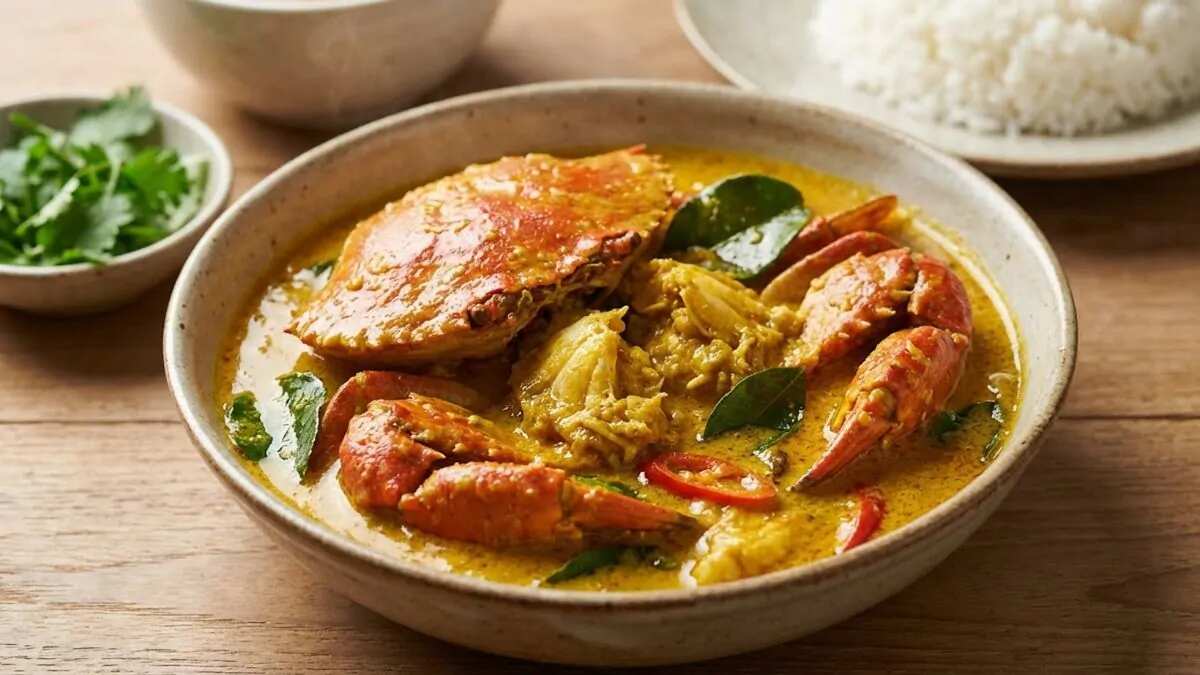
The dinner spread that I sampled included achaaru, a tangy and savoury condiment like a pickle without the oil, along with three vegetarian curries, two non-vegetarian curries, hoppers, fried appetisers (fish and capsicum) and yellow rice.
As I made my way through the dishes, one thing was clear. Yes, the coconut and hoppers may remind you of the food from down South in India, specifically Tamil Nadu or Kerala, but it’s a surface-level similarity. The cuisines are distinct, with “roasted curry powders, Maldives fish, goraka, and a heavier hand with chilli give Sri Lankan dishes a sharper, more intense character,” says Chef Malith.
“Coconut appears in nearly every preparation here, as milk, oil, or sambal, and living on an island means seafood runs through the cuisine in a way that goes beyond garnish. Some dishes do have cousins across the water; hoppers and appam share a batter tradition, as do puttu and pittu. Yet each has taken its own path.”
Also Read: How To Utilise Every Bit Of A Coconut
The claims were put to the test with the curries and hoppers; the latter, specifically, had a crisper edge than what soft appams offer. As far as the curries were concerned, the standouts were the Beans and Garlic curry and the Negombo chicken curry. The counter also served vegetarian and chicken versions of kottu, a fried, crumbed pomfret, and fried capsicum (Malu Miris). It was the closest you felt to the island’s busy streets while sitting inside a fine-dining restaurant.
The surprise, though, came from the dessert. Watalapan, a coconut pudding topped with nuts, seemed like a dense custard, almost like a caramel pudding without the jiggle but with the sticky sweetness. In this case, it came from the jaggery. It was the richest thing on the menu, difficult to finish in one go, but sweet enough to stop at just one bite (or a few).
The menu indicated that the popular perceptions about a cuisine only tell half the story. As per Chef Malith, the cuisine is set to see the comeback of popular dishes like the Ambul thiyal (earthy, sour fish curry, cooked slowly in clay pots with goraka) and older techniques that represent Sri Lankan food, like “hand-grinding spices on stone, or cooking slowly over firewood. Both connect the food back to where it came from and pull out flavours no shortcut can match. They’re a good reminder that Sri Lankan cooking has always valued patience over speed.”
At the end of the night, I walked back with curiosity and recommendations from beyond the menu–like the Kadala Kottu that “carries the everyday spirit of Sri Lankan home cooking in a way flashier dishes don’t”, according to Chef Malith. After all’s said, done, and sampled, there is still a lot more to explore on this island.