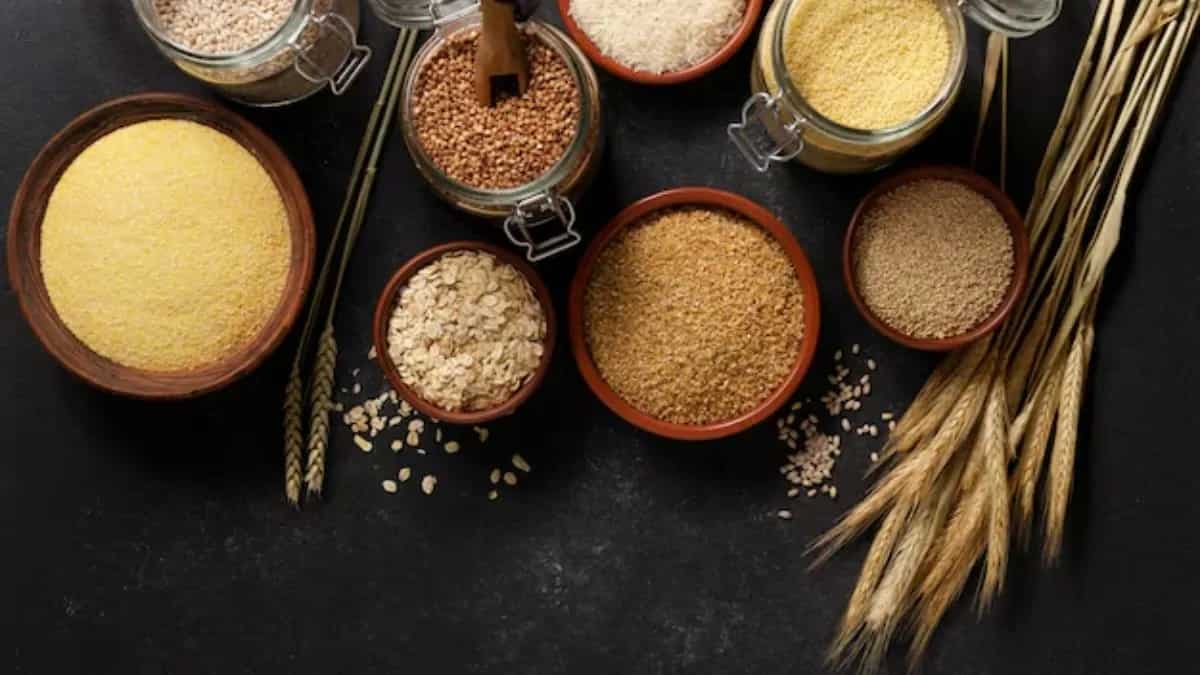
With the arrival of Paryushan 2026, the kitchen in Jain households changes from everyday meals. Shwetambar Paryushan 2026 will be observed from September 8 to September 15, 2026, whereas Digambar Jains observe the separate Das Lakshan Parva, which will be observed from September 16 to September 25, 2026. It is a period of fasting, offering prayers, and self-restraint and food plays an important part in that discipline. Many Jain households tend to avoid root vegetables, along with other foods, relying on their tradition and personal observance.
However, that does not mean the kitchen turns out to be bare. Rather, everyday cooking depends more heavily on pantry ingredients like rice, wheat flour, millets, lentils, pulses and poha. These ingredients give the base for rotis, rice dishes, dals, porridges and other simple meals without depending on potatoes, onions or garlic. Practices, however, can vary between Jain communities, families and individuals, so not every household follows precisely the same list.
Why Are Root Vegetables Avoided During Paryushan?
The avoidance of root vegetables is connected to the Jain principle of ahimsa, or minimising harm to living beings. Jain philosophy describes root vegetables as harbouring numerous one-sensed life forms in the soil; harvesting them also entails uprooting the entire plant.
Unlike vegetables such as bottle gourd, ridge gourd or tomatoes, where only the fruit or leaves are harvested, taking a root or tuber like potato, onion or carrot from the earth ruins the plant itself. The act of digging into the soil is also considered disturbing other forms of life thought to inhabit it. The restriction, hence, goes beyond the ingredient itself; it mirrors an effort to make everyday food choices involve as little harm as possible. Here is what takes the major place in the Jain household during Paryushan:
Rice
Rice is an everyday household staple where root vegetables are off the menu, partially because it can be prepared in many textures without requiring vegetables to make the dish substantial. Soft-cooked rice pairs perfectly with dal, while poha gives a firmer, lighter option for breakfast. Rice can also be cooked with dry coconut, along with spices or other ingredients to make a more flavourful one-pot meal. Rice flour also offers another option, making the base for some rotis and steamed preparations where it can fit the household's compliance.
Its neutral flavour is another benefit during Paryushan. When onion, garlic and potato are not allowed, rice readily takes on the fragrance of cumin, dry chilli, coconut, lemon or other acceptable seasonings. It is also naturally gluten-free, giving households an option to avoid wheat-based meals when they want to change the grain.
(Credits: Freepik)
Wheat Flour And Rava
Wheat flour gives the kitchen during Paryushan a familiar base that is used readily in everyday meals in Indian cuisine. Rotis can be made simply in the usual ways and paired with dal or lauki ki sabzi, dal and other allowed add-ons. Rava is another great option, as it can be especially used for breakfast purposes or lighter meals.
It can be cooked into a simple savoury upma, roasted and mixed with permitted ingredients to make cheela, or instant idlis, without going through the fermentation process. Having both wheat flour and rava on hand means meals do not have to rotate around rice, while their neutral taste lets dry spices and other ingredients add flavour.
Millets
Millets can add variety to meals without depending on root vegetables. Bajra can be ground to make flour for rotis or cooked to make a soft, porridge-like preparation, whereas jowar works well when used to make bhakri and rotis. Ragi can be used to make porridge, ragi roti or traditional preparations such as ragi mudde.
Foxtail millet and little millet can be cooked in pulao and can be easily paired alongside dal. Rotis made with bajra or jowar can take the place of wheat at one meal, whereas cooked little millet or foxtail millet can offer a totally different grain base. This makes it easier to change the plate even when the list of allowed vegetables and other pantry staples is limited.
Lentils And Pulses
Lentils and pulses can substitute some of the bulk that potatoes and other vegetables usually add to the meal. Moong dal works nicely to pair with rice or roti, whereas masoor dal can be used sometimes to add some variety. Toor dal can also be used for everyday rice and roti, and urad dal can be used in preparations like cheela.
Chana dal with lauki is another good option to add variety to the plate. This gives the kitchen many ways to use the same pantry staples in a much more creative way without making every meal taste the same.
(Credits: Freepik)
Dry Coconut And Dry Spices
Dry coconut and spices can do much of the flavour-building when fresh vegetables and herbs are restricted. Desiccated coconut can be added to rice, dals or flour-based dishes to give a slightly rich, nutty taste and a distinct texture. Dry spices like cinnamon, tej patta, dried red chillies, chilli flakes, dry ginger and amchur can add warmth, fragrance, sourness and depth without depending on onion, garlic or fresh herbs.
A carefully picked spice blend can make a plain dal or rice dish taste noticeably distinct, which is particularly helpful when the ingredient list is limited.