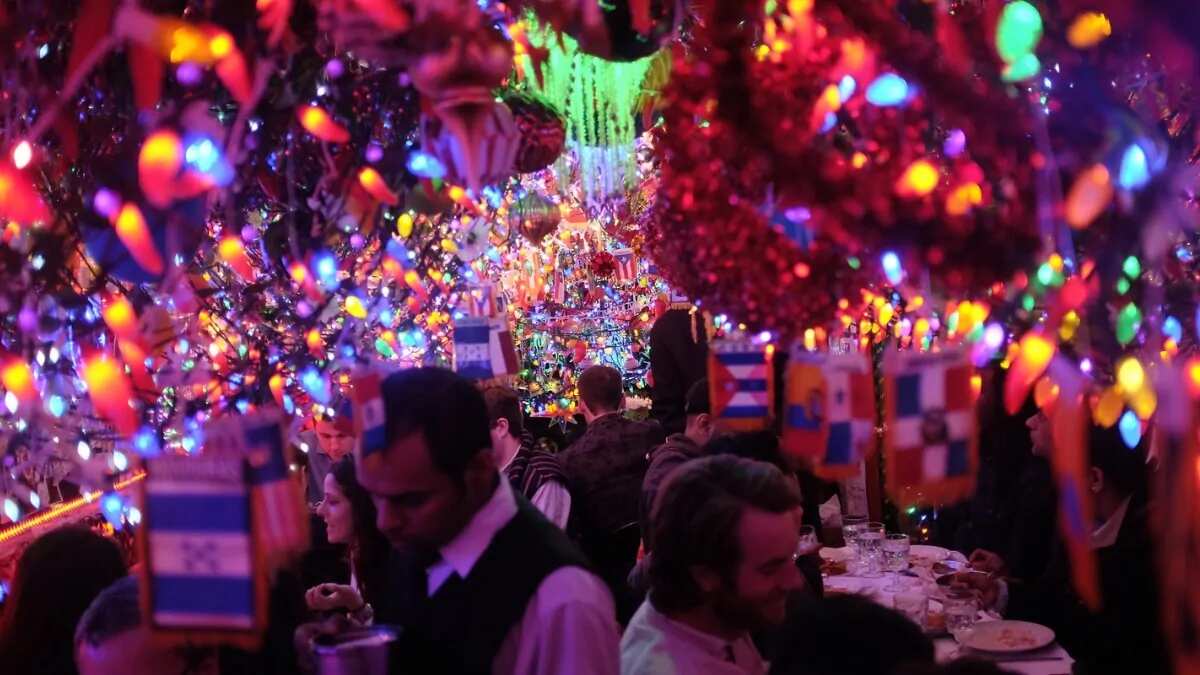
A small East Village restaurant with huge lights and an even bigger reputation has found itself centre stage again. To the uninitiated, the entrance to Panna II Garden looks like a festive hazard. Thousands of multicoloured Christmas lights and plastic chilli peppers dangle from the ceiling, hanging so low that taller patrons must duck to find their seats. This is not a place for a quiet, formal dinner. It is a sensory overload of Bollywood music, bustling servers, and the spicy aroma of biryani. The restaurant has long been a staple for NYU students and budget-conscious tourists, but recently, its name has been circulating through social media feeds and news cycles with renewed vigour. The catalyst for this resurgence is the television programme American Love Story, a Ryan Murphy production that chronicles the whirlwind and tragic romance of John F. Kennedy Jr. and Carolyn Bessette. As the show recreates the 1990s glamour of the most photographed couple in the world, it has shone a bright, flickering light on the humble Indian restaurant where their journey supposedly began.
The Date That Defined A Legend
In 1994, John F. Kennedy Jr. was the most eligible bachelor in America. Carolyn Bessette was a public relations executive for Calvin Klein, known for her minimalist style and ethereal beauty. Their first date did not take place at a Michelin-starred French bistro or a private club in Midtown. Instead, they retreated to the cramped, chaotic, and utterly charming Panna II Garden. Choosing such a location was a testament to their desire for normalcy amidst the paparazzi frenzy. Under the red and yellow glow of the fairy lights, they shared a meal that would become part of New York City folklore. The contrast between their high-society status and the kitschy, basement-level setting of the restaurant humanised them. It suggested a couple that valued atmosphere and authenticity over pretension. Today, fans of the couple flock to the restaurant to sit in the same cramped booths, hoping to catch a glimpse of that vanished 1990s Manhattan spirit.
Image credit: IntangibleArts on Flickr
The Power Of The Small Screen
The trending status of Panna II Garden is a direct result of the Love Story effect. Television has a unique ability to turn historical locations into modern pilgrimage sites. When the production team recreated the iconic date for the series, they did more than just film a scene; they reignited a fascination with the specific aesthetic of the era. Modern audiences, particularly Gen Z and Millennials, are currently obsessed with the nineties. The minimalist fashion of Bessette-Kennedy and the eclectic, maximalist decor of Panna II Garden represent two sides of the same nostalgic coin. As viewers watch the drama unfold on screen, they are prompted to seek out the real-world locations, leading to a surge in reservations and a flurry of TikTok videos tagged with the restaurant name.
A History Of Rivalry And Resilience
The story of Panna II Garden is inseparable from its neighbour, Milon. For decades, the two restaurants occupied the same small building, both featuring nearly identical light displays and competing aggressively for customers. If you walked down the stairs into the basement, you would be greeted by two different hosts from two different businesses, each trying to pull you into their respective dining room. This rivalry became a legendary part of the East Village experience. It was a theatrical performance played out every night on the pavement. While Milon has faced various closures and changes over the years, Panna II Garden has remained a constant. Its history is one of survival in a city where independent restaurants are frequently pushed out by rising rents and corporate chains. The fact that it still looks almost exactly as it did when JFK Jr. visited thirty years ago is a rare feat in the ever-changing landscape of New York.
Image credit: Pexels
Navigating The Bad Ratings
Despite its fame, Panna II Garden has not always enjoyed a spotless reputation. A quick glance at travel review sites from a few years ago reveals a string of complaints that might deter a casual diner. Critics often pointed to the aggressive nature of the staff outside, the extremely cramped seating arrangements, and the long wait times even with a booking. There were also periods where the restaurant struggled with health department ratings. In a city with strict food safety regulations, the dense thicket of dust-trapping lights and the tiny kitchen space presented significant challenges. Some reviewers argued that the food was secondary to the decor, describing the curries as standard or uninspired.
However, the recent trend shows a shift in consumer priorities. In the age of Instagram and TikTok, the vibe or the aesthetic often carries more weight than a five-star culinary critique. People are not going to Panna II Garden for a gourmet experience; they are going for the experience of being there. They want the photograph under the lights and the connection to a cultural moment. The restaurant has leanly pivoted into this role, leaning into its status as a visual landmark.
A Taste Of The Bazaar
If you visit Panna II Garden today, you should prepare for a dining experience that feels more like a festive indoor picnic than a formal dinner. The menu is a sprawling list of classic Anglo-Indian staples that are designed for sharing. Popular choices include the creamy chicken tikka masala, the fragrant lamb biryani, and the crisp vegetable samosas. For those looking for a complete experience, the set dinner options offer excellent value, typically including a soup, an appetiser, a main course, and a small dessert like mango ice cream.
The practicalities of a visit in 2026 remain largely unchanged from the nineties. It is a strictly cash-only establishment, so a trip to the cash point is essential before you descend the stairs. Perhaps the most famous feature of the dining experience is the BYOB policy. Patrons are encouraged to bring their own beer or wine, and the wait staff are famously adept at opening bottles in the middle of the crowded room. You will likely be sitting elbow-to-elbow with strangers, but in the frantic and glowing environment of the basement, this usually results in a communal sense of celebration rather than a lack of privacy.
Image credit: Panna II
Significance In The New York Cultural Scene
Panna II Garden represents a disappearing version of Manhattan. It is a remnant of the East Village before total gentrification, a place where the weird and the wonderful were allowed to thrive. Its significance lies in its refusal to change. While the rest of the neighbourhood has seen the arrival of luxury condos and sleek cocktail bars, Panna II remains a riot of plastic colour and affordable heat. It serves as a cultural bridge. It connects the high-fashion world of Carolyn Bessette to the everyday life of a student living in a nearby dorm. It proves that New York is at its best when these worlds collide. The restaurant is a democratic space; the lights shine just as brightly on a famous actor as they do on a local resident. The enduring appeal of Panna II Garden is found in its ability to transport you out of the grey streets of New York and into a glowing, neon dreamscape that feels frozen in time.