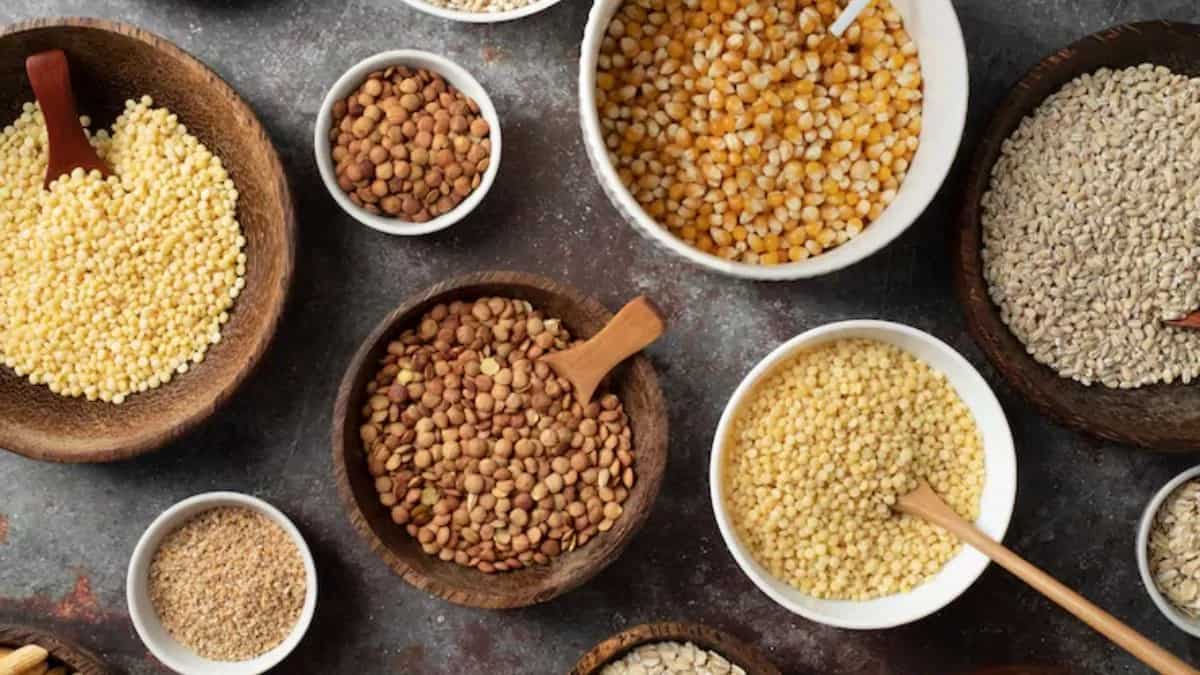
Millets are often lauded for what they serve on the plate, but how they are processed can totally change what you finally eat and get from them in return. That makes them an interesting food to know more about during National Nutrition Week 2026, which is being observed in India from September 1 to 7, 2026. The annual campaign focuses on raising awareness of the importance of good nutrition and well-informed food choices. India has been observing National Nutrition Week since 1982, when it was first initiated by the Food and Nutrition Board to extend awareness about nutrition and its role in health and development.
Millets naturally deliver carbohydrates, protein, fibre, minerals and other useful compounds. But the grain that you have stored in your kitchen may not appear to be the same as the one that has come out of the field. It can be polished to make a smoother grain, ground to make flour, or simply fermented to make a batter. Each process alters the grain in its own way. Here is what happens to millet nutrition through these three common actions.
When Millets Are Polished, Some Nutrients Go With The Outer Layers
Polishing makes millet grains appear clean, smooth and appealing, but at the same time, it also removes some of the outer layers of the grains. ICAR mentions that polishing removes the bran and germ, which have oil and other essential nutrients. This can reduce some of the fibre, minerals, healthy fats and other compounds that are found closer to the surface of the grain.
Take foxtail millet or little millet as an example. When these grains are polished heavily, some of the concentrated nutrients that are closer to the surface get lost along with the husk and the bran. Polishing, however, enhances shelf life by removing oil-rich layers that can turn the millet rancid soon. So, polished millet is not devoid of nutrition, but a less processed grain generally has more of what was available in the original grain.
(Image credit: Freepik)
When Millets Are Ground, The Grain Becomes Easier To Use
Turning millet into flour does not mean that the nutrition has disappeared. The bigger difference is that the grain's physical form changes, making it more comfortable to use in rotis, dosas, porridges and other baked foods. How much nutrition is included depends on which part of the grain is milled away and how finely it is ground.
If the outer layers get removed before milling, some fibre and micronutrients get lost along with them. Research also shows that milling can change the functional properties of grain, so a whole or minimally processed millet and a refined millet flour are not nutritionally equivalent. The difference is mainly in what gets left behind during milling.
When the outer layers get removed, some of the fibre, minerals, healthy fats and other plant compounds of the millet go with them. A whole-grain millet thus has more of its original structure and nutrients, whereas a refined flour may be smoother and more comfortable to use but can have less fibre. The more of the grain that remains unchanged, the closer you stay to its original nutritional profile.
When Millets Are Fermented, The Grain Goes Through A Different Change
Fermentation is less about pulling parts of the grain and more about transforming how some of its nutrients are made available. During fermentation, naturally occurring microorganisms break down parts of the grain, which can enhance digestibility. Not only that, but it can also alter the taste, texture and acidity of the millet.
This is why fermented millet batter can act differently from plain millet flour when it is cooked. Traditional foods like fermented millet dosa and porridge have used this process for ages. However, the result relies on the millet that is used, fermentation time, temperature and also on the recipe, so not every fermented millet will have the same nutritional alteration.
Ragi is a good example of this. When ragi is fermented to make a dosa or traditional porridge, the process can reduce phytate levels and modify the availability of minerals like iron and calcium. The batter also gets a mild tang and becomes easier to cook into a softer, lighter food. Similar changes can occur with fermented bajra or jowar.
(Image credit: Freepik)
The Takeaway
There is no need to consider polishing, grinding or fermentation as just “good” or “bad”. They serve different purposes and change millet in various ways. A polished grain may keep better, flour makes millet easy to use and cook with, and fermentation can alter its digestibility and nutrient availability. The useful takeaway is simpler: the form in which you eat a millet counts almost as much as the millet you pick.