The arrival of monsoon season brings with it the commencement of one of the most-awaited seafood seasons in the eastern part of India. Fresh hilsa or ilish and chingri or prawns begin to appear in the fish markets, which lures you to make everything right from mustard hilsa to the fried prawn or prawn malai curry, if you are a seafood lover. Though the season gives a better availability of your beloved seafood, it also demands that you be extra careful.
High humidity, frequent rain showers, and warm temperatures can all make conditions in which fish can get spoiled much faster if not stored or transported appropriately. Purchasing stale seafood not only impacts the taste and texture of the dish but can also increase the risk of foodborne illnesses that can be caused by bacterial growth.
Simply, a glance at the fish isn't enough if you think so. You need to check its smell, the texture, appearance, and even how it has been kept. Whether you are shopping at a local fish market or at a supermarket seafood counter, these tips will help you pick fresh hilsa and chingri without any second thought.
Check The Eyes And Gills First
One of the simplest ways to evaluate freshness is by glancing at the eyes and gills of the fish. Fresh hilsa has clear, bright, and a bit bulging eyes, and not cloudy or sunken. For the gills, lift the cover carefully and see that the gills should appear deep red or bright pink in colour, signifying the fish has not been sitting out for a long time.
Brownish or grey gills generally mean the fish may be old or poorly stored. Even if the fish appears to be shiny from the outer surface, dull eyes and discoloured gills are trustworthy signs that freshness has dipped.
Pro Tip: Ask the fishmonger to open the gills before you buy. If the seller is genuine, they won't hesitate to show them.
(Image credit: Freepik)
Feel The Flesh Instead Of Just Looking At It
On touching, fresh fish should feel firm and springy. To check if it is fresh or not, press the flesh gently with your finger; if it bounces back immediately, you can go ahead and buy. If the indentation remains or the flesh feels a bit mushy or detaches easily from the bones, it's probably not fresh.
With chingri, the cover should fit tightly around the whole body, and it should feel firmer on touching rather than dull. Loose shells often show that the seafood has been stored for too long.
Pro Tip: Avoid buying fish that has torn flesh or damaged skin, as these areas tend to get spoiled fast and may show improper handling.
Fresh Fish Shouldn't Smell 'Fishy'
Contrary to prevalent belief, fresh seafood should not have an oppressive fishy odour. Hilsa should have a soft, clean, river-like scent, whereas fresh chingri should smell a bit briny, comparable to seawater.
A strong, rotten, ammonia-like, or sharp odour is often an indication of bacterial activity and spoilage. During the monsoon season, when spoilage tends to happen more quickly, the sense of smell is one of the most trustworthy quality checks you can do.
Pro Tip: If the smell makes you pause, it's good not to buy it. Fresh seafood should never have an unwelcoming or sharp smell.
Look At How The Fish Is Being Stored
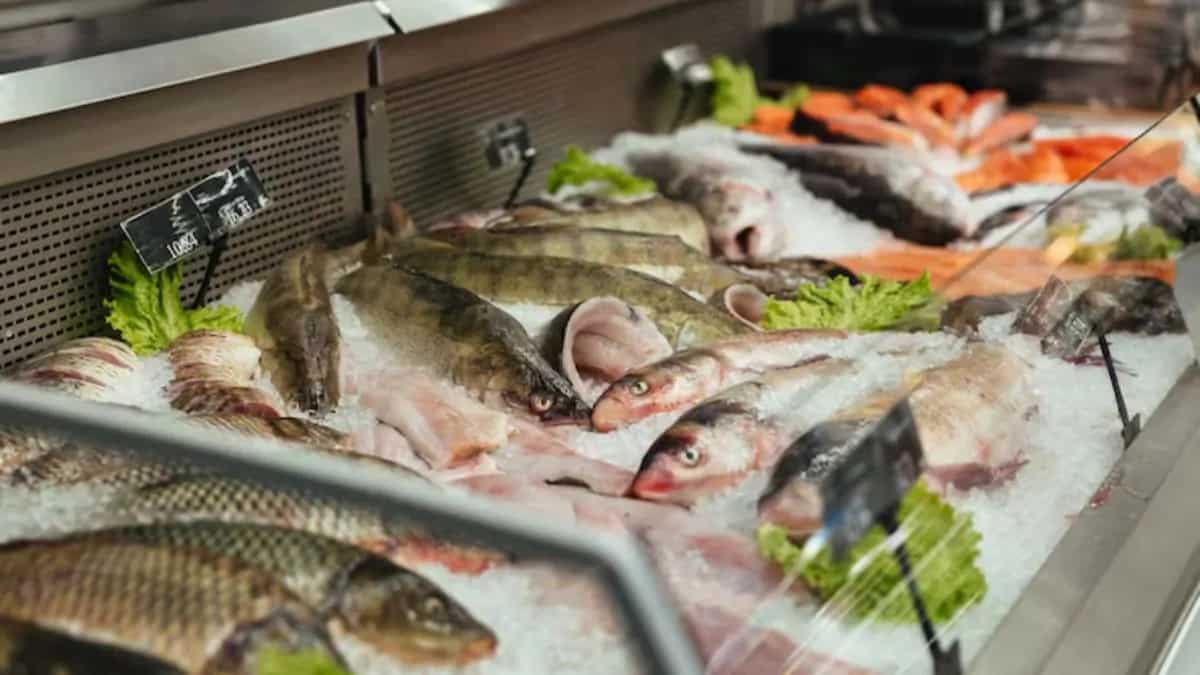
Storage prerequisites matter just as much as the fish alone. Fresh hilsa and prawns should ideally be displayed over a thick layer of clean crushed ice to keep them chilled throughout. Fish that have been left uncovered, placed in a closed water space, or exposed to direct sunlight spoil much faster, especially during humid monsoon weather. A clean seafood area that has proper drainage and regular icing is generally a good sign that the seller keeps better handling practices.
Pro Tip: Go to shops that generally fill ice and keep the different seafood varieties divided in small sections to minimise cross-contamination.
(Image credit: Freepik)
Buy From Trusted Sellers During Monsoon
The monsoon season is one of the times when the source of your seafood becomes particularly important. Designated fish markets and trusted vendors generally have fresh stock and maintain better cold-chain methods.
They also inform you whether the hilsa is river-caught or sea-caught, where it was sourced, and when it reached the store, all that as a buyer you should know. Such information helps you make a good and fresh purchase rather than depending only on appearance.
Pro Tip: If buying packaged seafood from a supermarket, always review the packing date, the temperature of the storage, and the expiry label before buying it.