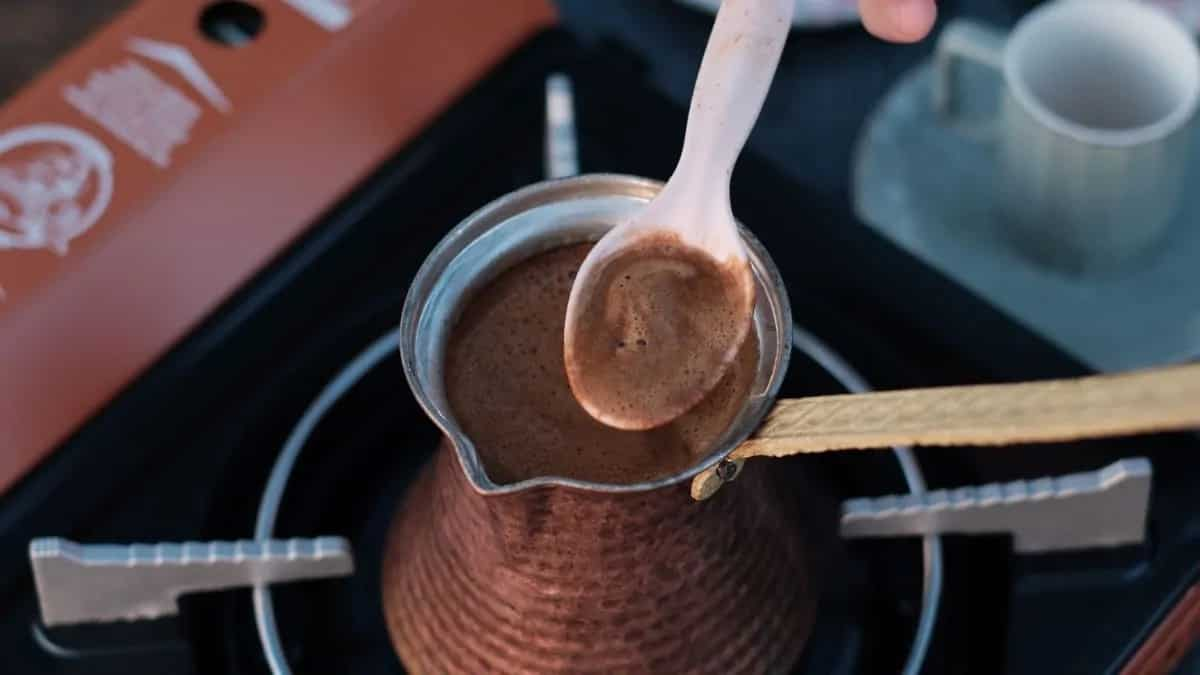
Most of us carry a fixed picture of what coffee should be. It is black, bright and clean, or it is a latte, with steamed milk poured over a shot of espresso. Milk brew occupies the space between those two habits. The grounds steep in the milk itself, so the drink arrives already blended, with dairy sweetness and body woven into every sip. The movement took shape in Japan, where cafés such as Koffee Mameya and Kurasu Kyoto popularised milk brew from around 2021. Kurasu documented its own trials in its journal, and Japanese press soon followed as the drink spread through the country's coffee culture. Roasters in Australia have since published their own adaptations, while specialty counters in the United States now serve inventive variations, including a banana bread style. India's cold coffee culture, with its frothy, sweetened glasses, shares a natural affinity with the drink, so the idea feels thoroughly at home on our side of the world. Let's examine where the trend began, what happens chemically when coffee meets milk, why heat demands caution, how to prepare milk brew at home, and which roasts, milks and flavour variations deserve your attention.
Image credit: Pexels
The Science Behind A Sweeter Cup
Coffee extraction depends on a solvent pulling flavour compounds out of the grounds. Water does this cleanly, which is why cold brew tastes crisp and clean. Milk is roughly 87 percent water, so it still extracts, but its fat, protein and lactose change the outcome in useful ways. Milk proteins, particularly casein, bind to some of the polyphenols responsible for astringency and bitterness, which softens the cup. Milk fat carries aromatic compounds and gives the drink a fuller, rounder mouthfeel. Lactose, the natural sugar in milk, adds a gentle sweetness that makes the coffee taste mellow rather than sharp. Research on milk coffee has also pointed out that milk proteins can help buffer the effect of coffee on the stomach lining, a modest but interesting bonus.
Image credit: Pexels
Hot Milk Brewing Needs Careful Handling
Hot milk brewing requires treading lightly. Milk scorches and curdles at boiling point, and its proteins can clump, leaving a burnt or sour taste and clogging a drip machine. The safer route is to warm the milk gently, never letting it simmer, and then steep the grounds in it. Warm milk extracts more slowly than hot water, so a brewcoffeehome test found that a French press with a slightly finer grind and a ratio of around 1:15 gave a more complete extraction. Warm milk is also a hospitable home for bacteria, so serve the brew straight away and never leave it sitting on the counter.
Image credit: Pexels
Cold Milk Brew At Home
For the cold method, use about 70 grams of coffee for every litre of milk, a ratio close to 1:14.3. Choose a medium-coarse grind, similar to filter coffee, since very fine particles over-extract during a long steep and taste harsh. Combine the grounds and chilled milk in a jar, seal it and refrigerate for around 16 hours. A seven-hour steep produces a lighter, more delicate result, whereas longer steeps deepen the flavour and intensify the body. Strain through a paper filter or fine sieve, or use a tea-style pouch to bypass straining entirely. Keep the concentrate refrigerated and enjoy it within a few days.
Choosing The Right Roast And Milk
Roast shapes the final cup more than many people anticipate. Medium and light roasts are frequently recommended, although one Kurasu tester found that a medium roast left a pronounced aftertaste against the dairy, while others caution against light roasts because they extract less fully. Begin with a medium roast from an Indian estate such as Coorg or Chikmagalur, then adjust to taste. Whole milk delivers the richest, most luxurious texture, and full-cream buffalo milk, a staple across the subcontinent, produces an especially indulgent cup. Vanilla oat milk creates a sweeter, lighter brew, whereas thin almond milk can taste watery and underwhelming.
Milk Brew Variations Worth Trying
The classic version is the best place to begin, but a few variations are well worth your time. A vanilla oat milk brew uses a split vanilla pod steeped alongside the grounds, then serves the result over ice for a dessert-like finish. A banana bread style adds a few slices of ripe banana or a pinch of cinnamon to the steep, which lends warmth and a gentle bakery aroma. For an Indian twist, crush two or three green cardamom pods and stir in a teaspoon of jaggery while the brew is still cold, creating a chai-inspired drink that is both familiar and fresh. Anyone who enjoys brown sugar milk tea will find a rewarding cousin in a simple jaggery and milk brew served over ice.
Tips And Tricks For Better Milk Brew
Always taste your brew before adding sweetener, because lactose and natural milk sugars may already be enough. Keep the steep time at or below 24 hours, since longer steeps tend to tip the flavour toward bitterness and over-extraction. Use fresh, sealed milk and label your jar with the date. Strain carefully to avoid sediment in the glass, and rinse your filter immediately so the fat does not harden on it. Finally, keep your ratio consistent. A digital scale makes it far easier to repeat a cup you love, and once you find your favourite combination, milk brew becomes a reliable companion for hot days.