Mahalakshmi Vrat 2026 will start on September 19 and will end on October 3, 2026. The vrat is traditionally observed for 16 days in honour of Goddess Mahalakshmi. Devotees celebrate the period by fasting, puja rituals, and special offerings to the Goddess. Food is also part of the ritual, with the type of bhog and the offerings made for the puja varying from household to household and also according to regional traditions.
Food has its own spot within this observance, but there is no single menu that is followed by every household. Some devotees follow a phalahari diet, whereas others have one sattvik meal or follow some family-specific customs. Kheer, panchmeva, fruits and other naivedya items are placed on the bhog thali, whereas regional traditions may have some more detailed offerings.
Why Is Mahalakshmi Vrat Celebrated?
Mahalakshmi Vrat is celebrated in honour of Goddess Mahalakshmi to seek her blessings for prosperity, abundance and the well-being of the household. The observance starts on Bhadrapada Shukla Ashtami and goes on till Krishna Ashtami of Ashwin in the Purnimanta calendar. The 16-day period of this vrat is considered significant, with devotees performing daily worship of Goddess Mahalakshmi. The Bhavishya Purana notes that even deities and kings performed this vow to overcome misfortune.
What Do Devotees Eat During Mahalakshmi Vrat?
The food eaten by the one who is observing the vrat depends on how strictly the fast is being followed. A phalahari version may have fruits, milk, makhana, sabudana, singhara flour, buckwheat, peanuts, ghee and rock salt. Some households rather follow a single sattvik meal that has no onion or garlic. Sabudana khichdi, makhana preparations, kuttu or singhara-flour rotis and fruit-based foods also make part of a vrat menu.
Some regional ritual descriptions are more detailed. Some households also make wheat-based preparations such as meethi mathri and sweet puris being prepared on the last day of the celebration to offer as bhog to the Goddess.
Image credit: Freepik)
Why Is Kheer Associated With Mahalakshmi Vrat?
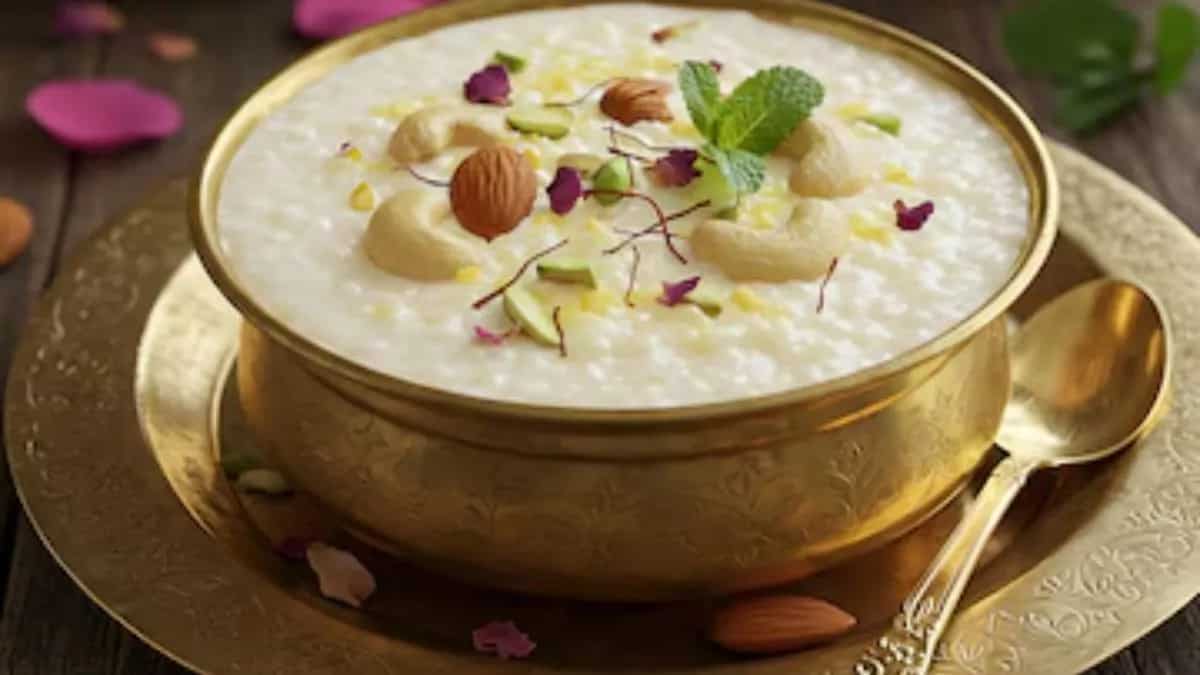
Kheer is part of the naivedya or bhog prepared for Mahalakshmi. Milk, rice or vrat-friendly grains, sugar and dry fruits are used relying on tradition and whether the preparation is intended for the devotee or the offering.
In some puja instructions, kheer is particularly offered towards the end of the worship along with panchmeva before the food is distributed as prasad.
How Is Mahalakshmi Worship Different In Maharashtra?
Maharashtra adds an important regional variation to the ritual. The Gauri festival, also called Gauri-Mahalakshmi in some practices, takes place during Bhadrapada and is linked with the worship of Gauri as a form of Lakshmi. The exact form varies within the state: in some areas, Jyeshtha Gauri is celebrated, while in parts of the Deccan, Jyeshtha and Kanishtha Gauri are brought home together.
Food is especially significant during this household festival. The arrival of Gauri is followed by worship and a detailed meal, with families making regional dishes and arranging a ceremonial spread for the deities. The food spread includes puran poli, varan-bhaat, batata bhaji, bharli vangi, kothimbir vadi, bhaji, kheer and shrikhand, along with seasonal vegetables and other family-special preparations.