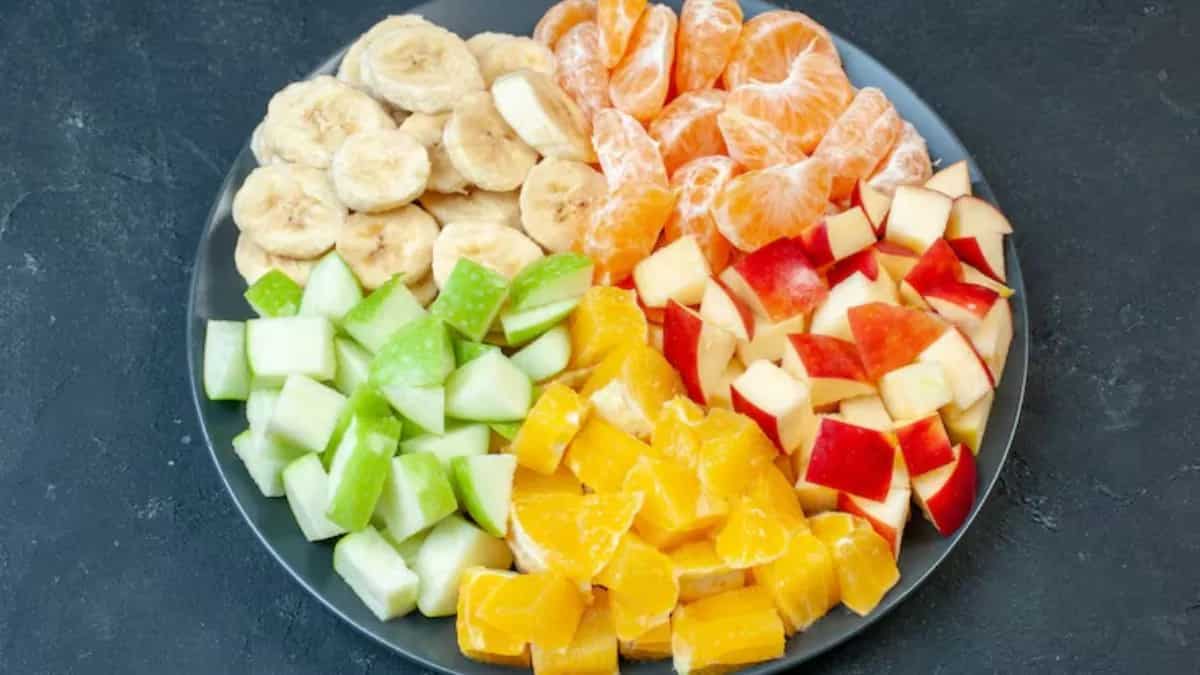
Fruits are often one of the first things that people add to their diet when they tend to lose weight, and of course, for all good reasons. Some fruits are known to be naturally low in calories while having high water and fibre, which keep you full for a longer time without adding too many calories to your daily intake. Instead of cutting them, selecting the right kinds can actually make the healthy eating routine much easier and more sustainable.
A study published in the National Institutes of Health highlights that higher fruit intake is linked with lower body weight and better control of appetite. Particularly, whole fruits, which take a longer time to eat and digest, help in reducing overall calorie consumption.
The key, however, is knowing that not all fruits work in the same way. Some are much lighter, hydrating, and filling than the others, making them better suited for calorie management. When included thoughtfully in the diet, these fruits do not just satisfy the cravings but also support your body in keeping a calorie balance without feeling restrictive.
These low-calorie fruits do not magically burn fat, but they form the suitable conditions, like less hunger, fewer calories intake and better digestion, that sustainably help overall wellness and mindful eating.
Watermelon
It's a hidden secret that watermelon is almost 90% of water, making it one of the best low-calorie fruits you can have if you want to eat more cautiously. It fills up your stomach quickly without counting too many calories, making it excellent for evening snacking during the summer season. The natural sweetness also fulfils the sugar cravings, so you are less likely to go out for desserts.
It feels refreshing and not heavy at all, which is why it works well in hot weather. You can have it as a mid-day snack, blend it into a light, refreshing drink or smoothie, or add it to the fruit bowls. Its high water content keeps you hydrated while helping you eat less overall.
(Image credit: Freepik)
Apple
Apples are one of the most dependable fruits for balanced eating. They are low in calories but rich in fibre. It has pectin, which keeps you feeling full for longer. Studies have shown that eating whole apples before any meal can reduce total calorie intake.
Apples are much more satisfying; you chew them more often, digest them slowly, and feel much fuller. They are easy to carry, do not need any complicated prep, and can easily replace high-calorie snacks. Having one between meals or before lunch can reduce overeating without you even noticing it.
Grapefruit
Grapefruit is often included in calorie control. It is very low in calories and has a high water content, making it fulfilling and also light. Some studies have also suggested that eating grapes regularly may help improve overall metabolism.
It's a bit bitter and tangy in taste, which helps in reducing the overall sugar cravings. You can simply have it fresh in the morning or have it as a light evening snack. It works best when mixed in a fruit bowl rather than eaten in isolation.
Berries
Berries like strawberries, blueberries or raspberries are naturally sweet but low in calories, making them ideal for smart snacking. They are naturally sweet, but do not spike the blood sugar too soon, which helps in controlling the cravings.
What makes berries a standout fruit is how light they feel while still being extremely satisfying. They are extremely versatile; you can simply add them to yoghurt, oats, or just eat them plain. Their fibre and water content keep you full for longer, making them a smart add-on for snacking without worrying about calorie intake.
(Image credit: Freepik)
Papaya
Papaya is light, easy on the stomach, making it a great addition to a gut-friendly, balanced diet rather than focusing only on restrictive eating.
It is not too sweet, so it does not feel heavy even after you have it after a meal. Having papaya in the morning as breakfast or after lunch works well, particularly if you feel bloated more often. It keeps your gut happy, which indirectly sustains better eating habits and weight management.
Orange
Oranges are another excellent option because they incorporate fibre and water, two of the main things that help in controlling hunger. Eating a whole orange in place of juice makes a really big difference, as the fibre keeps you full for longer.
They feel refreshing, a bit tangy, and work well as a mid-meal snack. It’s a small habit, but it helps reduce unnecessary mindless snacking.
Guava
Guava is surprisingly low in calories but extremely high in fibre, making it filling for everyday wellness and sustained fullness.
You can eat them raw with a pinch of salt or add them to salads. It is one of those fruits that feels almost like a mini-meal. Because it takes time to chew and digest guava, it naturally helps you eat less afterwards.
(Image credit: Freepik)