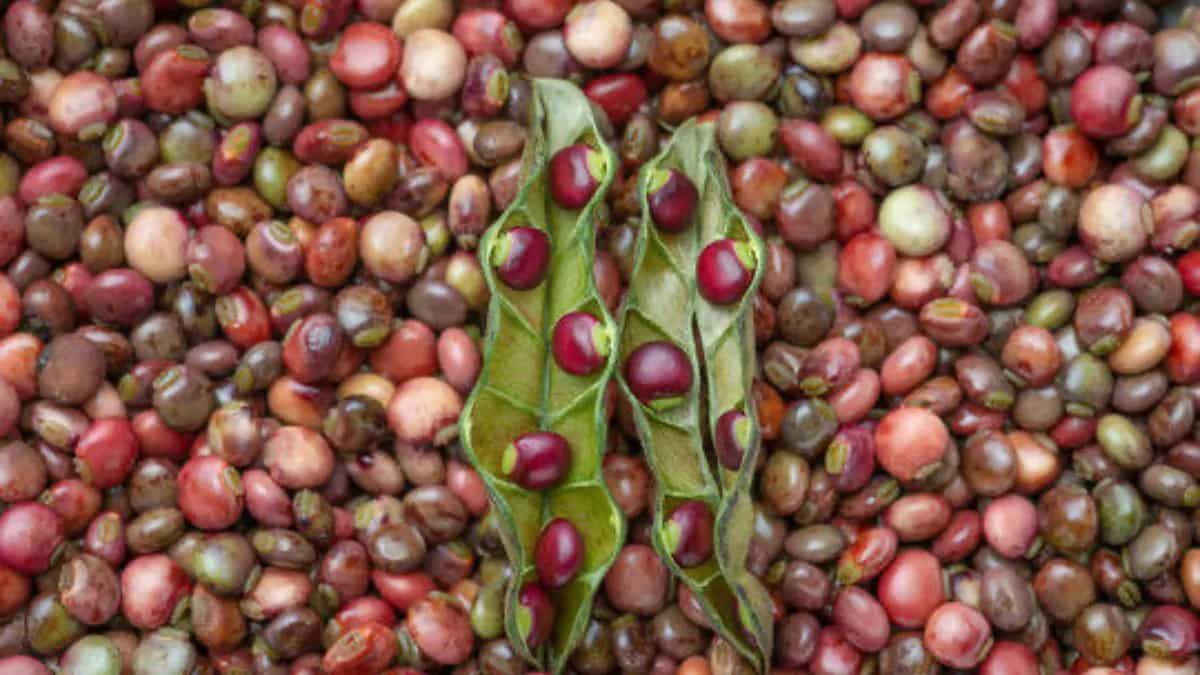
When the temperature drops across the vibrant landscape of Gujarat, the local markets undergo a visual transformation. The dusty browns of dried pulses are replaced by heaps of bright, emerald green pods. This is the season of lilva. In the simplest terms, lilva refers to fresh, tender, and undried beans or peas. While several legumes can be termed lilva when fresh, the word is most synonymous with Tuvar Lilva (fresh green pigeon peas) and occasionally Val Lilva (fresh field beans or hyacinth beans). Unlike the dried yellow tuvar dal that is a kitchen staple throughout the year, lilva is a fleeting winter luxury, available only for a few months. The process of preparing lilva is a lesson in patience and community. In many traditional households, you will find families gathered in the afternoon, shelling mounds of these pods while sharing stories. The beans are popped out of their fuzzy green jackets, revealing firm, bright seeds that carry a sweetness and earthiness that dried lentils simply cannot replicate.
There are two main types found in Gujarati markets:
• Tuvar Lilva: These are green pigeon peas. They are small, round, and have a nutty, slightly sweet flavour. These are the stars of kachoris and classic curries.
• Val Lilva: Also known as hyacinth beans or field beans, these are slightly flatter and have a more pronounced, earthy, and sometimes slightly bitter profile. They are essential for a truly authentic Surti Undhiyu.
Image credit: Wikimedia Commons
A Nutritional Powerhouse: Why Your Body Loves Lilva
Beyond their culinary charm, these green gems are packed with nutrients. Because they are consumed in their fresh state rather than dried and processed, they retain a higher concentration of certain vitamins and enzymes. Here are the primary health benefits of incorporating these beans into your winter diet:
• High Plant Based Protein: For a vegetarian-heavy state like Gujarat, lilva is a vital source of protein. It helps in muscle repair, growth, and maintaining overall body strength during the colder months when the body requires more energy.
• Rich in Dietary Fibre: Lilva is excellent for digestive health. The high fibre content ensures smooth bowel movements and helps in managing blood sugar levels by slowing down the absorption of sugar in the bloodstream.
• Heart Health and Blood Pressure: These beans are rich in potassium, which acts as a vasodilator, reducing blood pressure and strain on the cardiovascular system.
• Folate and Blood Health: They contain significant amounts of folate, which is crucial for preventing anaemia and supporting red blood cell production. This is particularly beneficial for pregnant women.
Image credit: Adobe Stock
• Immunity Boost: Fresh green peas are a good source of Vitamin C and Vitamin E, which strengthen the immune system against common winter ailments like the flu or cold.
• Weight Management: Because they are filling and nutrient-dense, incorporating lilva into meals can prevent overeating. The complex carbohydrates provide sustained energy, keeping those winter cravings at bay.
• Magnesium and Bone Health: The presence of magnesium and phosphorus ensures that your bones stay strong and your nervous system functions optimally.
Image credit: Adobe Stock
The Culinary Stars: Iconic Gujarati Lilva Dishes
Gujarati cuisine is a masterclass in balancing sweet, spicy, salty, and sour flavours. Lilva fits into this philosophy perfectly.
Undhiyu: The Winter King
You cannot talk about lilva without mentioning Undhiyu. This slow-cooked vegetable casserole is the hallmark of Gujarati winter dining. While it contains many ingredients like purple yam, sweet potatoes, and small aubergines, the Tuvar Lilva and Val Papdi are the soul of the dish. In South Gujarat, specifically Surat, the Undhiyu is often made with a green masala consisting of coriander, green garlic, and coconut. The lilva beans absorb these spices, providing little bursts of sweetness in every bite.
Image credit: Freepik
Lilva Kachori
This is perhaps the most beloved tea-time snack in Surat and Ahmedabad. A flaky, crispy flour shell is stuffed with a coarse paste of sautéed lilva, seasoned with ginger, green chillies, lemon juice, and a hint of sugar. Unlike the dry kachoris found elsewhere in India, these are soft on the inside and intensely fresh. The addition of crushed sesame seeds and sultanas in the filling adds a layer of complexity that is uniquely Gujarati.
Tuvar Na Thotha
Hailing from North Gujarat, particularly the regions around Mehsana and Patan, Thotha is a fiery, spicy curry made using fresh tuvar. It is often served with thick slices of toasted bread or bajra rotla. It is a rustic, oily, and incredibly flavourful dish that is designed to keep the body warm. It often uses a heavy hand of garlic and red chilli powder, contrasting beautifully with the natural sweetness of the fresh beans.
Lilva ni Kadhi
While the regular Gujarati kadhi is plain and sweet-sour, the winter version often includes a handful of whole tuvar lilva. The beans are simmered in the tempered yoghurt and gram flour mixture, adding a delightful texture to an otherwise smooth soup. It is best enjoyed with steaming hot khichdi and a dollop of ghee.
Bring The Flavour Home: A Classic Lilva Kachori Recipe
If you want to experience the magic of a Gujarati winter in your own kitchen, starting with kachoris is a great idea. This recipe focuses on the authentic Surti style.
Ingredients for the Stuffing:
• 2 cups fresh Tuvar Lilva (crushed coarsely)
• 2 tablespoons oil
• 1 teaspoon ginger-green chilli paste
• 1/2 teaspoon turmeric powder
• 1 teaspoon garam masala
• 1 teaspoon sesame seeds
• 1 teaspoon fennel seeds (crushed)
• A pinch of asafoetida (hing)
• 1 tablespoon lemon juice
• 1 teaspoon sugar
• Salt to taste
• Fresh coriander leaves (finely chopped)
Ingredients for the Crust:
• 1.5 cups plain flour (maida)
• 2 tablespoons hot oil (for moyan)
• Salt to taste
• Water for kneading
Image credit: Freepik
Method of Preparation:
1. Prepare the Dough: Mix the flour with salt and the hot oil. Rub the oil into the flour until it resembles breadcrumbs. Add water gradually to make a firm but smooth dough. Cover it with a damp cloth and let it rest for thirty minutes.
2. Sauté the Filling: Heat two tablespoons of oil in a non-stick pan. Add the hing, sesame seeds, and crushed fennel seeds. Once they crackle, add the ginger-chilli paste.
3. Cook the Lilva: Add the coarsely crushed lilva to the pan. Sauté on a medium flame. Add turmeric, salt, and sugar. Cover and cook for five to seven minutes until the raw smell disappears and the beans are tender.
4. Final Seasoning: Add the garam masala, lemon juice, and chopped coriander. Mix well and cook for another minute. Transfer to a plate and let the mixture cool completely. This is vital: a warm filling will make the kachoris soggy.
5. Shaping: Divide the dough into small lemon-sized balls. Roll each ball into a small circle. Place a spoonful of the lilva mixture in the centre.
6. Sealing: Gather the edges of the dough and bring them to the top. Pinch them together to seal the kachori. Gently flatten it between your palms. Ensure there are no cracks, or the oil will seep in.
7. Frying: Heat oil in a deep kadai. The oil should be at medium-low heat. Drop the kachoris in and fry them slowly. It should take about ten to twelve minutes for a batch to turn golden brown and crispy. Slow frying ensures the crust stays flaky for hours.
Image credit: Adobe Stock
Seasonal Wisdom: Buying And Storing
The season for lilva is short, usually lasting from December to February. To make the most of it, keep these tips in mind:
• When buying tuvar or val pods, look for those that are bright green and feel plump. Avoid pods that are yellowed or have tiny holes, as this indicates the beans are past their prime or have been visited by pests.
• Shell the beans as soon as you buy them. If left in the pods for too long, they can become starchy and lose their sweetness.
• To enjoy these flavours in the summer, blanch the shelled beans in boiling water with a pinch of salt and sugar for two minutes. Immediately shock them in ice-cold water. Drain them completely, pat them dry, and store them in airtight zip-lock bags in the freezer. They will stay fresh for up to six months.
• Some traditional cooks add a tiny pinch of cooking soda while boiling lilva to maintain that vibrant emerald green colour, especially when making Undhiyu.