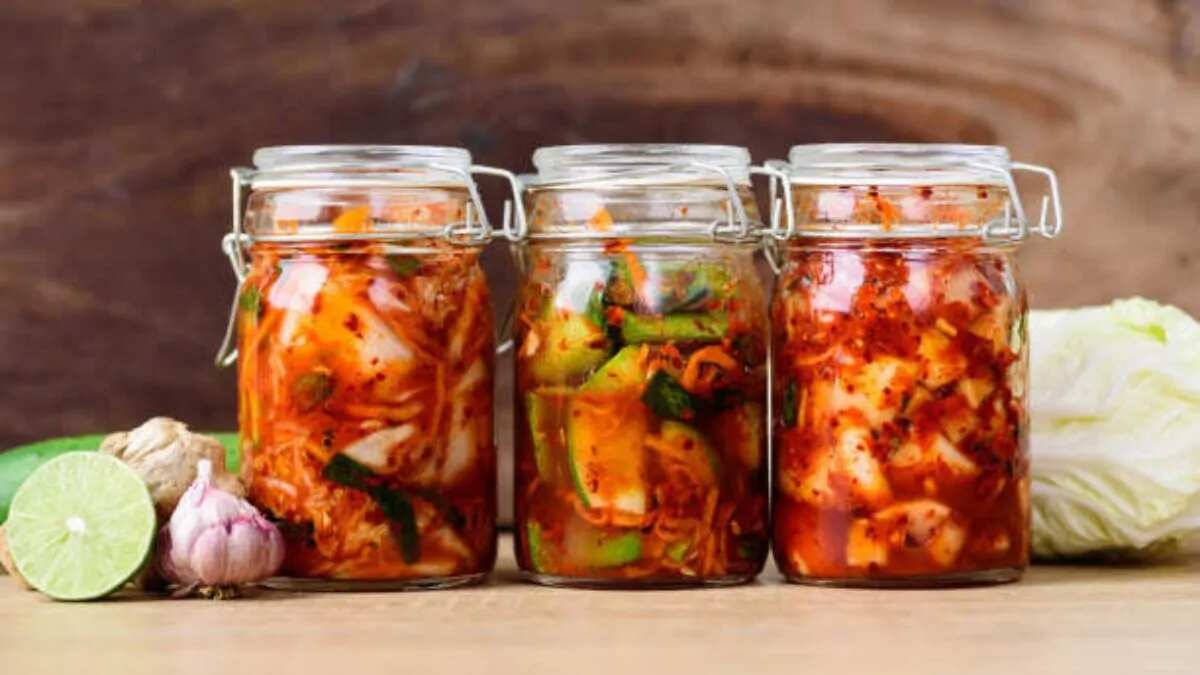
Fermented foods have been part of Korean life for centuries. Kimchi, which is usually made with napa cabbage, radish, chilli flakes, garlic, ginger and salted seafood, is the most widely known. Beyond kimchi, there are other staples such as doenjang, a fermented soybean paste, and gochujang, a fermented chilli paste with a rich savoury depth. These ferments were developed in Korea as a way to preserve food for long winters and they became central to the cuisine over generations.
In India, fermentation also has a long history. Dosa batter, idli batter, dhokla, kanji and pickles are prepared with techniques that rely on natural fermentation. This makes the Indian palate naturally open to the flavours of Korean ferments. Indian cooking is already layered with spices, sour elements and umami-rich preparations, so the introduction of Korean ferments adds another dimension that does not feel out of place.
Korean ferments are not only flavour enhancers but also sources of beneficial bacteria, which support digestion and overall gut health. Their popularity is growing in India as more home cooks and chefs experiment with combining them in daily meals. The following ideas explore how to bring Korean ferments into Indian kitchens in ways that feel natural, respectful to both cuisines, and practical for everyday cooking.
1. Kimchi Fried Rice With Indian Spices
Kimchi fried rice is one of the simplest Korean dishes to prepare, and it adapts well to Indian kitchens where leftover rice is common. Cooked rice can be stir-fried with chopped kimchi, garlic and onions. A small amount of garam masala or cumin powder adds an Indian touch. For protein, paneer or scrambled egg can be included. The sourness of kimchi balances the richness of ghee or oil, and the result is a dish that feels familiar yet distinctive. This dish can be served with cucumber raita to bring freshness to the plate.
2. Paneer Tikka With Gochujang Marinade
Paneer tikka is often prepared with yoghurt and a blend of Indian spices. By adding a spoon of gochujang to the marinade, the tikka develops a deeper savoury taste and a subtle sweetness. Gochujang is naturally fermented and carries layers of flavour that blend well with garlic, ginger and chilli powder. When grilled or roasted, the paneer takes on a smoky finish that works beautifully with the Korean paste. This preparation shows how a traditional Indian appetiser can be uplifted with a small addition.
3. Doenjang Dal With Spinach
Doenjang, the Korean soybean paste, has similarities to miso and can enrich the flavour of lentils. A basic dal prepared with toor dal or moong dal can be finished with a teaspoon of doenjang stirred in at the end of cooking. The salty umami taste enhances the earthiness of lentils without overwhelming the dish. Adding spinach or other leafy greens gives extra body and nutrition. This version of dal can be eaten with rice or phulka and offers a gentle way to bring Korean depth to an Indian staple.
4. Kimchi Paratha With Sesame Oil
Stuffed parathas are a favourite in many Indian homes. Kimchi can be chopped finely and used as a filling, either on its own or mixed with mashed potatoes. The natural sourness of the ferment balances the richness of wheat dough. Cooking the paratha with sesame oil instead of ghee highlights the Korean element. This dish brings together the Indian love of flatbreads and the Korean tradition of fermented vegetables in a way that feels both inventive and grounded.
5. Gochujang Curry With Seasonal Vegetables
Many Indian curries use tomato as a base for tanginess and colour. Replacing part of the tomato paste with gochujang creates a curry that is bold and complex. Seasonal vegetables such as cauliflower, beans or pumpkin can be simmered in the sauce. Gochujang provides heat, sweetness and umami that blend with Indian spices such as coriander and turmeric. The curry pairs well with steamed rice and makes an excellent main dish when something different is desired without departing from Indian cooking methods.
6. Soy Sauce Tempered Upma
Soy sauce has been part of Asian kitchens for centuries, and Korean soy sauce has a distinct flavour profile compared with Chinese or Japanese varieties. In South Indian upma, which is made with roasted semolina, soy sauce can be added to the tempering along with curry leaves, mustard seeds and chillies. This gives the dish a slightly deeper taste without replacing its identity. A handful of vegetables such as peas and carrots make it wholesome, and the use of soy sauce shows how a Korean pantry item can settle naturally into an Indian breakfast.