Kajari Teej is a treasured festival that is celebrated across parts of North and Central India. Falling on August 31 this year, the festival incorporates fasting and worship with regional traditions, Kajari folk songs and traditional dishes. The festival is devoted to Goddess Parvati and Lord Shiva, and married women on this day traditionally keep the fast to ensure marital bliss, prosperity and the longevity of their husbands, whereas unmarried women also observe the fast and pray for a suitable life partner.
Food is an essential part of the festivities. The food traditions for the festival have been formed around local ingredients, fasting rules, religious offerings, and what families traditionally prepare for the day. Many sweets and savoury preparations differ from region to region, making Kajari Teej's food practices distinctly varied rather than centred around one fixed festive menu.
Sattu Flour: The Food Closely Linked To Kajari Teej
Among the foods closely associated with Kajari Teej, sattu holds a distinct place, especially in North Indian culture. Kajari Teej is also known as Sattu Teej or Badi Teej in some places, and the name itself showcases the importance of sattu to the celebration. Married women traditionally keep a fast for their husbands' longevity, and in some rituals, sattu is consumed to break the fast at night after moon sighting.
The preparation has also been linked to a gifting ceremony. Sattu may be prepared from roasted chana dal, wheat or rice, then mixed with powdered sugar, ghee, dry fruits and spices. Depending on the region and household custom, the mixture is shaped to make laddoos. Chana sattu is one type, whereas wheat- and rice-based preparations are also used in the similar methods. This makes sattu more than just a festive sweet; it is part of the ritual food and family-gifting traditions linked with the festival.
(Image credit: Freepik)
Ghevar: Rajasthan's Monsoon-Festival Sweet
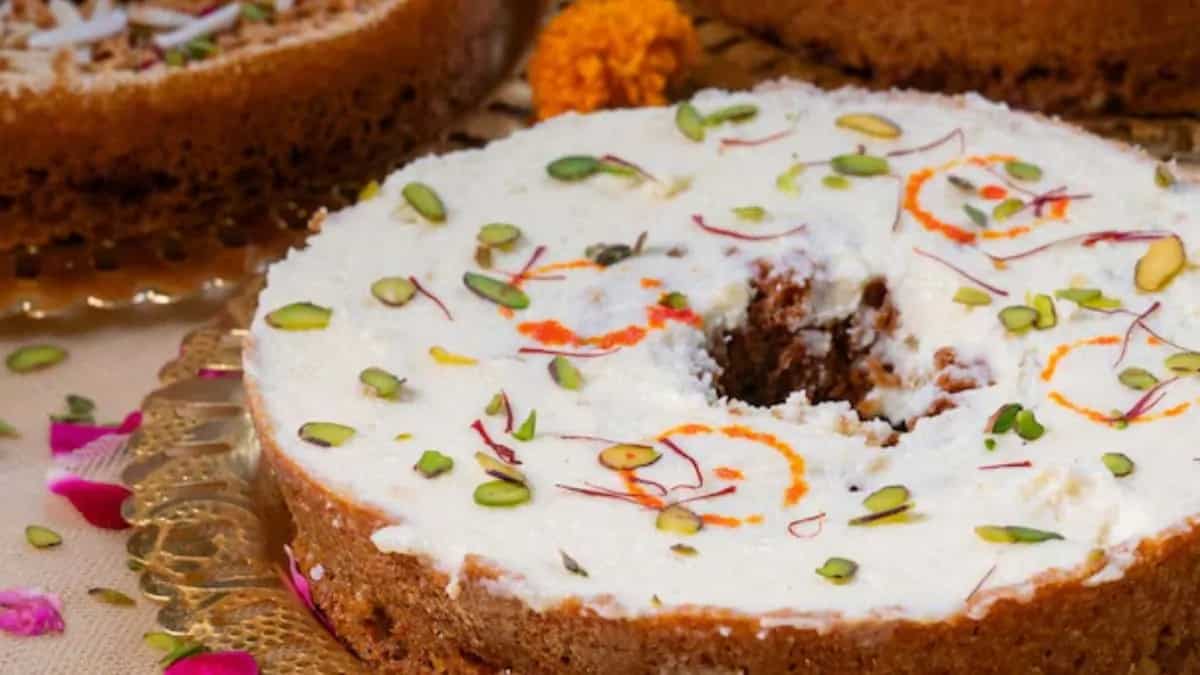
Ghevar represents Rajasthan's broader Teej culture. The lacy, honeycomb-like sweet is prepared by pouring a thin batter into hot ghee or oil, making it form a porous disc. Once ready, it is dipped in sugar syrup and topped with rabri, chopped nuts or a few saffron strands.
Ghevar is available in many forms, from the plain version to ones that are more decadent, using rabri or mawa. Another tradition that links to the festival is that in Rajasthan, sending a box of ghevar to a married daughter's home is also part of the festive exchange, often called sindhara, symbolising the sweetness of married life ahead.
Kheer: Why Kheer Finds A Place In Kajari Teej Traditions
Kheer holds significance in Kajari Teej because it can serve as both a festive sweet and a bhog that is offered during the puja. In rituals where it is made to offer Goddess Parvati, the kheer is first presented and then distributed as prasad, giving the dish a role beyond just the festive meal.
Its link with auspicious occasions also comes from its longstanding presence in Indian ceremonies, where milk-based sweets are commonly made as offerings. For Kajari Teej, kheer illustrates the link between the food that is made and shared after the ritual.
Gujiya And Homemade Mithai: The Festive Exchange
Gujiya can feature among the homemade sweets that are made around Kajari Teej. Its presence mirrors the wider North Indian tradition of making homemade sweets for festive and religious events. Depending on the household, gujiya may be accompanied by laddoos, malpua or other sweets.
The more important connection is the practice of offering homemade sweets during worship. In traditions where homemade mithai makes part of the bhog for Goddess Parvati. The exact preparation differs by region and family, but the tradition of preparing, offering and sharing food brings the household together around the festival.
(Image credit: Freepik)
What Changes On The Kajari Teej Plate Across Regions
Kajari Teej food traditions differ because the rules for keeping the vrat are not similar everywhere. In some traditions, women observe a nirjala fast, while others allow certain foods and drinks during the day. A nirjala vrat means keeping the fast without food or water for the specified period, while other states of fasting may allow water, milk, fruits, nuts or specific vrat-friendly preparations.
Some devotees may eat foods like sabudana, potatoes, fruits or dairy-based dishes, whereas others follow more stringent rules and eat only after completing the day's rituals. The food made for the puja can also vary from what is eaten when the fast is concluded.