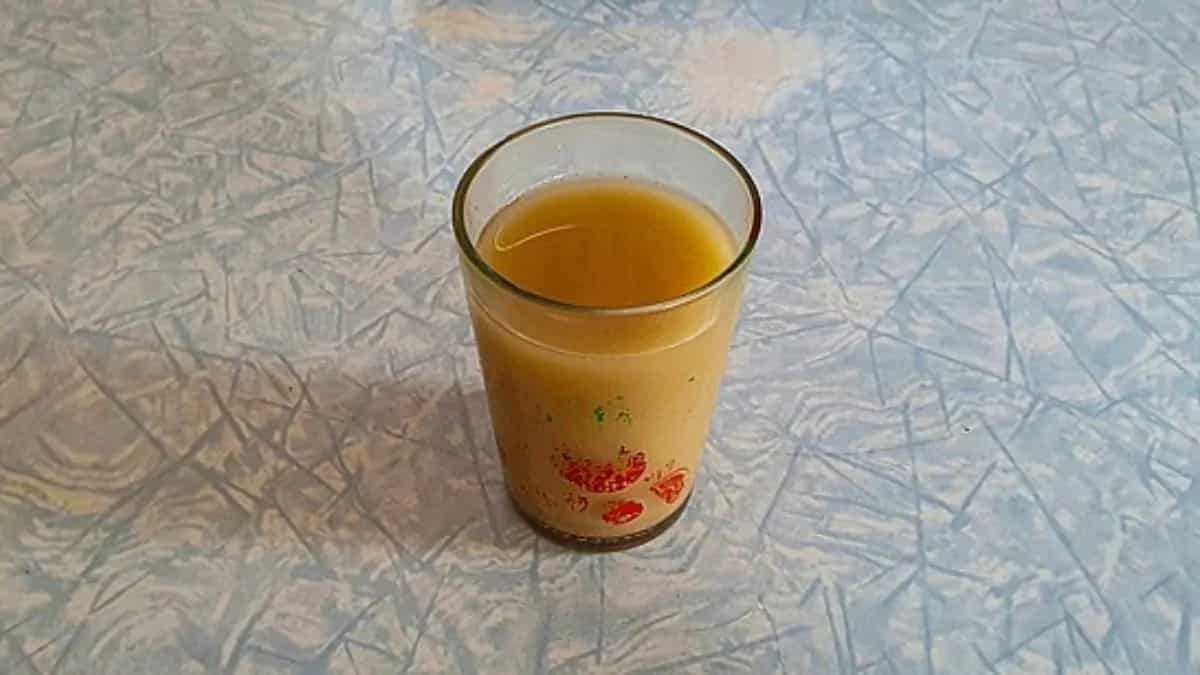
Before dawn breaks across Indonesia, a community of women are already at work. They pound fresh turmeric and ginger, strain aromatic broths, and fill glass bottles with herbal tonics that have healed their communities for over 1,300 years. These are the jamu gendongs - Indonesia's female healers – and by sunrise, they're on the move.
Image Credit: Wikimedia Commons
In many ways Indian Ayurveda and Indonesian jamu are shaped on similar principles, in that they treat the body, mind, and soul as a whole and emphasise preventive, holistic wellbeing. They employ natural herbs and spices, such as ginger, turmeric, and galangal, to promote general balance and target particular health benefits. Both customs, which have been passed down through centuries, transform daily herbal practices into a way of life, fusing nature, wellness, and culture with each sip. Indonesia has even proposed it for the UNESCO Intangible Cultural Heritage List because it is such an essential component of Indonesian culture.
What Is Indonesian Jamu?
Jamu is a traditional herbal brew from Indonesia that prioritises prevention over treatment. It is intended to support the body, mind, and soul all at once and is made from natural ingredients including turmeric, ginger, and galangal. Jamu is prized as a comprehensive daily wellness practice and usually transported around the cities by the Jamu Gendongs, (gendong being the name for the baskets they wear on their backs).
The Jamu Gendong typically brew tonics tailored to specific ailments using locally available herbs and spices. The ratio of ingredients to one another is crucial to maximising flavours. The community of women prepares a variety of jamu drinks every day before sunrise, puts them into glass bottles, and then leaves for the day as the sun is just rising, and the roosters are beginning to crow. They travel for miles at a time, seemingly without stopping, carrying up to 12 glass bottles at once in a bamboo basket tied to their back with scarves.
Image Credit: Wikimedia Commons
How Jamu Became Indonesia’s Daily Ritual
While the Jamu Gendongs have become the flagbearers of this tradition, the beverage has a long and illustrious history, dating back more than 1,300 years to the Mataram Kingdom's eighth and tenth centuries. Healers brought it to the peasants after it was initially consumed in the royal court.
The recipes were then passed down orally among families. Jamu and herbal remedies were previously used to maintain health, according to archaeological studies of temples in Central Java from the ninth century. Archaeological excavations have also turned up pestles and mortars, which are used to make jamu and are from the Mataram Kingdom. An astounding 15,773 distinct jamu recipes were found throughout the archipelago, according to a 2012 assessment conducted by the Indonesian Ministry of Health.
Jamu And Modern Indonesia
The tonic, which can be harsh and peppery, can divide people. Much like Indian kids and Chywanprash, when they were made to eat it as children, many Indonesians rebelled against their parents, but, as adults, swear by the tonic. The consistent rise in Indonesian tourism is also contributing to the spread of jamu. From specialised cafes to hotels which provide genuine jamu workshops, jamu is becoming more and more popular among tourists. Jamu is increasingly showing up in locations where foreigners can actually access it, participate, and learn. As more individuals resorted to foods and beverages with health advantages during the epidemic, jamu saw a rebirth in Indonesia. These days, you can find jamu cafés all over the nation, though the Jamu Gendongs have also moved with the times.
More contemporary jamu gendongs have switched to motor scooters in recent decades to increase their mobility and range. Additionally, they have been outfitted with wooden crates to give them a cart-like appearance. Although each one has a unique approach, many use a combination of house calls, streetside pop-ups, or special market stalls to connect with their devoted clientele.
Image Credit: Wikimedia Commons
This is particularly true for Bali, Indonesia's most popular tourist destination, where coffee shop culture is flourishing. The ability of social media to spread the word around the world, on TikTok, #jamu has had over 200 million views. Young Indonesians are taking the information that has been passed down through the generations and expressing it in a fashion that is appropriate for their generation.
Indonesian cuisine has been influenced by various cultures throughout history, including Chinese, Indian, Arab, and European traders and colonisers. In more recent years, Indonesian cuisine has gained global recognition, with Indonesian chefs and restaurants showcasing the diversity and complexity of the country's cuisine. But when it comes to staying true to one’s traditional roots and the healing powers of food, nothing displays that truth better than Indonesia’s Jamu, a tonic built on simple ingredients and ancient wisdom.