Food waste does not always start with something that is left unfinished on the plate. It can happen much before, during the process of making another food. Some ingredients are discarded at a very early stage, even though they still have flavour, texture and some useful nutrients. In many food traditions, these overlooked leftovers have found their way into breads, fermented foods, baked products, beverages and other preparations.
International Day of Awareness of Food Loss and Waste is celebrated on September 29 every year, drawing attention towards the environmental, economic and social effects of food that is lost or wasted. The day also promotes the better use of resources across the food system. Looking beyond just the familiar kitchen waste, several food traditions and modern food producers have discovered ways to turn these processing leftovers into entirely new ingredients that serve different purposes.
Okara: The Soybean Residue Turned Into Tempe Gembus And Oncom
When soybeans are soaked, ground and strained to make the soy milk or tofu, the soft pulp that is left behind is called okara. It is not simply just the dry fibre; it still has protein, oil and a significant amount of dietary fibre. In Indonesia, okara has long been utilised to make tempe gembus, a fermented food in which the leftover is bound together and then left to ferment. It is also used in some forms of oncom, which is also a traditional Indonesian fermented food made from leftover soybean pulp.
Okara can also be dried into flour and can also be added to breads, noodles and cookies. A study published in the journal Food Science and Nutrition has found that the use of okara flour can greatly increase the fibre and protein content of baked foods. Its mild, a bit nutty taste makes it easier to blend into savoury and also sweet preparations.
(Credit: Wikimedia Commons)
Whey: The Liquid Left By Cheesemaking Becomes Ricotta
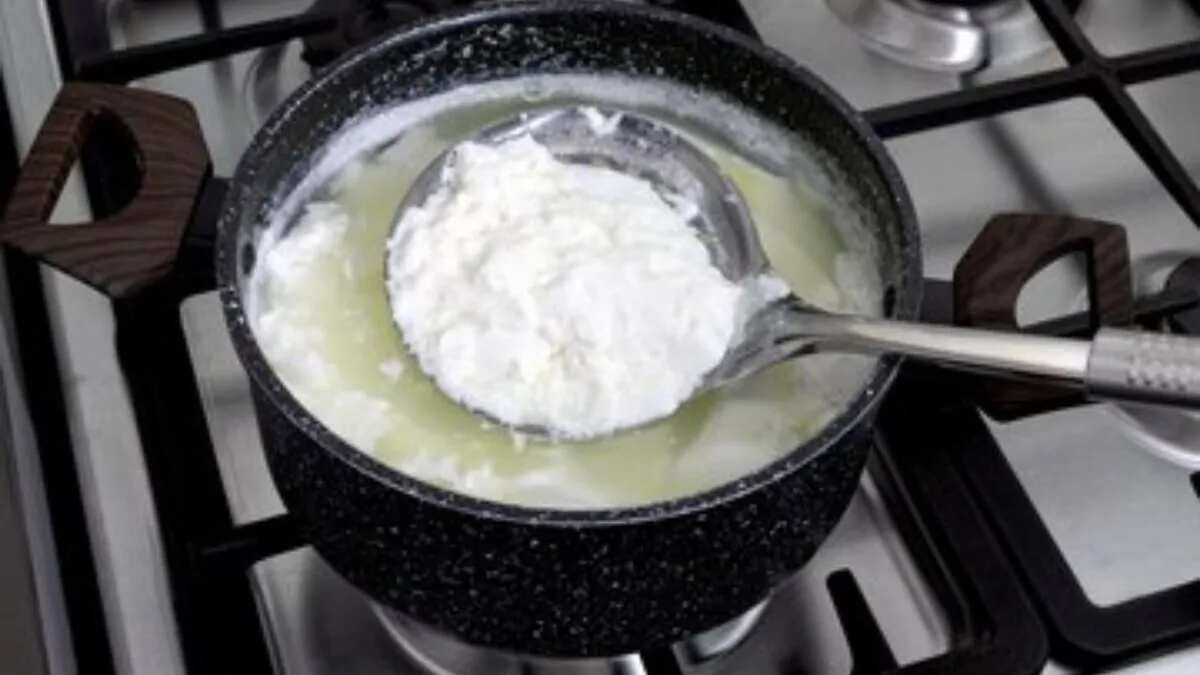
Whey is the thin liquid that gets separated from milk when it is solidified during cheesemaking. Rather than discarding it, cheesemakers often heat the whey again to regain its remaining milk proteins and make ricotta out of it. The name itself connects to this second heating cycle. Fresh ricotta has a soft, moist texture with a mild, milky taste, making it useful to use in everything from pasta and cheesecakes to toast as well as in desserts.
Whey also has lactose and proteins, which is why it is used in protein drinks, sports beverages, smoothies and also in whey-based fermented drinks. In baking, it can substitute part of the water or milk in bread, rolls, crackers and also cakes, adding moisture and milk solids while helping in the browning. Using whey to make another dairy food is quite interesting, as the second product comes straight from a liquid that would otherwise be considered a cheesemaking by-product.
Grape Pomace: Winemaking's Skins And Seeds Become Flour
After grapes are pressed to make wine, the skins, seeds and the remaining grape material make the grape pomace. Instead of treating this solid residue as waste, it can be dried and milled into a flour-like ingredient to use in biscuits, breads, cereal bars and other foods. Grape pomace is naturally rich in dietary fibre, including compounds concentrated in the grape skin and seeds.
The flour has a dark colour and a fruity, a bit tart taste as it contains grape skins and seeds. It is usually mixed with regular flour rather than being used as a complete flour substitute. It can also be mixed into granola, yoghurt, smoothies and some snack bars. This way, it also offers a useful way to use the fibre-rich skin and seed portions of grapes that remain after the juice has been extracted.
Coconut Residue: The Pulp Left After Making Coconut Milk
Making fresh coconut milk involves grinding the coconut flesh with water and then squeezing it to extract the creamy liquid out of it. What is left behind is fibrous coconut remnants that can be dried and then ground into coconut flour. Unlike regular wheat flour, it is naturally rich in dietary fibre and soaks up a lot of liquid, so recipes need adjustments when it is used in baking. It adds a light coconut taste to the product it is added to and works perfectly well in cookies, cakes, breads and other baked foods.
After drying, the residue can also be toasted and then used as a topping or mixed into granola, laddoos, energy bars or coconut-based desserts. As it soaks up more liquid than wheat flour, it is best added slowly to batters and doughs rather than replaced in equal quantities. This gives the leftover coconut a second use while maintaining its mild flavour and fibrous texture.
(Credit: Freepik)
Spent Coffee Grounds: Coffee Waste Finds A Place In Food
Spent coffee grounds are what remain after the coffee has been brewed. Although most of it is scrapped, they still have dietary fibre and proteins. They can be dried, finely milled and then added in small amounts to cookies, breads, crackers and snacking products.
The grounds have a strong roasted coffee taste and a darker colour, so they work especially well in chocolate or coffee-flavoured recipes. They have a coarse texture, so they cannot be simply used as a replacement for regular flour in large quantities. Using spent grounds this way turns a familiar café waste stream into a functional ingredient while adding extra flavour and also fibre to everyday foods.