The Parsi New Year in India is a day of joy, renewal, and welcoming new beginnings. And what better way to do that than with some authentic food? Parsi cuisine is known for its balance of sweet-and-sour flavours, comforting meat-and-lentil combinations, and a unique blend of Parsi and Gujarati tastes. Now, while dhansak, sali boti, akuri, and bun maska get a lot of love and attention, there is a fifth item that completes the set of iconic Parsi foods. It’s Patra ni Macchi, a pomfret coated in green coconut chutney, wrapped in a banana leaf, and steamed.
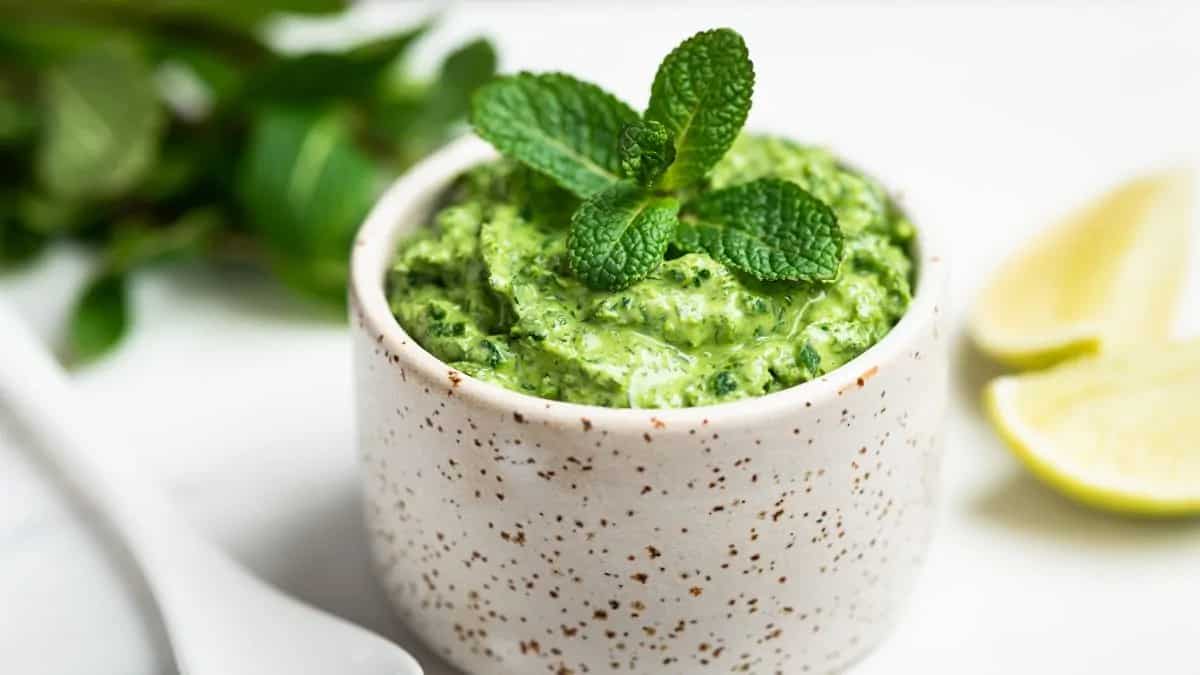
The flavour, of course, comes from the chutney, which is distinct from the North Indian mint-coriander chutneys, despite sharing some of the ingredients. So, bring out your trusty, efficient USHA Mixer-Grinder, get the ingredient list ready, and make a batch of the spicy, tangy, and sweet chutney. Read ahead for the chutney recipe and steps on using it to make Patra ni Macchi.
How To Make Parsi-Style Green Chutney
Unlike the North Indian style green chutney, which relies heavily on fresh coriander and mint leaves, the Parsi green chutney includes fresh or desiccated coconut, resulting in a milder, sweeter, and nuttier profile.
Here’s what you need to make this at home:
Ingredient List
- 2 cups fresh coriander leaves and stems
- 1 cup fresh mint leaves
- 1 cup freshly grated or desiccated coconut
- 3 to 4 green chillies (adjust to taste)
- 2 to 3 cloves garlic (optional)
- ½-inch piece of ginger
- 1 teaspoon sugar
- 1½ tablespoons lemon or lime juice
- Salt to taste
- A splash of cold water or ice water (as needed for grinding)
Recipe:
- Thoroughly wash the coriander and mint leaves, then roughly chop them so they blend easily in the small chutney jar of your mixer grinder.
- Place the chopped coriander, mint, grated/desiccated coconut, green chillies, garlic, ginger, and cumin seeds into the mixer jar. Next, add the sugar, salt, and lemon juice.
- Add just a teaspoon or two of water. Pulse the mixer grinder, then run it on a medium speed until you get a thick, smooth, and vibrant green paste. Ideally, Parsi green chutney should be thick enough to stand nicely on a plate without running. Taste test to make adjustments, if any.
- Keep it aside for your Patri ni Macchi recipe.
How To Make Patra Ni Macchi For Parsi New Year
Now that you have your chutney ready, you can make Patra Ni Macchi at home. You will need about 500 grams of fish fillets or pomfret slices and banana leaves cut into squares. Start by washing the fish. Now, rub a little salt and lemon juice on it. Also, pass the banana leaf over a warm flame for a few seconds so it becomes soft and easy to fold. Put a large spoon of green paste in the centre of the leaf, place the fish on top, and cover the fish with more green paste. Fold the banana leaf tightly into a neat square packet and tie it with a cotton string, if needed. Place the packets in a steamer and steam on medium heat for 12 to 15 minutes until the fish is tender. Pair it with steamed rice or vegetable dhansak and Parsi-style rotis for an elaborate meal.
Other Uses Of Parsi-Style Green Chutney
The chutney is a multi-purpose ingredient, going beyond just a flavouring agent for steamed fish. You can also use it as a marinade for chicken, prawns, fish, or paneer before grilling or pan-frying, serve it as a condiment with fritters, or apply it as a spread in sandwiches. It is even used to make Ravaiya (baby eggplants or okra stuffed with chutney and cooked).
If you’ve got extra, store it in the refrigerator for 3 to 4 days. Keep the chutney in a clean, dry, airtight glass or plastic container and always check before using. Because traditional Parsi green chutney often includes fresh coconut, it spoils faster than plain coriander-mint chutneys and should not be kept past a few days.