Sawan, one of the holiest months on the Hindu calendar, is a time when many people fast for religious purposes. But fasting during this time does not have to be extremely limiting or time-consuming. With a little planning, the trusted and powerful USHA mixer grinder, and carefully selected ingredients, you can create homemade powders and pastes. Since the grinder comes with three jars–1.2L wet jar, 700 ml dry jar and 400 ml chutney Jar–you have the option to create a wide variety of homemade bases. These powders and pastes serve two purposes – they ensure control over quality and quantity, since you make them at home. And they cut down the prep and cook time for Sawan meals during the month.
Though different households observe different rules on what’s permissible during Sawan fast, wheat, regular rice, dal, besan, onion and garlic are generally excluded, while samak, singhara, kuttu, makhana, peanuts, dairy, fruits and sendha namak are commonly used. With this list in mind, here are the various Sawan-friendly pastes and powders you can make at home in a mixer grinder.
Peanut Powder
Primarily made from roasted powders (optionally mixed with sendha namak and roasted cumin powder), the peanut powder adds flavour and a hint of nuttiness to common Sawan dishes like sabudana khichdi, vrat aloo, peanut-stuffed paratha/cheela, and more. A dry mixer-grinder jar is ideal for this because it quickly pulverises roasted peanuts into a coarse or fine powder without requiring a separate food processor. However, be careful and pulse rather than continuously grind, or the peanuts can release their oil and turn into peanut butter.
Coconut Paste
As the name suggests, coconut paste is made from fresh or desiccated coconut, mixed with green chilli, ginger, a little water and sendha namak. This is one item where a mixer grinder with powerful blades works better, creating the smooth, creamy consistency needed for coconut paste much more efficiently than chopping or pounding by hand. When making it, add water gradually so it doesn't become too thin. You can use the paste as an ingredient in coconut-based aloo or vegetable curry. If you want to turn it into a chutney, loosen it with a little water and finish with a tadka of ghee or groundnut oil, cumin, and curry leaves.
Samak Rice Flour
Samak rice flour can be used to make crispy, thin dosas. Serve them with coconut chutney for a vrat-friendly meal. To make this, dry-grind the raw grains in small batches until powdery, then sieve. A mixer grinder is the most practical home option because samak is hard enough in its raw form to require proper dry grinding.
Cardamom Powder
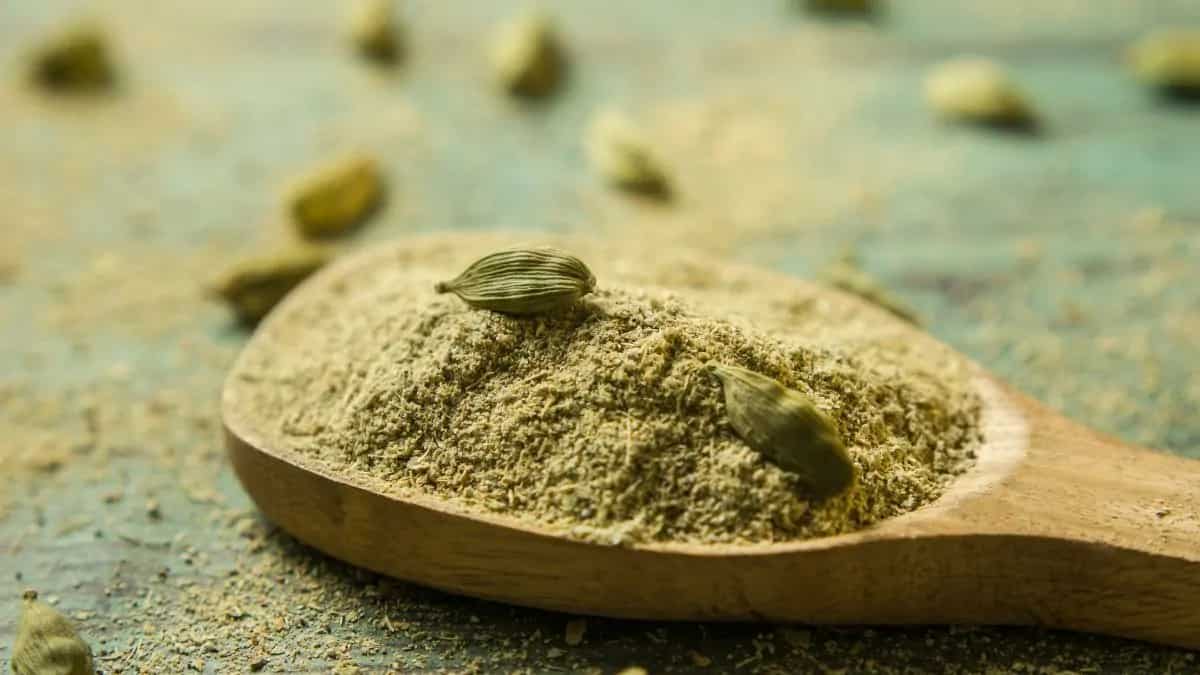
This is the one that will have your kitchen and your dishes smelling heavenly. The simplest item on the list; all it requires are cardamom pods. Just add the pods to a dry jar. It pulverises the seeds quickly into a fine powder. This is particularly useful when you want cardamom distributed evenly through a dessert, like a makhana kheer, rather than biting into whole seeds. Fun tip: add a pinch to your evening tea for aromatic depth!
Makhana Flour
Roasted makhanas, seasoned lightly with sendha namak, have to be one of the most popular vrat foods. This takes things a step further. One of the easiest homemade vrat powders for sawan, makhana flour uses crisp but cooled-down roasted makhana. A mixer grinder gives you a fine, even flour in seconds. It works well in cheelas, kheer, and also as a thickener for vrat gravies.
Green Chutney
Green chutney enjoys a place of unparalleled importance in Indian cuisine, pairing beautifully with sides, snacks, cheelas, and everything else under the sun. It’s also usually made with regular table salt, and some recipes ask for garlic. However, a vrat-friendly version is easy enough to make at home. Simply swap the regular salt for sendha namak and stick to permitted ingredients like coriander, green chilli, ginger, lemon juice, etc. Much like in the case of coconut chutney, the mixer grinder is actually better than other methods because you want the coriander and chilli broken down into a cohesive, spoonable chutney. Add only a little water to prevent it from becoming watery.
No Onion-Garlic Gravy Base
If you thought Sawan vrat only meant dry dishes and fried sides, think again. The classic gravy that defines many Indian dishes is traditionally made from onion and garlic, both of which are not allowed during Sawan. But cashews or makhana provide the creaminess and body, while other ingredients, like ginger, black pepper, chillies, and more, bring in the flavour. The first step for this gravy base is to lightly sauté the ingredients with tomatoes. The cooked ingredients are blended with a little water in the mixer grinder. You can refrigerate the gravy in an airtight glass container for 3–4 days and use it for vrat paneer curry, aloo curry, makhana curry, etc.
Sabudana Powder
Sabudana becomes a superstar when fasting, regularly used in vadas, khichdi, and more. While it works excellently in its original form, sabudana powder is a faster alternative. You see, sabudana needs to be soaked for a few hours (preferably overnight) before use. However, with a mixer grinder at home, you can grind the sabudana completely dry. The grinder turns the hard tapioca pearls into a fine flour that can act as a binder in vrat preparations. It’s especially useful for dishes like the thalipeeth, vada, and cheela.