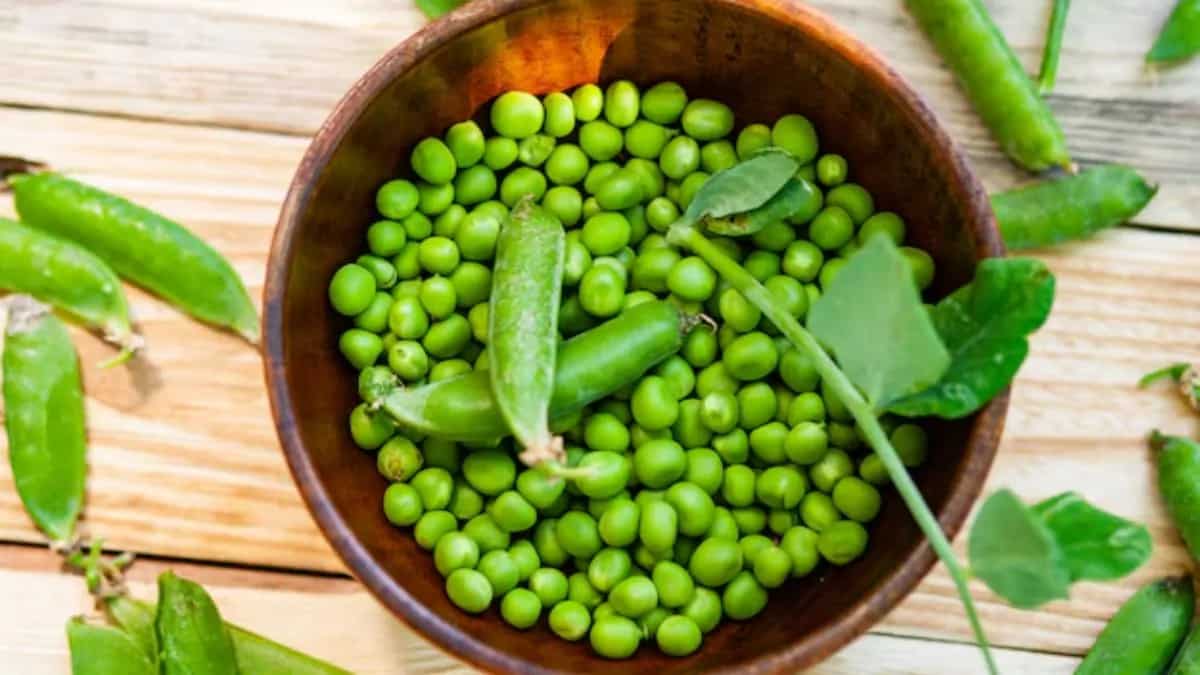
The season of peas is one of those short, joyful spans in the kitchen. The bright green pods are naturally sweet, and that freshness that no store-bought version can replicate. For a few weeks, peas taste soft, juicy, and lively. Then, as the season changes, they are gone, and replaced by frozen versions that, however, do the job but never fully match the flavour as compared to the fresh peas. That is why this is the best time to store peas in bulk for the year ahead. Preserving peas at home is not about hoarding them, but it is about maintaining their freshness. When you store them at home, you know what goes in.
Just clean, rich peas that are ready to use whenever you want them. Whether it’s a midweek curry, a comforting pulao, or having it just as a quick snack, stored peas can deliver the taste of the same peak season back to your plate, whenever you want it. With a few easy methods, you can enjoy that same sweetness all year round.
Blanch And Freeze For Everyday Cooking
Fresh peas are sweet only for a short time after they are harvested. Blanching them locks in their colour and texture, as well as maintains the natural sweetness before freezing them. Unlike the store-bought frozen peas, which are kept for months, home-frozen peas maintain their freshness and also need no preservatives.
How to store: Shell peas, blanch them in boiling water for about 2 to 3 minutes, then instantly transfer them to the cold water, drain them well, and freeze in an airtight zip-lock bag. Label it with the date so that you use it within a year.
(Image credit: Freepik)
Drying Peas For Traditional Cooking
Drying the peas is an old-school storage method that is applicable even today. Dried peas last for a longer time, take up less space, and are perfect to use in curries and winter-specific dishes. They are free from any market preservatives that are found in store-bought dried peas.
How to store: Sun-dry the peeled peas thoroughly until they turn hard. Store in an airtight box away from moisture. Just before you have to use it, soak it for about 1-2 hours. This method works extremely well for seasonal green peas that are harvested in bulk.
Storing Peeled Peas With Vacuum Sealing
Vacuum sealing removes the air completely, which is the biggest enemy of freshness. This method preserves the taste of peas close to the fresh ones and prevents freezer burn. It is much better than store-bought peas, which often lose their flavour due to repeated thawing.
How to store: Peel the peas, soak them in water, pat them dry thoroughly, batch them in small portions, and vacuum-seal before freezing. As there is no exposure to oxygen, peas remain firm, sweet, and maintain their green colour for months, making them perfect for people who use peas often.
(Image credit: Freepik)
Lightly Salted Freezer Storage
Adding a light salt coating before freezing the peas will help preserve their texture and reduce the chances of freezer odour absorption. This method keeps peas fresher-tasting than packaged store-bought frozen versions.
How to store: Peel the peas, toss them lightly with salt, spread them on a tray and freeze until they turn. Then transfer to an airtight container. It can be used directly from the freezer without thawing for sabzis, curries and pulao.
Making Pea Paste For Quick Meals
If the freezer space is limited, turn the peas into a paste that will save time and effort afterwards. It is perfect to use later in gravies and curries. Unlike the store-bought pastes, it is free from any added preservatives.
How to store: Grind the blanched peas to make a rough paste, portion them into ice-cube trays, freeze, then keep cubes in airtight or vacuum bags. Drop these cubes straight into the cooking whenever needed.
(Image credit: Freepik)