Regional cooking relies heavily on heritage spice blends that transform simple ingredients into extraordinary meals. Kala masala is a staple in many households, known for its dark colour and complex, earthy flavour profile. With Gatari Amavasya marking an important food occasion in Maharashtra, it is also a fitting time to revisit traditional recipes and pantry staples that bring depth to festive cooking. Unlike regular spice mixes, this specific blend gets its signature look from roasting whole spices in a small amount of oil until they are incredibly dark but not burnt. Achieving this balance takes a bit of practice, but the real secret lies in the grinding process. Tough ingredients like stone flower, dry coconut, and woody cinnamon bark need serious power to break down completely. Using a heavy duty Usha mixer grinder ensures these stubborn elements blend seamlessly into a fine powder without leaving behind gritty pieces. This allows the rich, roasted oils to bind everything together into a beautifully fragrant masala that lasts for months.
Gathering The Essential Ingredients
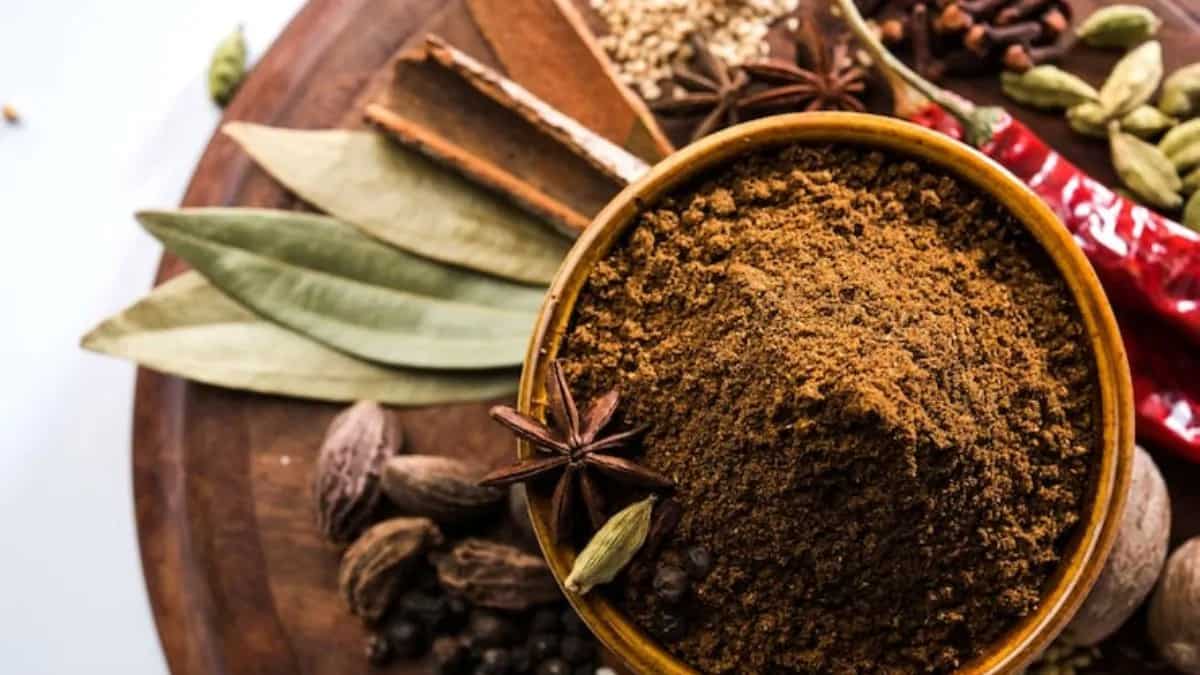
The foundation of a good kala masala relies on selecting high quality whole spices. You need a base of coriander seeds and cumin, backed up by darker elements like cloves, black peppercorns, and black cardamom. The truly unique flavours come from dagad phool, also known as stone flower, and dried coconut. These ingredients provide an earthy, slightly smoky taste that defines the blend. Gather your dried red chillies, sesame seeds, and a little poppy seed to round out the texture. Having everything measured and ready is crucial because the roasting process moves quickly once the pan is hot.
Image credit: Freepik
The Slow Oil Roasting Process
Roasting spices for this particular blend involves using a tiny drop of oil to help release the essential oils and darken the ingredients evenly. Heat a heavy iron skillet over a low flame and toast each spice individually. Start with the larger spices like coriander and cumin, adding just a smear of oil to the pan. Keep stirring constantly until they turn a deep brown colour. The dried coconut needs extra care, as it can catch fire or turn bitter if left unattended. Roast the coconut until it turns completely dark. The goal is to push the ingredients right to the edge of burning to develop that signature smoky aroma, perfect for hearty Gatari Amavasya preparations.
Image credit: Freepik
Cooling And Preparation
Never rush to grind hot spices. Transferring freshly roasted ingredients directly into your grinder jar creates steam, which leads to a clumpy and damp powder. Spread all your dark, roasted spices across a large metal tray and let them sit at room temperature until they are completely cool to the touch. This resting period allows the spices to crisp up slightly, making them much easier to crush. The dried chillies should feel brittle and snap easily when you bend them.
Image credit: Freepik
Grinding To A Flawless Texture
This is where a powerful motor becomes absolutely essential. Load your cooled spices into the stainless steel jar of your mixer grinder, working in batches if necessary to avoid overloading the blades. Start with short pulses to break down the hard cinnamon bark and black cardamom pods. Once the larger pieces shatter, run the machine on a steady high speed. The robust blades crush the oily coconut, tough stone flower, and tiny sesame seeds into a wonderfully smooth consistency. The final result is a rich, dark powder that adds incredible depth to stuffed vegetables, lentil stews, and hearty chicken curries this Gatari Amavasya.