Winter has a sly way of changing every cooked meal cold before you sit down to enjoy it. You serve hot dal, and within minutes, it’s already turned lukewarm. Rotis turn hard, rice loses its fluff, and gravies have that odd skin on top, leaving you irritated and going for a second round of microwave again. Reheating food is often a go-to option, but it can sometimes steal freshness, overcook vegetables, and dry out rotis, making dinner lose its charm, even when it was cooked just an hour ago. With a few simple, smart tricks, you can keep your food warm naturally, without changing its taste or consistency.
Warm bowls, insulated casseroles, hot-water methods, and smart coverings are some tricks that work like little comforters to keep your meal heated. These are not just hacks, but real-life solutions that keep the food tasting as if it were just made. Because warm food in winter is not only comforting, but it is the mood, the feeling, the overall experience.
Wrap Food In A Thick Cloth
Winter takes away the heat from food in minutes after it is cooked. Wrapping the bowl of sabzi or dal with a thick towel works like an instant insulator that traps warmth just like a cosy blanket. It slows down the loss of heat without changing taste or texture. This trick is perfect when the meal is prepared, but the family is still 'five minutes away.' The food remains warm, soft and enjoyable, exactly how it should be served, without having to move it to the microwave for another round.
(Image credit: Freepik)
Store Food In Insulated Steel Casseroles
If the rotis or pulao always turn cold before serving, you need to get an insulated casserole right away. These containers have double-layer walls that lock in heat naturally. Rotis remain fresh and soft, rice doesn't dry out, and curries are steaming hot. It is like a restaurant tiffin box; you open it anytime, and the fragrance is still warm and aromatic. It is perfect for people who cook early, pack the lunchbox, or for family members who eat at different times. The food requires zero reheating, zero dryness and zero fuss.
Use The ‘Hot Water Bath’ Method
This trick is surprisingly luxe. Simply place your food container inside a big bowl filled with hot water. The gentle heat covers the inner bowl, and food remains warm evenly - no soggy bottoms, no overheated batches. This works great for soups, dals, pastas or even gravies. It gives the food that just-cooked warmth without having to cook any further. A simple process, yet it feels like restaurant-style magic right in your kitchen.
(Image credit: Freepik)
Pre-Warm Your Serving Bowls
Cold plates and bowls immediately take away the heat from fresh food, particularly during the winter season. Pre-warming them with hot water for a minute can make a surprising difference. When you pour dal or sabzi, the warmth remains unchanged for longer, keeping the meal satisfying till the very last bite. It is such a small step that is very lesser known, but it feels like the kitchen has suddenly upgraded to a fine dining restaurant. This is particularly helpful for slow eaters or families who like long, cosy winter dinners.
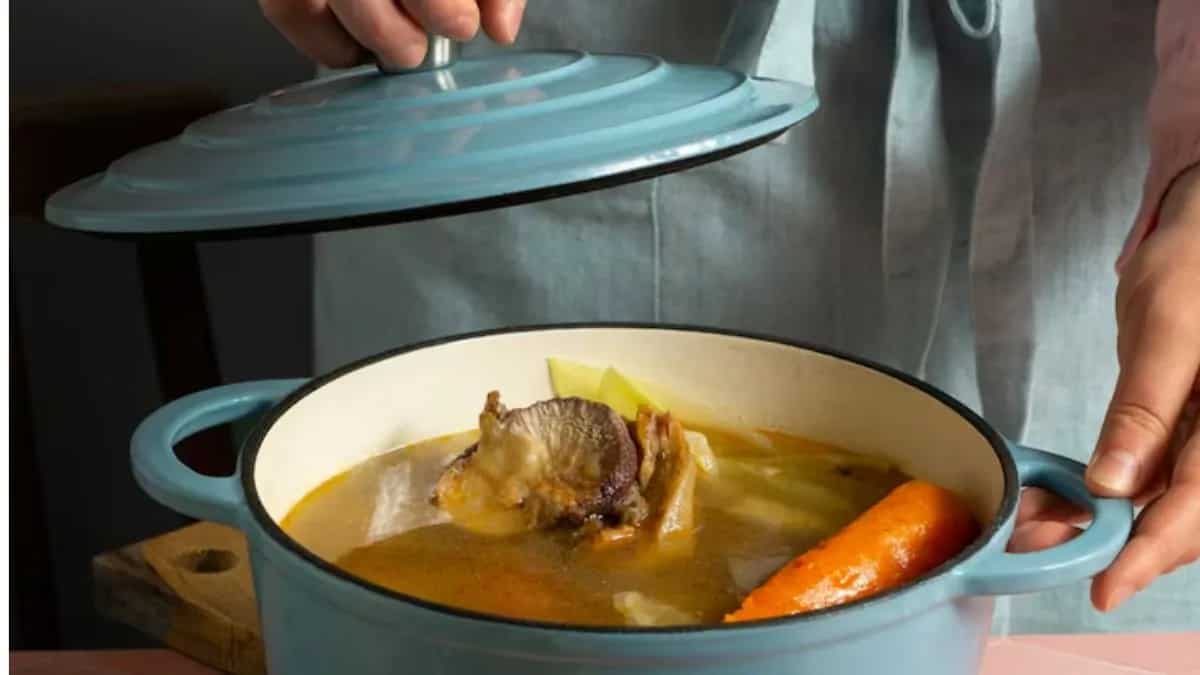
Keep Food Covered With Tight-Fitting Lids
Sometimes, the easiest habits are the most useful. Covering food with fitting lids traps the steam, the natural warmth that makes everything soft and moist. During winter, uncovered food loses its warmth fast and even dry skin forms on the top. But with a lid on, the pulao remains fluffy, the gravies remain smooth, and the rotis stay soft. It is a fuss-free option for people who like slow, cosy serving without having to reheat. This is like letting your food remain hot under its own little blanket.
(Image credit: Freepik)